
Advertisement


Sections
20 years of iMac: Apple CEO Tim Cook tweets about what made the iMac so important
Apple CEO, Tim Cook today tweeted reiterating how the iMac changed the way people looked at computers.

Whether you've watched Steve Jobs, or read any of his autobiographies, it’s evident that the iMac defined Apple long before the iPhone transformed the company’s fortunes.[caption id="attachment_4459107" align="alignleft" width="380"]![The Apple iMac G3]() The Apple iMac G3[/caption]Today, Apple is known for its iPhones more than its iMac. But on the 20th anniversary of the iMac, it’s important to remember why Apple has never given up on its iMac, despite making most of its profits from its iPhone, its second hero product after the iPod.Apple CEO Tim Cook today tweeted reiterating how the iMac changed the way people looked at computers.“20 years ago today, Steve introduced the world to iMac. It set Apple on a new course and forever changed the way people look at computers.”Accompanying it is a video showcasing the jelly-coloured G3 presented on stage by none other than Steve Jobs himself at an 'Apple Special Event' back in 1998.In the presentation, Steve Jobs went on to explain why the iMac existed, “…to get on the internet, simply and fast!”He also went on to explain the concept behind Apple's iconic "i" prefix. According to Jobs, ‘i’ to Apple stood for "internet, individual, instruct, inform, inspire." In other words, you can say that it could stand for any positive-sounding adjective you can think off, just as long as it starts with the letter 'i'.The other purpose for the iMac was also education. Jobs went on to explain its features and hardware before showcasing the iMac G3 for the first time ever. Indeed, what managed to wow the audience, wasn't the specifications, but the colourful new design.The approach to design too was very different from what most multimedia computers from other brands looked like at the time, with their boring off-white colour and mostly boxy appearance.[caption id="attachment_4459111" align="alignnone" width="1280"]
The Apple iMac G3[/caption]Today, Apple is known for its iPhones more than its iMac. But on the 20th anniversary of the iMac, it’s important to remember why Apple has never given up on its iMac, despite making most of its profits from its iPhone, its second hero product after the iPod.Apple CEO Tim Cook today tweeted reiterating how the iMac changed the way people looked at computers.“20 years ago today, Steve introduced the world to iMac. It set Apple on a new course and forever changed the way people look at computers.”Accompanying it is a video showcasing the jelly-coloured G3 presented on stage by none other than Steve Jobs himself at an 'Apple Special Event' back in 1998.In the presentation, Steve Jobs went on to explain why the iMac existed, “…to get on the internet, simply and fast!”He also went on to explain the concept behind Apple's iconic "i" prefix. According to Jobs, ‘i’ to Apple stood for "internet, individual, instruct, inform, inspire." In other words, you can say that it could stand for any positive-sounding adjective you can think off, just as long as it starts with the letter 'i'.The other purpose for the iMac was also education. Jobs went on to explain its features and hardware before showcasing the iMac G3 for the first time ever. Indeed, what managed to wow the audience, wasn't the specifications, but the colourful new design.The approach to design too was very different from what most multimedia computers from other brands looked like at the time, with their boring off-white colour and mostly boxy appearance.[caption id="attachment_4459111" align="alignnone" width="1280"]![The Apple iMac G3]() The Apple iMac G3[/caption]Jobs went on to explain how the whole system was translucent, came with dual speakers and how everything was integrated into one system, with just the keyboard and the mouse being the two other wired accessories (that were also colour-matched with the iMac).The "simplicity" came from the fact that this was a machine that you could pop out of a box, plug it in and be ready to go. Compared to the popular IBM and Windows machines at the time, this was extraordinarily simple.Twenty years ago, the iMac was a revelation. Today, twenty years later, it still remains as relevant and significant as the day it was launched.Hopefully, Apple never loses sight of the philosophy that launched its first iMac.
The Apple iMac G3[/caption]Jobs went on to explain how the whole system was translucent, came with dual speakers and how everything was integrated into one system, with just the keyboard and the mouse being the two other wired accessories (that were also colour-matched with the iMac).The "simplicity" came from the fact that this was a machine that you could pop out of a box, plug it in and be ready to go. Compared to the popular IBM and Windows machines at the time, this was extraordinarily simple.Twenty years ago, the iMac was a revelation. Today, twenty years later, it still remains as relevant and significant as the day it was launched.Hopefully, Apple never loses sight of the philosophy that launched its first iMac.
 The Apple iMac G3[/caption]Today, Apple is known for its iPhones more than its iMac. But on the 20th anniversary of the iMac, it’s important to remember why Apple has never given up on its iMac, despite making most of its profits from its iPhone, its second hero product after the iPod.Apple CEO Tim Cook today tweeted reiterating how the iMac changed the way people looked at computers.“20 years ago today, Steve introduced the world to iMac. It set Apple on a new course and forever changed the way people look at computers.”Accompanying it is a video showcasing the jelly-coloured G3 presented on stage by none other than Steve Jobs himself at an 'Apple Special Event' back in 1998.In the presentation, Steve Jobs went on to explain why the iMac existed, “…to get on the internet, simply and fast!”He also went on to explain the concept behind Apple's iconic "i" prefix. According to Jobs, ‘i’ to Apple stood for "internet, individual, instruct, inform, inspire." In other words, you can say that it could stand for any positive-sounding adjective you can think off, just as long as it starts with the letter 'i'.The other purpose for the iMac was also education. Jobs went on to explain its features and hardware before showcasing the iMac G3 for the first time ever. Indeed, what managed to wow the audience, wasn't the specifications, but the colourful new design.The approach to design too was very different from what most multimedia computers from other brands looked like at the time, with their boring off-white colour and mostly boxy appearance.[caption id="attachment_4459111" align="alignnone" width="1280"]
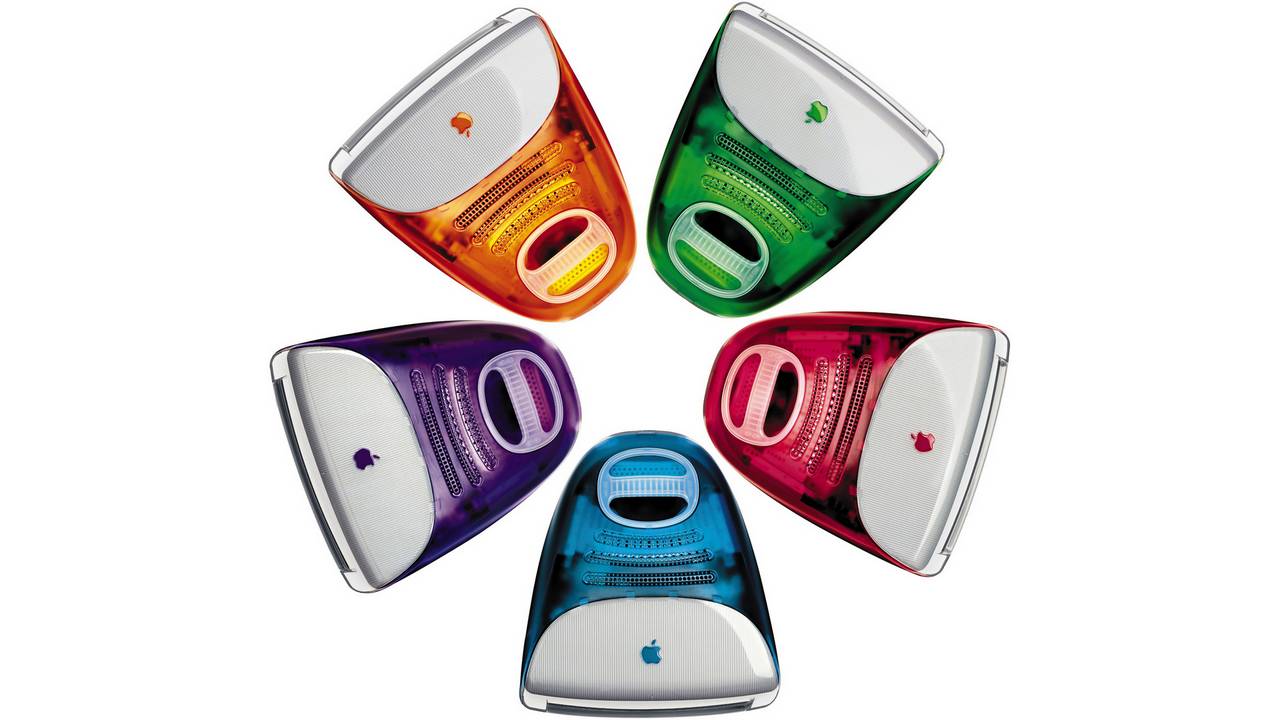 The Apple iMac G3[/caption]Jobs went on to explain how the whole system was translucent, came with dual speakers and how everything was integrated into one system, with just the keyboard and the mouse being the two other wired accessories (that were also colour-matched with the iMac).The "simplicity" came from the fact that this was a machine that you could pop out of a box, plug it in and be ready to go. Compared to the popular IBM and Windows machines at the time, this was extraordinarily simple.Twenty years ago, the iMac was a revelation. Today, twenty years later, it still remains as relevant and significant as the day it was launched.Hopefully, Apple never loses sight of the philosophy that launched its first iMac.
First Published:May 07, 2018, 15:54:22 IST
Advertisement
Advertisement

Why AI notetakers are raising serious privacy and security concerns
AI notetakers promise effortless meeting summaries, but experts warn they could expose confidential conversations, corporate secrets and personal voiceprints. As businesses increasingly adopt AI-powered meeting assistants, questions over data storage, privacy, consent and legal risks are becoming impossible to ignore
5 min read
China's low-cost AI models are changing the global AI race. Here's why Silicon Valley is worried
As Chinese firms continue to improve performance while keeping prices low, the AI race is no longer just about building the smartest model—it is increasingly becoming a battle over who can deliver the best value
2 min read
China's Kimi K3 challenges US AI leaders with frontier-level performance at lower cost
Chinese artificial intelligence startup Moonshot AI has unveiled its latest open-weight AI model, Kimi K3, with early results suggesting it could compete with some of the world's most advanced AI systems developed by leading US companies
2 min read
How did Instagram run ads promoting child abuse in India?
India has issued a notice to Meta after an investigation alleged that Instagram displayed paid advertisements promoting child sexual abuse material. MeitY ordered Meta to remove such Instagram ads and explain within seven days how they were approved
8 min read
Why has India halted WhatsApp’s username feature before launch?
India has halted WhatsApp’s planned username feature, citing concerns about cybercrime, impersonation, and law enforcement challenges. As Meta races to address security concerns, here’s why MeitY has paused the rollout, what the feature does, and how it could influence privacy and online safety in India
3 min read
Advertisement
Advertisement