


Last day of coronavirus lockdown in India: What the country looked like over the past 70 days
After 70 days under lockdown, India is set to open up with the Centre making provisions for relaxing restrictions, with a three-phase plan.

[caption id="attachment_8439051" align="alignnone" width="940"]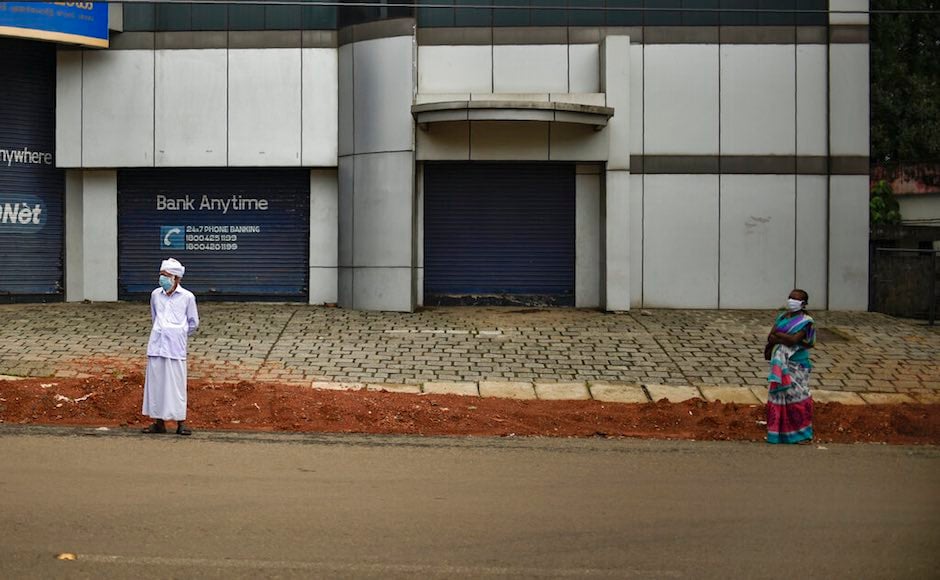 On 24 March, Prime Minister Narendra Modi ordered a nationwide lockdown for 21 days beginning 25 March, limiting movement of the entire 1.3 billion population of India as a preventive measure against the COVID-19 outbreak. AP[/caption][caption id="attachment_8439061" align="alignnone" width="940"]
 On 25 March, the first day of the lockdown, nearly all services and factories were suspended. Police were instructed to make arrests across the country for violating norms of lockdown such as venturing out for no emergency, opening businesses, and home quarantine violations.[/caption][caption id="attachment_8439091" align="alignnone" width="940"]
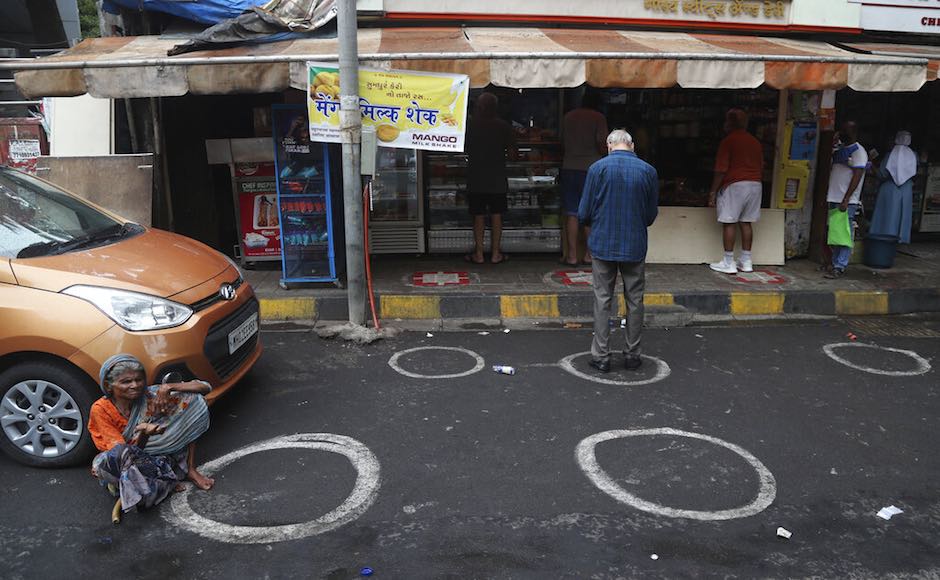 On 14 April, Narendra Modi extended the nationwide lockdown till 3 May, with conditional relaxation for the areas where the spread had been contained by 20 April. Lockdown areas were classified as 'red zone', indicating the presence of infection hotspots, 'orange zone' indicating some infection, and 'green zone' with no infections. AP[/caption][caption id="attachment_8439121" align="alignnone" width="940"]
 On 1 May, the MHA further extended the lockdown period to two weeks beyond 4 May, with some further relaxations. Movement was permitted in green zones with buses limited to 50% capacity. Orange zones would allow only private and hired vehicles but no public transportation. The red zones would remain under lockdown. AP[/caption][caption id="attachment_8439131" align="alignnone" width="940"]
 On 17 May, the National Disaster Management Authority (NDMA) and the MHA extended the lockdown for a period for two weeks beyond 18 May, with additional relaxations. Unlike the previous extensions, states were given a larger say in the demarcation of green, orange, and red zones and the implementation roadmap. Red zones were further divided into containment and buffer zones. AP[/caption][caption id="attachment_8439141" align="alignnone" width="940"]
 The MHA issued fresh guidelines for the month of June, stating that the phases of reopening would "have an economic focus". This first phase of reopening is termed as "Unlock 1" and permits shopping malls, religious places, hotels, and restaurants to reopen from 8 June. Large gatherings are still banned, but there would be no restrictions on interstate travel. AP[/caption][caption id="attachment_8439171" align="alignnone" width="940"]
 Migrant workers were worst hit by the lockdown. Millions of migrant workers had to deal with the loss of income, food shortages. Thousands of them then began walking back home, with no means of transport due to the lockdown In response, the Central and states took various measures to help them and later arranged transport for them. AP[/caption]

Sensex tanks 931 points, investors lose Rs 9.1 lakh crore
Why India’s Akash missile system has generated interest among other nations
Army, NDRF combine forces to rescue 20,000 still stranded in Tamil Nadu floods
PM Modi to launch 511 rural skill development centres in Maharashtra today
Artist Sonika Agarwal's exhibition explores the unity of science and divinity, light and dark