


This Holi, skip the rush: Explore the hidden Mewar around Udaipur
When Udaipur feels overrun, the real magic of Mewar begins just beyond its city limits

It is the season of Holi, and apart from the Mathura-Vrindavan belt, one place that truly comes alive during the festival of colours is the lake city of Udaipur. The city has made it to the news in recent times, and not just on account of being the destination of the Rashmika Mandanna-Vijay Deverakonda wedding.
In the last few months, one has also heard mutterings of discontent from residents, voicing their unhappiness at their city being almost overrun by tourists at times. Given the strain on infrastructure, visitors can also be advised to spread into the countryside around, which is filled with interesting nuggets to explore. Here is a set:
 More from Opinion
Ahar: Formerly called ‘Aghatpura’, this little town is much older than Udaipur. Ahar was the old capital of Mewar’s Guhil rulers between the 10th and 12th centuries. Located on a trade route heading to the coast, this was a flourishing place. In fact, excavations here show habitation as far back as 2500 BCE. A museum captures this past, its collection encompassing everything from terracotta remains of nearly two millennia ago to sculpted icons of the mediaeval era.
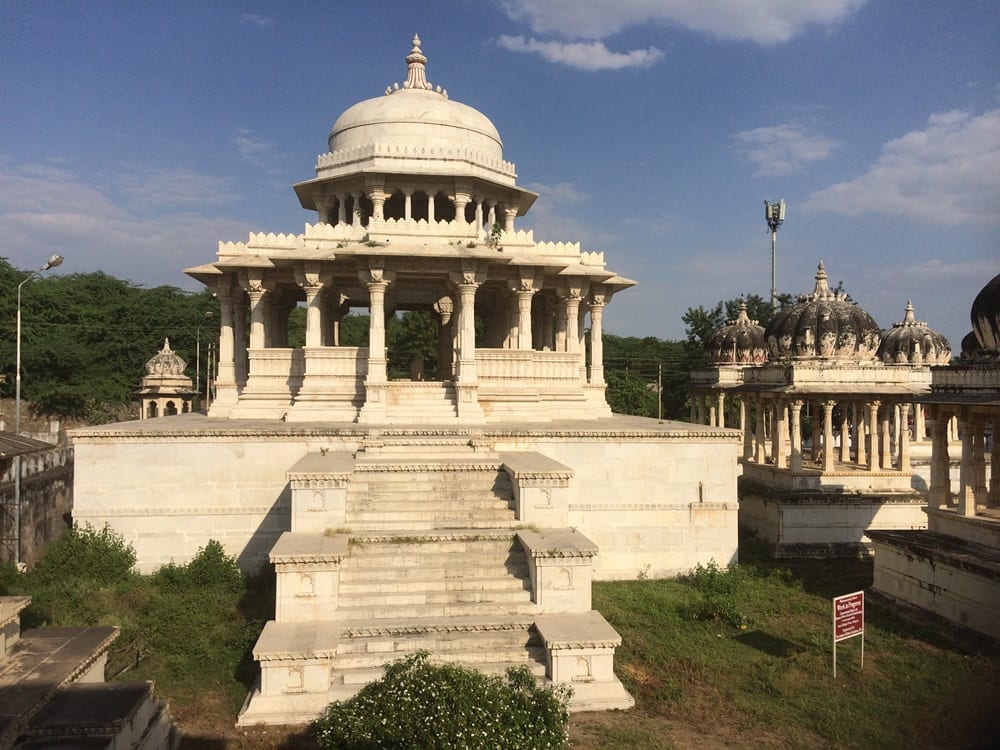
Ahar’s highlight, though, are the cenotaphs of Mewar’s rulers. Resembling small temples, these are a group of striking buildings, several containing a Chaumukhi Shiva Linga. Sadly, the place also witnessed several instances of Sati. It was here that Arvind Singh ji Mewar was cremated in 2025, indicating the significance of the place even today. While at Ahar, drop in at the Meera Temple here, whose precincts include a baoli.
Amrakhji: A 12th-century CE temple is still in worship here, complete with a Chaumukhi Shiva Linga that is incredibly lifelike. There are two shrines here, both of which have seen restoration, especially at the shikhara level. There is also a temple tank which too remains full and has aquatic life within, ranging from turtles to a water snake.
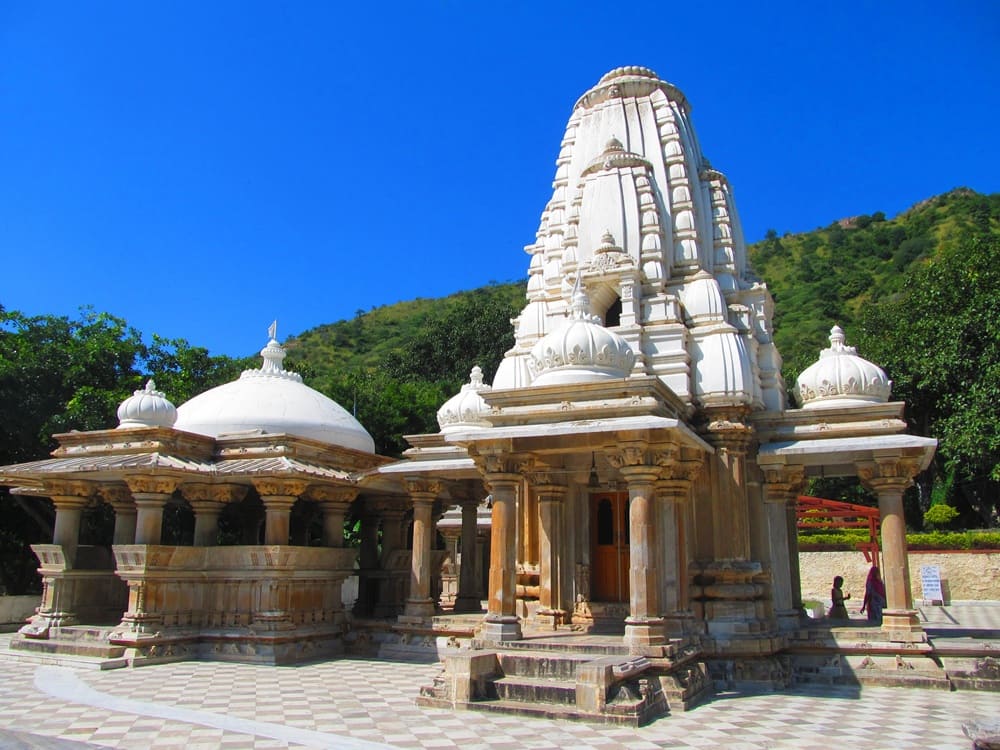
Nagda: In the 7th century, this tiny place became the first capital of the state of Mewar, under the Guhils. They then shifted it to Ahar in 948 CE before returning to Nagda in the early 12th century. The result of that return was a place embellished with fine temples, most of which were devastated by forces of the Delhi Sultanate in the 13th century. What remains today is still visually striking, in the form of a temple complex.
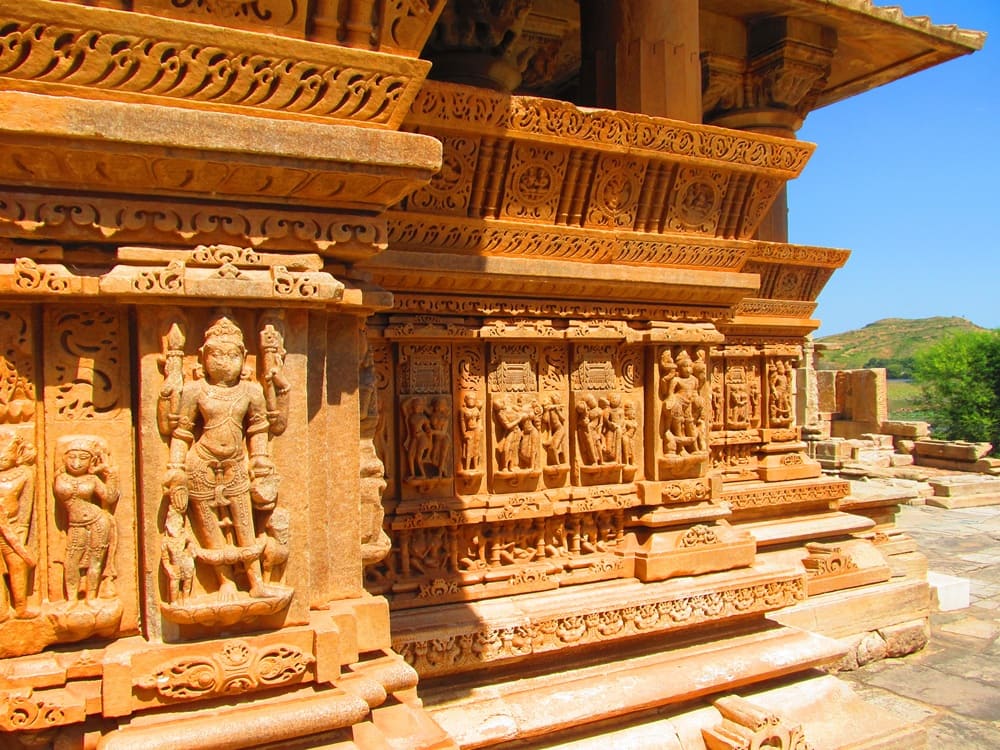
Popularly – and incorrectly – named ‘Saas Bahu’ merely because the two largest temples stand next to each other and vary in size, these are Vaishnava shrines originally named ‘Sahasrabahu’. Around the two main shrines, both in a state of imperfection, are smaller shrines and a Torana giving glimpses of a much larger temple complex than what is visible now. But despite their imperfection, the shrines are covered both outside and within with remarkable sculpted iconography. One can only stare and marvel at them.
Eklingji: A much bigger temple complex, comprising 108 shrines, stands at sacred Eklingji, where the main temple was established by the legendary Bappa Rawal in the 8th century. The white marble and sandstone shrines that stand today have faced repeated assaults and destruction, but embodying the spirit of Mewar’s warriors, they too have risen from the ashes each time. The Chaumukhi Shiva within is black in colour and is visually arresting. The shrine is held in such reverence that the ruler of Mewar is considered the Dewan of Eklingji.
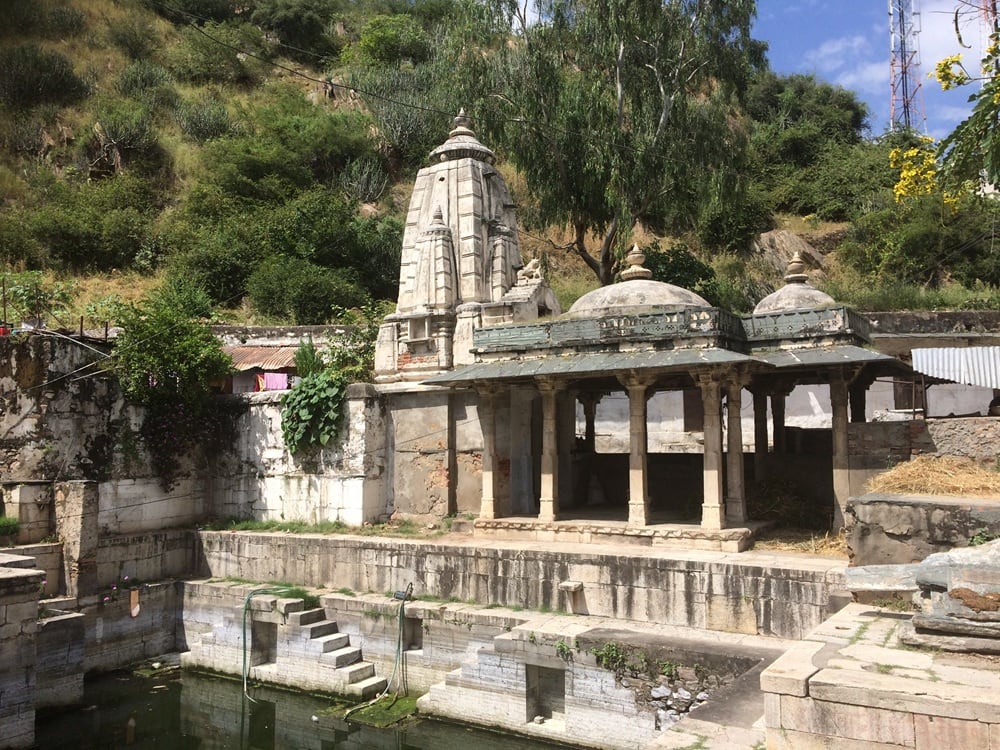
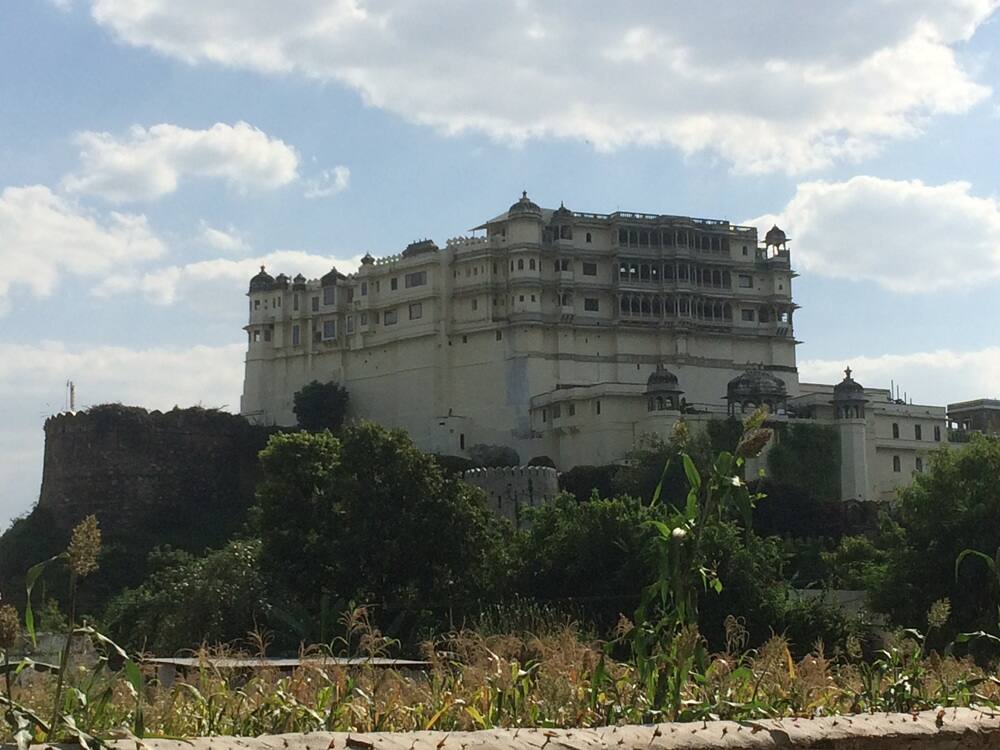
Delwara: Once known as ‘Devkul Patan Nagri’, Delwara was once a centre of learning and of the Jain faith. It is said that there were hundreds of Jain temples here once, but all that is left of those shrines now are ruins. Some Jain shrines that exist have been painstakingly restored and even rebuilt. The standout heritage structure, Devigarh Fort-Palace, is now a heritage hotel for those with a taste for luxury stays. The town has a women’s self-empowerment group, Sadhna Workshop, that prepares high-quality clothing. The town also has an artisanal tradition of painting that endures.
Kumbhalgarh: Home to the ‘Mr Universe’ of India’s forts, Kumbhalgarh’s bastion is one of the ‘Hill Forts of Rajasthan’ with Unesco World Heritage status. Its serpentine walls, second in length only to the Great Wall of China, encompass the hills around in a protective embrace and contain an impressive array of palaces, pavilions, stepped tanks and, above all, temples.
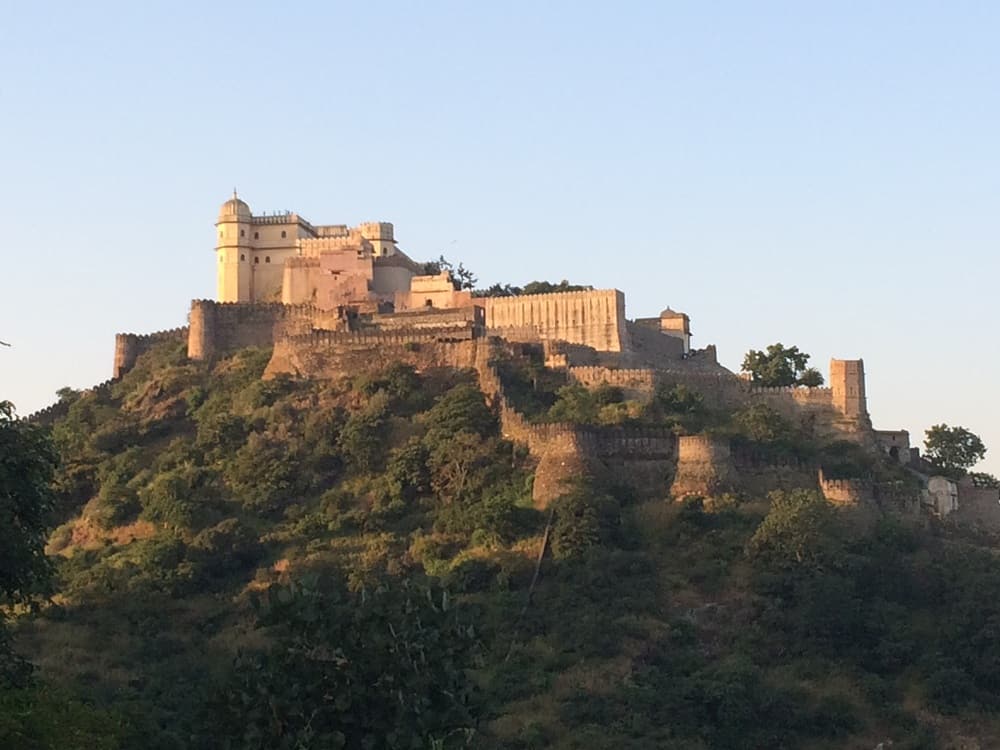
Its highest point, aptly named Badal Mahal, seems to point a finger to the sky and affords incredible views. The temples depict varying styles, almost as if the rulers had given artisans free rein to experiment and compete in making the finest shrines they could imagine. For those with a taste for the outdoors, Kumbhalgarh also has a wildlife sanctuary and opportunities to get well off the beaten path.
Ranakpur: The finest Jain temple iconography of the region is arguably in the Chaturmukha Dharana Vihara here. In simpler terms, this is Ranakpur’s Jain Temple. Dedicated to the Tirthankara Rishabhnatha, this adheres to Shvetambara beliefs of the Jain faith. It was built in the 15th century CE, with a wealthy Jain merchant being the principal patron.
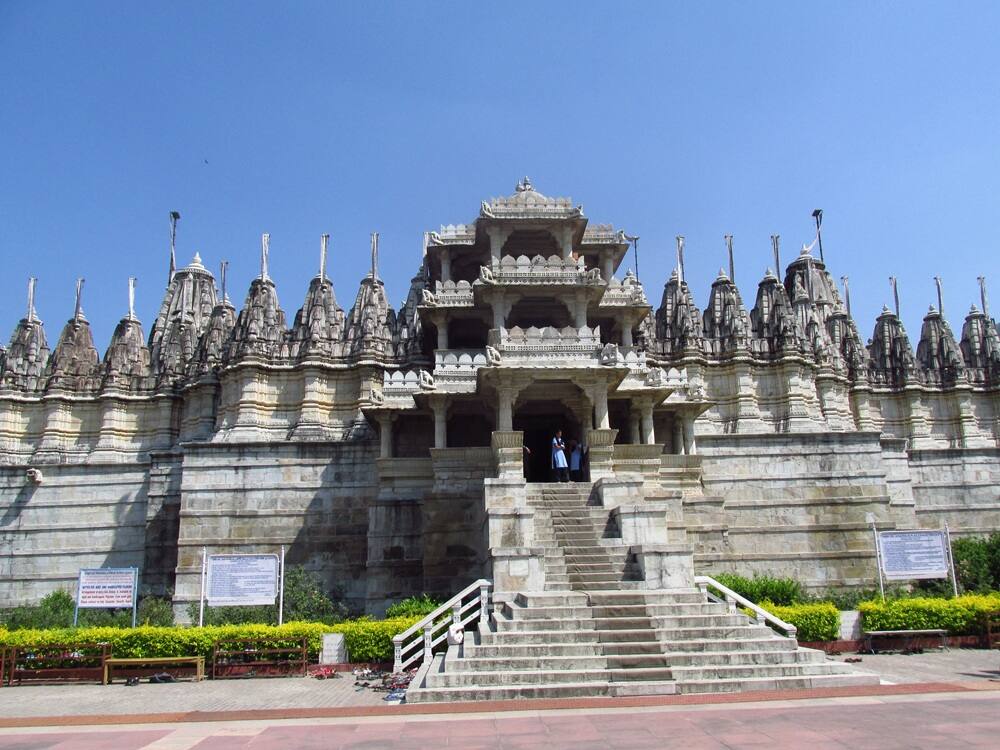
Considered one of the holiest Jain shrines, the temple at Ranakpur has 1,444 pillars standing across 29 hallways, and the most amazing part is that no two pillars look the same. One pillar is incomplete, and legend has it that whenever it is completed, it shows a break again by the next morning. The detailing on the walls and ceiling brings Jain stories and mythology alive.
The story goes that construction of this gigantic temple, which stands with a forest as its backdrop, took five decades. Walking through the shrine and taking in the size and iconography, a visitor can well believe it took that much time. The temple also has a famed idol of Parshvanatha carved out of a single marble slab, depicting 1008 snake heads. The temple complex has other shrines too, dedicated to Amba Mata, Surya and Parshvanatha. When a visitor exits the complex, there is invariably a prayer on his lips and humility in his heart, a stark contrast to the crowds of Udaipur.
That list should serve as a good starting point for this region. The really hidden trail starts south of Udaipur towards little-visited Dungarpur. And from there into the north Gujarat region, which has another set of hidden gems. But that’s a story for another day. As of now, go, explore and discover before the crowds catch up at Nagda, Amrakhji and Ahar.
(The author is a heritage explorer with a penchant for seeking obscure sites. A brand consultant by profession, he tweets @HiddenHeritage. Views expressed in the above piece are personal and solely those of the author. They do not necessarily reflect Firstpost’s views.)

The Russia-Ukraine war: Why peace remains so elusive
Head-on | Why President Trump is targeting India
When Manila and Tokyo draw a line, Beijing draws a red line
Bangladesh gets a new envoy to reset its India ties
Escalation trap to an exit strategy: How can the Iran war end?