
Advertisement


Sections
Last Mashaqwallahs of Mumbai
In conversation with one of Mumbai's mashaqwallahs, practitioners of the ancient — but near extinct — profession of carrying and supplying water

In the scorching March heat that makes the middling Mumbai winter seem like a distant memory, Mohammed Aslam stands beside his 'patra' — a portable water tanker — waiting for his next order. Aslam is a 'mashaqwallah', which translates into water-bearer or carrier.![AslamSmall]() Aslam belongs to the Bhishti tribe; the community that's historically associated with the profession of supplying water. The water is stored in a goatskin bag, known as 'mashaq' — that's where those who practice the trade get their name from.Being a mashaqwallah was once considered a respectable profession. Generations from within the same family would ply the trade, the responsibility passing down from parent to child and so on.Aslam, like others in his community, followed his forefathers’ footsteps in becoming a water-carrier.[imgcenter]
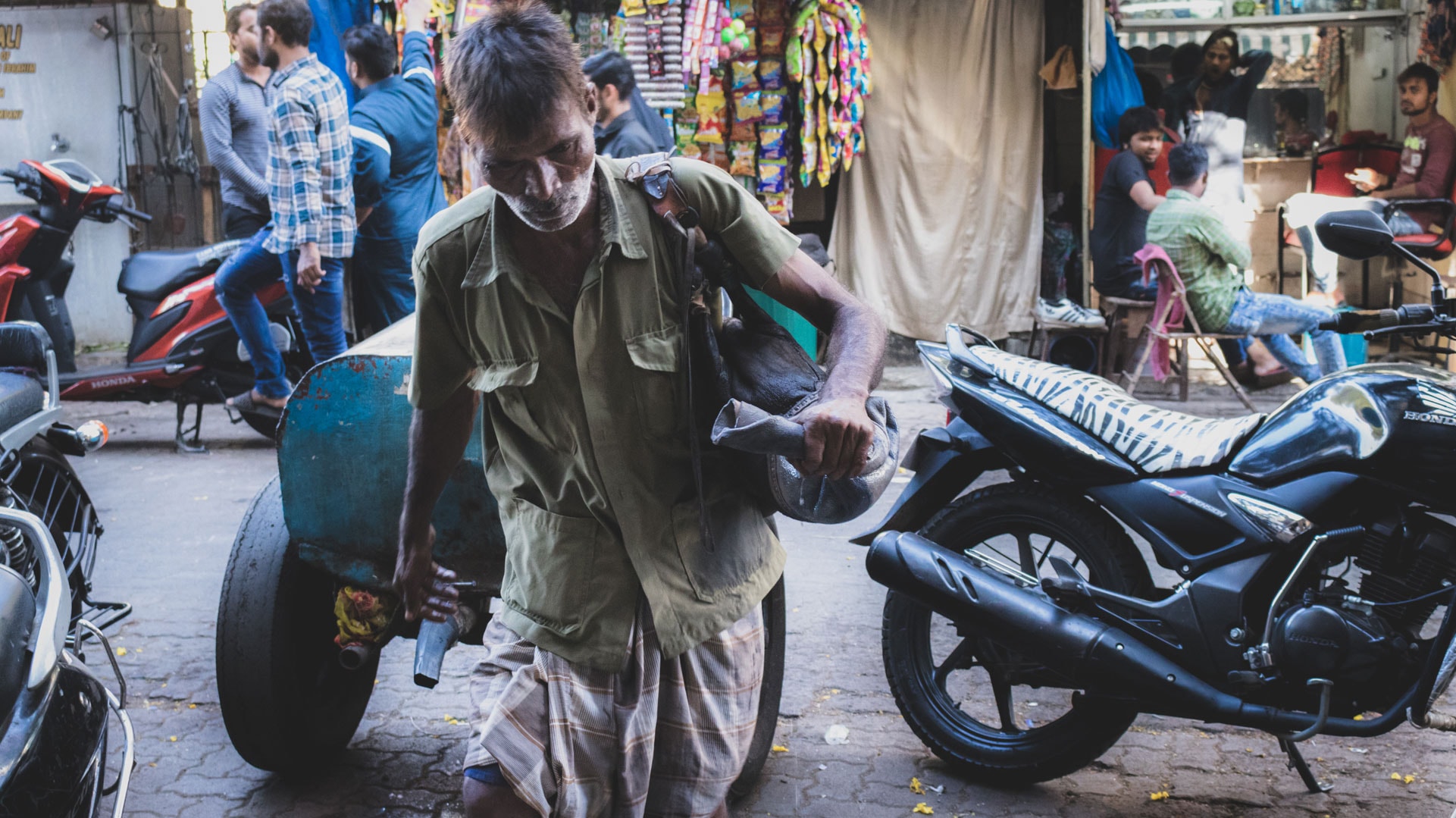
Aslam belongs to the Bhishti tribe; the community that's historically associated with the profession of supplying water. The water is stored in a goatskin bag, known as 'mashaq' — that's where those who practice the trade get their name from.Being a mashaqwallah was once considered a respectable profession. Generations from within the same family would ply the trade, the responsibility passing down from parent to child and so on.Aslam, like others in his community, followed his forefathers’ footsteps in becoming a water-carrier.[imgcenter]![Aslam3]() [/imgcenter]The morning that we meet him is a busy one — as most days in Mumbai are. Aslam is stationed outside the Don Taki police station in South Mumbai with his patra. His day starts early, at 5 am. He begins by filling his patra at CP Tank every morning, then tows it to Kumbharwada, the neighbourhood he supplies water in.[imgcenter]
[/imgcenter]The morning that we meet him is a busy one — as most days in Mumbai are. Aslam is stationed outside the Don Taki police station in South Mumbai with his patra. His day starts early, at 5 am. He begins by filling his patra at CP Tank every morning, then tows it to Kumbharwada, the neighbourhood he supplies water in.[imgcenter]![Aslam9]() [/imgcenter]Each mashaqwallah covers an area of nearly a square kilometre. In Kumbharwada, there are three of them supplying water.[imgcenter]
[/imgcenter]Each mashaqwallah covers an area of nearly a square kilometre. In Kumbharwada, there are three of them supplying water.[imgcenter]![Aslam4]() [/imgcenter]Aslam’s phone rings: it’s a client.[imgcenter]
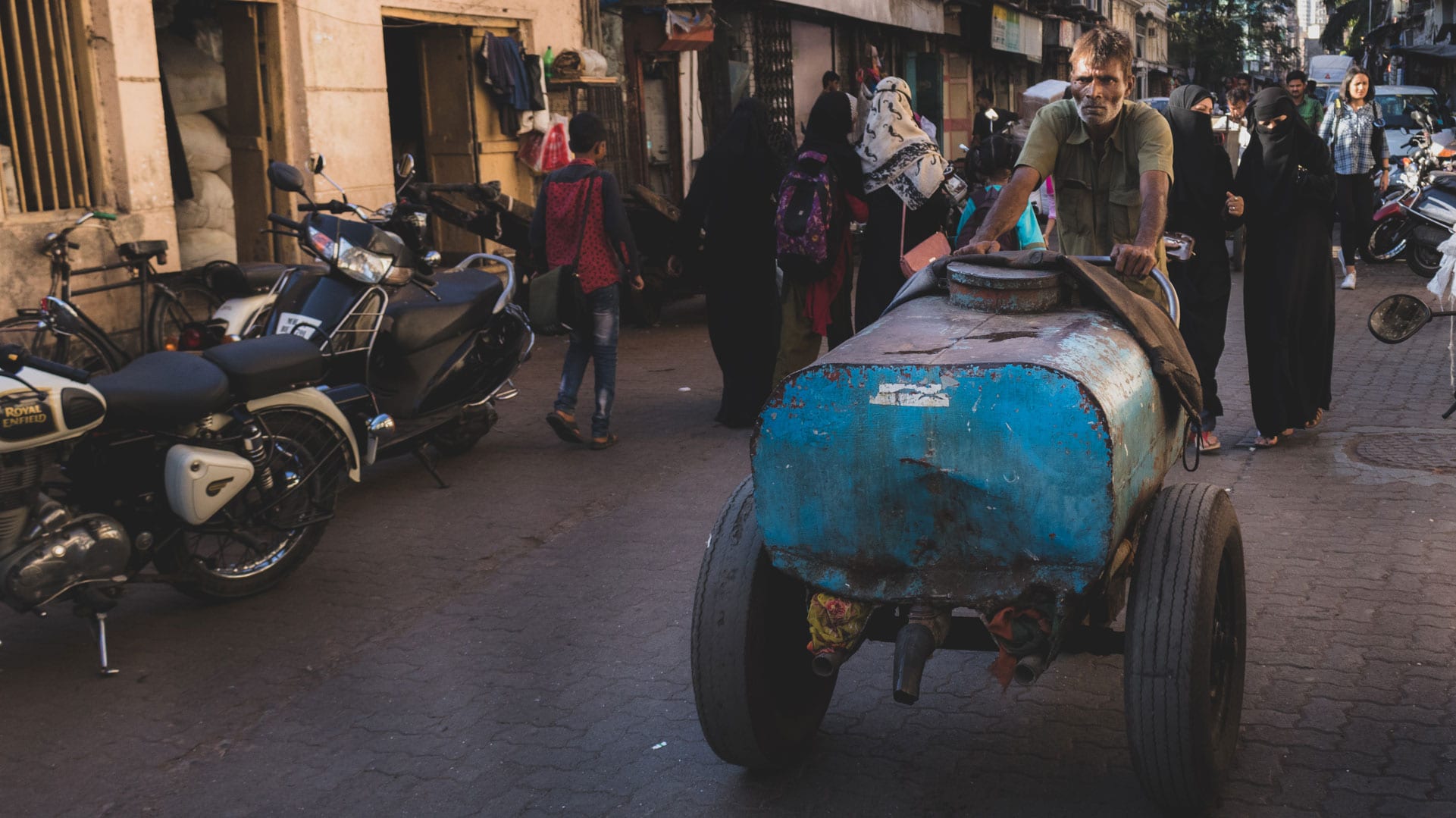
[/imgcenter]Aslam’s phone rings: it’s a client.[imgcenter]![Aslam2]() [/imgcenter]‘Follow me, I have received an order,’ says Aslam, getting a bit excited. He tows his patra through MS Ali Road, and parks it near a textile shop in Nagpada.[imgcenter]
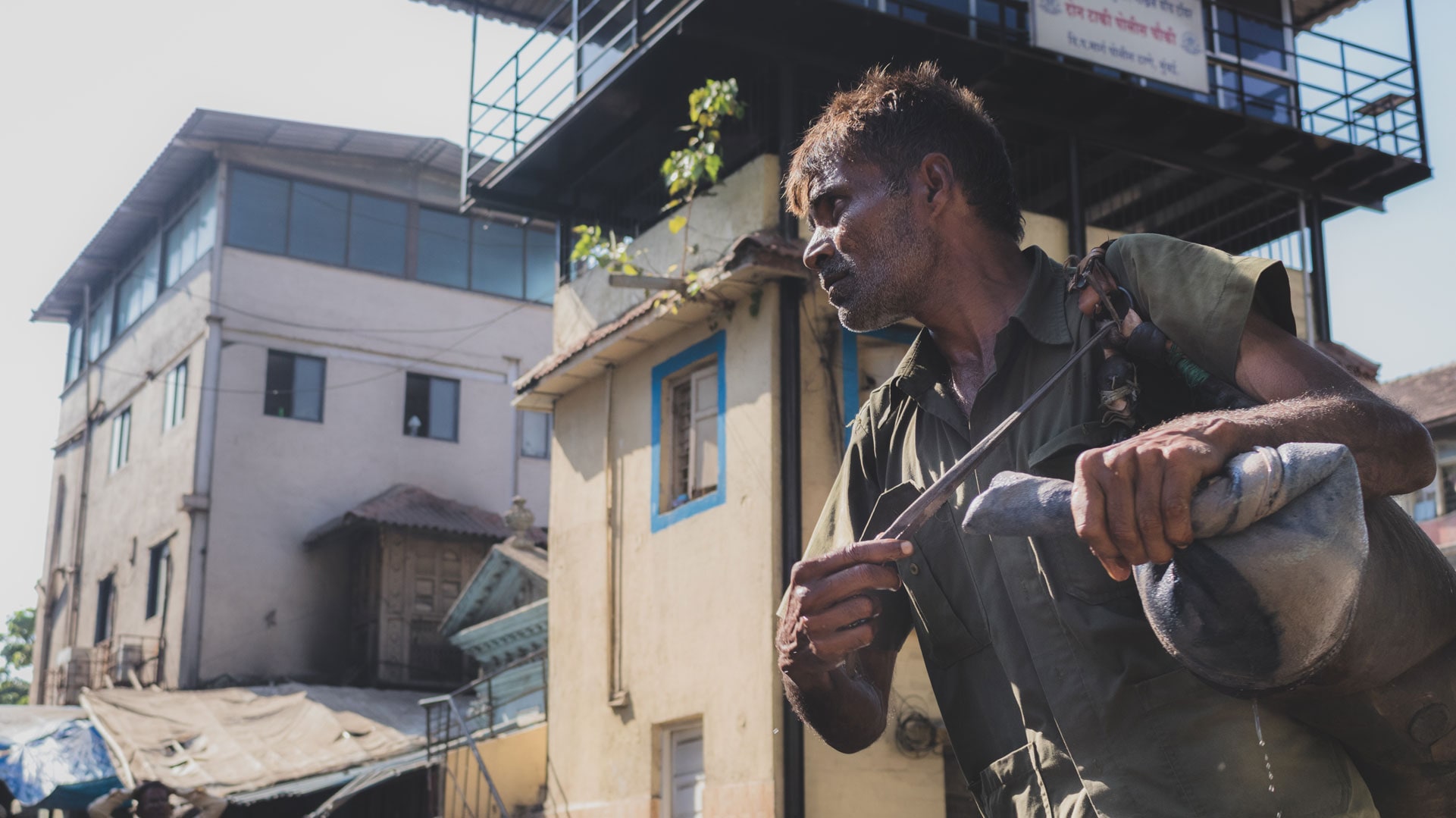
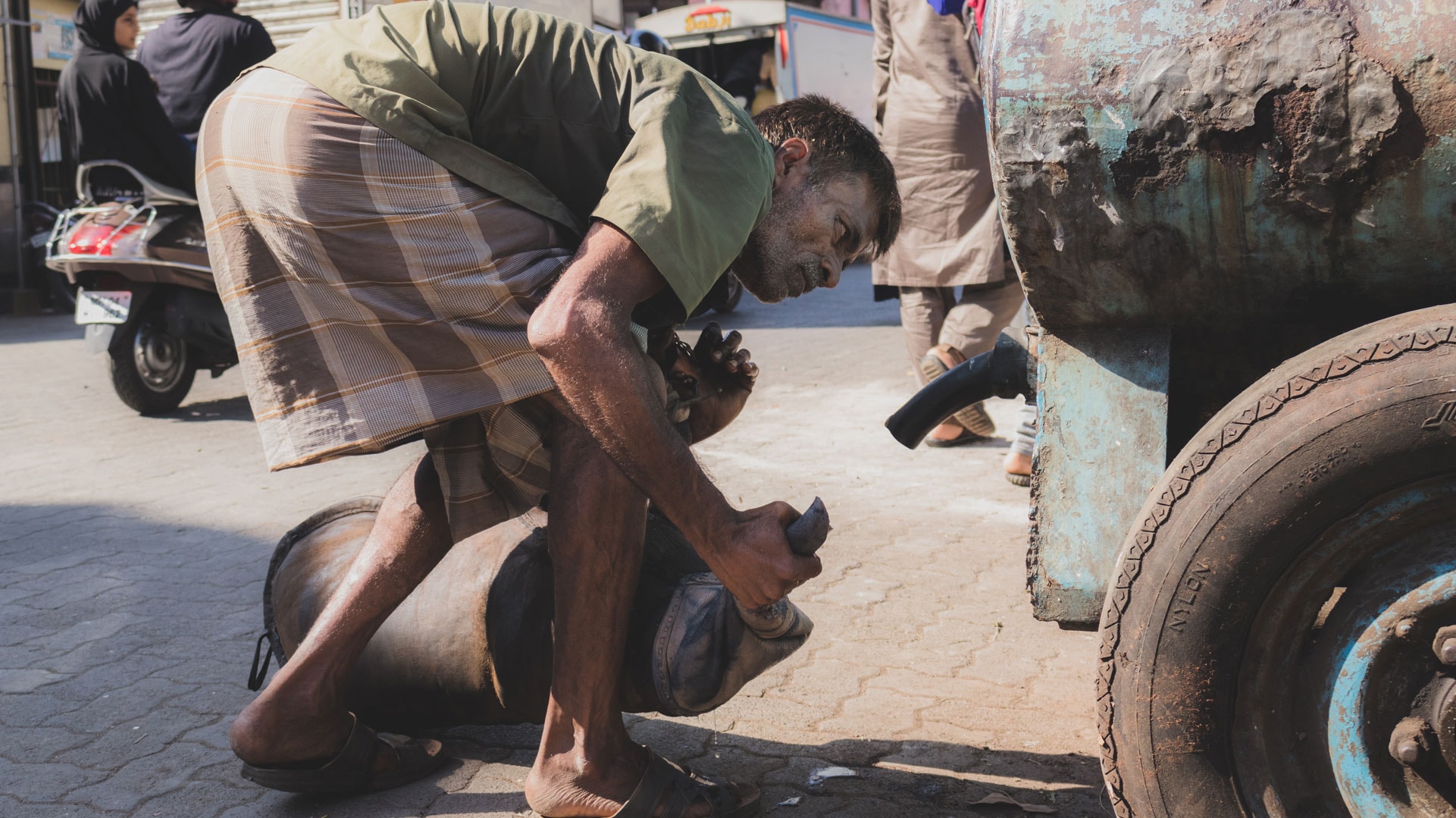
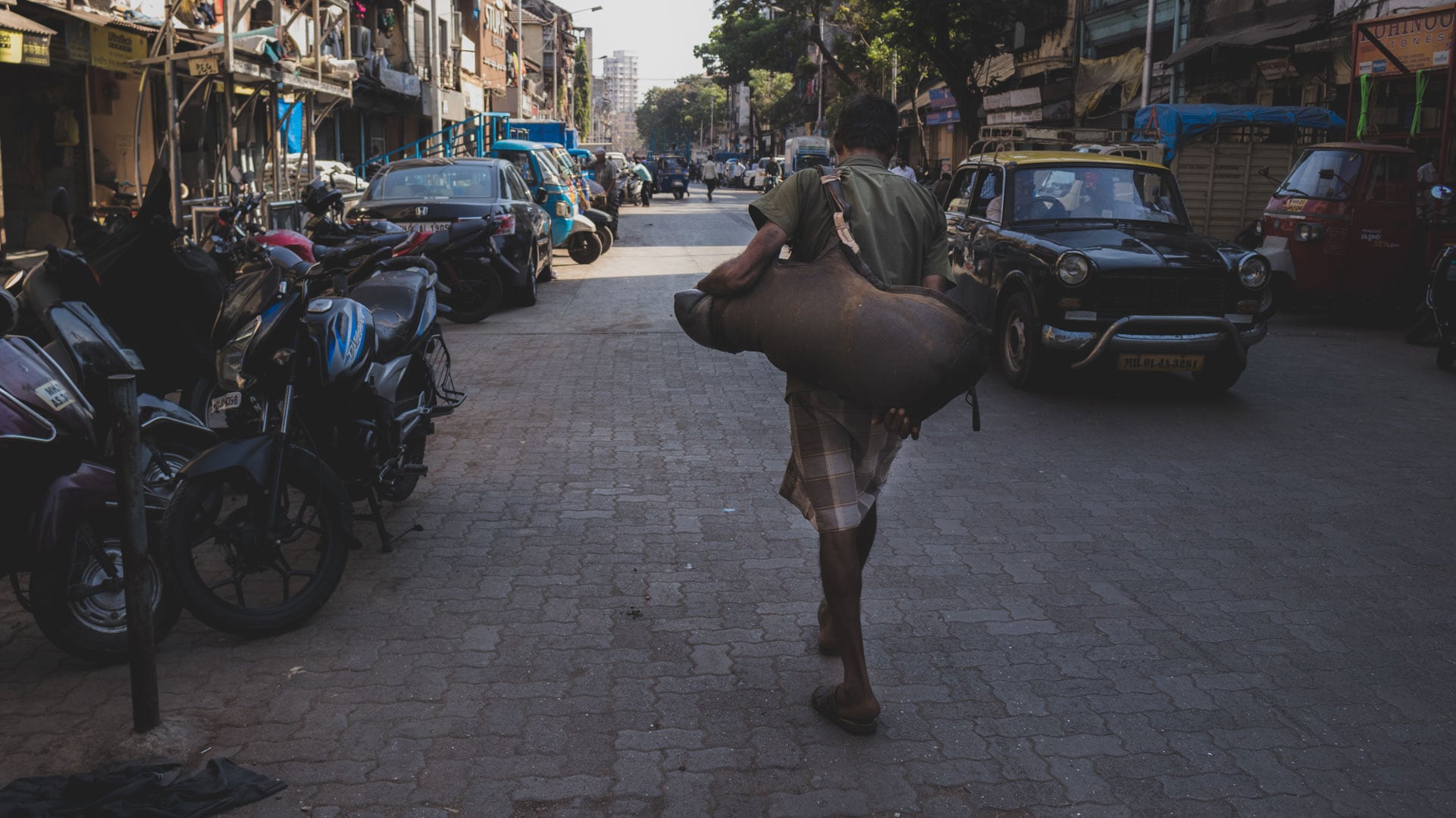
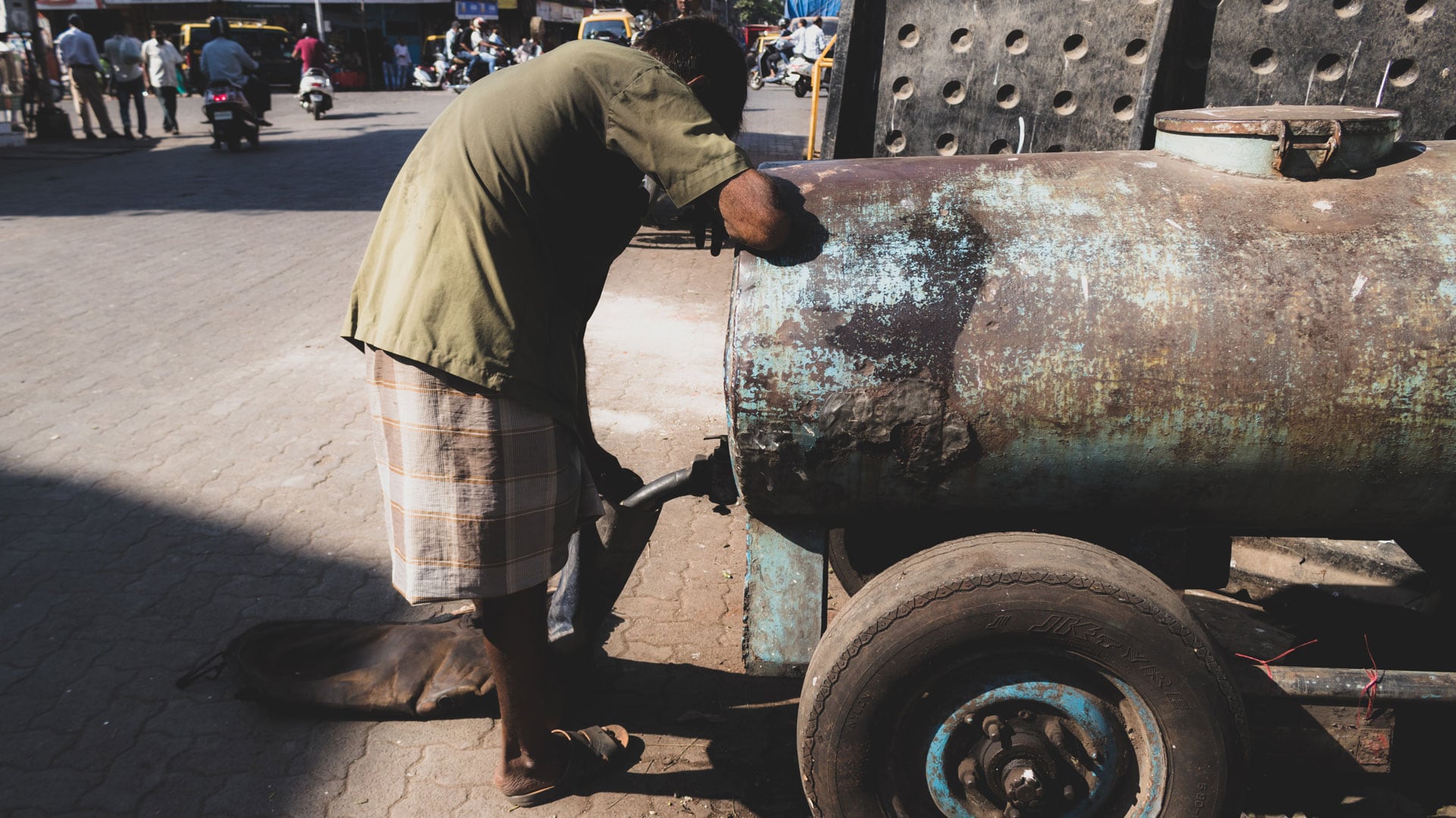
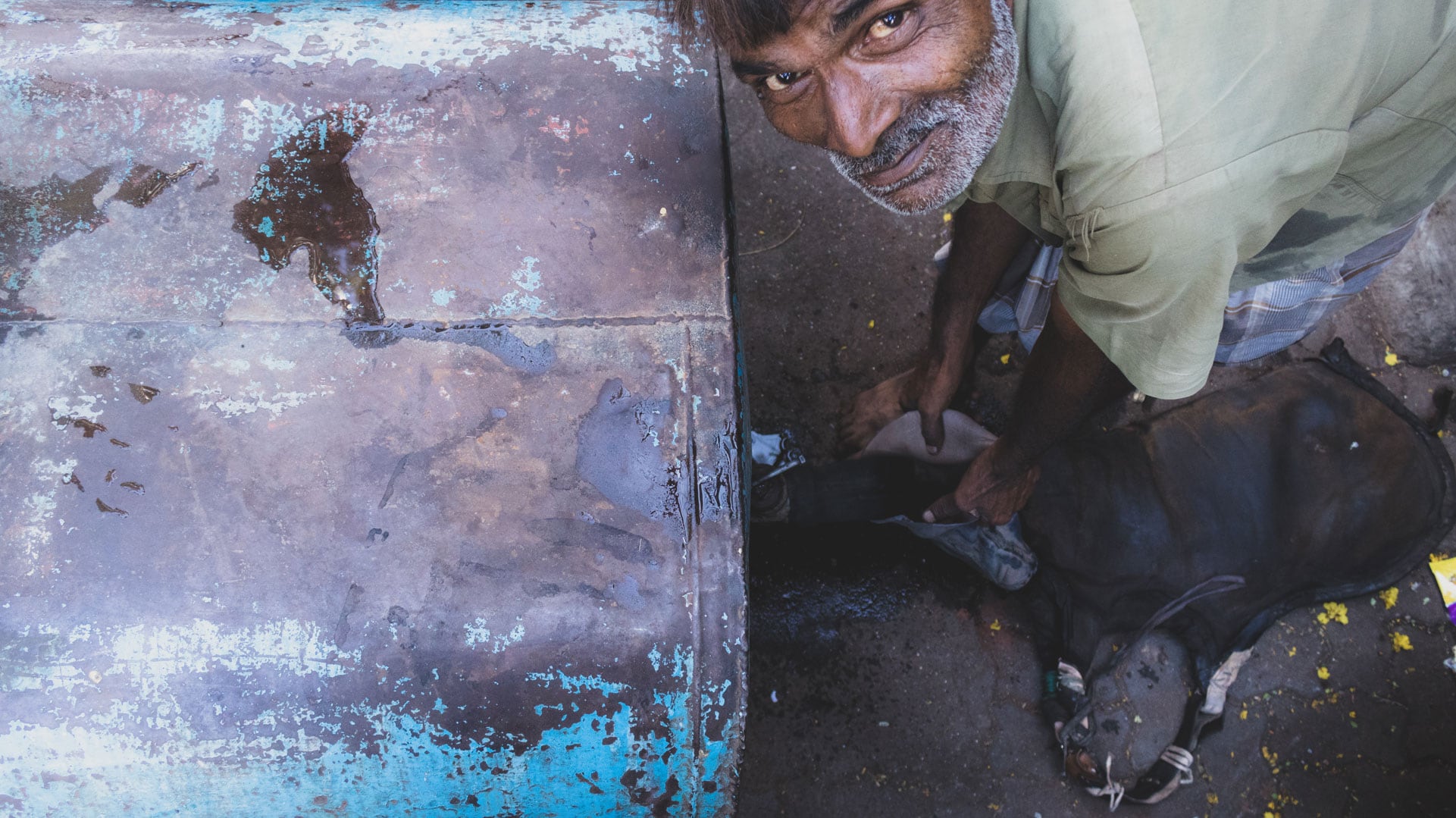
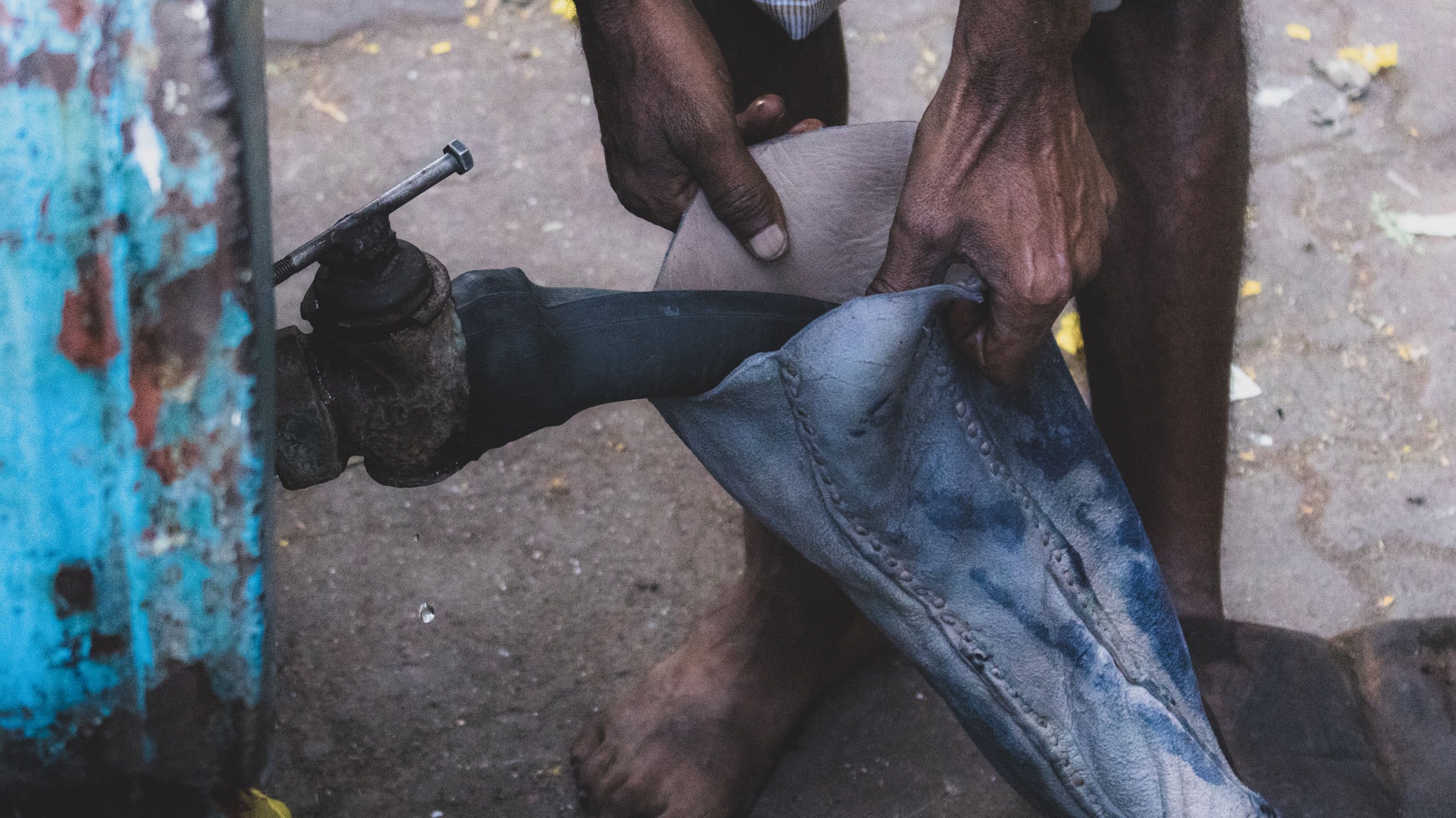
[/imgcenter]‘Follow me, I have received an order,’ says Aslam, getting a bit excited. He tows his patra through MS Ali Road, and parks it near a textile shop in Nagpada.[imgcenter]![Aslam8]() [/imgcenter]Aslam lets the water from the patra fill his mashaq — the latter nearly resembles an actual goat — then ties its mouth and flings it on his shoulder. Finally, he empties the water from his mashaq into the client’s container, repeats the process a couple of times, collects the payment and tows his patra back to Don Taki police station.[imgcenter]
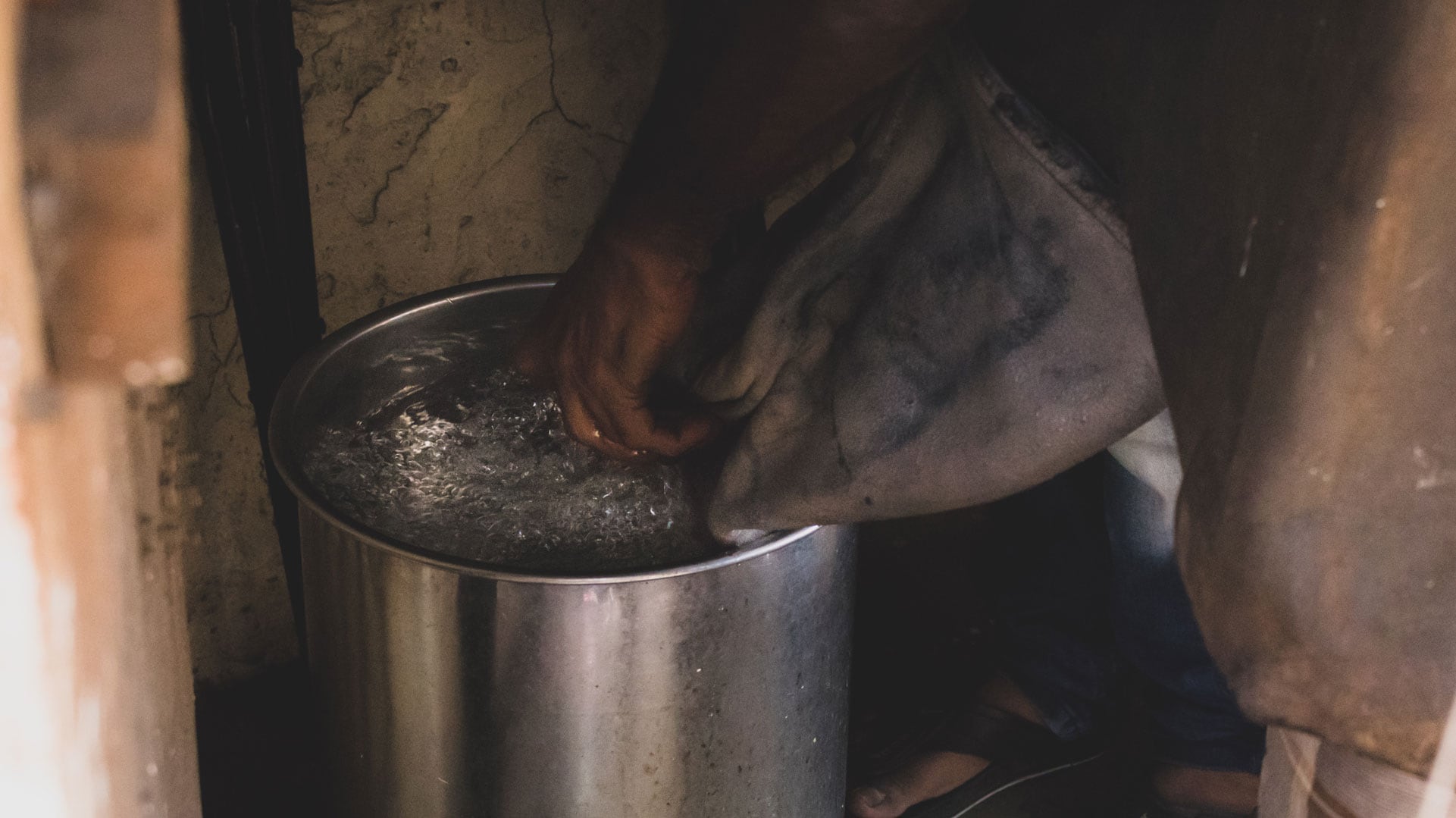
[/imgcenter]Aslam lets the water from the patra fill his mashaq — the latter nearly resembles an actual goat — then ties its mouth and flings it on his shoulder. Finally, he empties the water from his mashaq into the client’s container, repeats the process a couple of times, collects the payment and tows his patra back to Don Taki police station.[imgcenter]![Aslam7]() [/imgcenter]One mashaqful of water (20-25 litres) costs between Rs 15-25, and a patra holds only 550 litres of water. On good days, when he sells all the water in his patra, Aslam earns a little more than Rs 500.[imgcenter]
[/imgcenter]One mashaqful of water (20-25 litres) costs between Rs 15-25, and a patra holds only 550 litres of water. On good days, when he sells all the water in his patra, Aslam earns a little more than Rs 500.[imgcenter]![Aslam5]() [/imgcenter]‘Ten years ago, there used to be more than 25 mashaqwallahs working here (in Kumbharwada). Now, it’s just the three of us,’ says Aslam. Because of more efficient and regular modern-day water supply system available, the Bhishtis’ profession has become obsolete, and their clientele has been reduced to small shops and households that have an irregular supply of water. Adding to their woes is the high cost of the mashaq (around Rs 4,000), that has to be replaced every six months.[imgcenter]
[/imgcenter]‘Ten years ago, there used to be more than 25 mashaqwallahs working here (in Kumbharwada). Now, it’s just the three of us,’ says Aslam. Because of more efficient and regular modern-day water supply system available, the Bhishtis’ profession has become obsolete, and their clientele has been reduced to small shops and households that have an irregular supply of water. Adding to their woes is the high cost of the mashaq (around Rs 4,000), that has to be replaced every six months.[imgcenter]![Aslam10]() [/imgcenter]All this has forced them to look for more viable jobs. Many in the community have completely given up on the profession, while others have separate businesses on the side. Aslam, too, had to look for another profession. In the summers, roughly for six months, when the demand for water is high, he is a mashaqwallah in Mumbai; the other six, he drives a taxi from Delhi to Jaipur. ‘These are the only two things I know, what else can I do? There is little money in this profession, but money doesn’t buy respect,’ he says.[imgcenter]
[/imgcenter]All this has forced them to look for more viable jobs. Many in the community have completely given up on the profession, while others have separate businesses on the side. Aslam, too, had to look for another profession. In the summers, roughly for six months, when the demand for water is high, he is a mashaqwallah in Mumbai; the other six, he drives a taxi from Delhi to Jaipur. ‘These are the only two things I know, what else can I do? There is little money in this profession, but money doesn’t buy respect,’ he says.[imgcenter]![Aslam6]() [/imgcenter]Mashaqwallahs are on the brink of obsolescence, and there seems little chance of a revival of the trade. While some, like Aslam, hold on because of a lack of options, for others, it's pride in a bygone era that keeps them going.
[/imgcenter]Mashaqwallahs are on the brink of obsolescence, and there seems little chance of a revival of the trade. While some, like Aslam, hold on because of a lack of options, for others, it's pride in a bygone era that keeps them going.
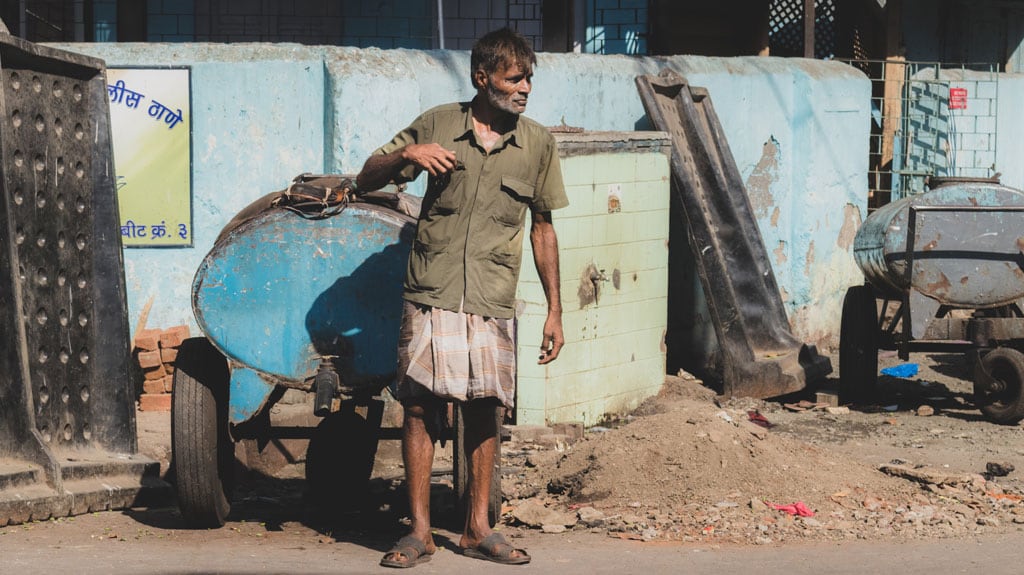 Aslam belongs to the Bhishti tribe; the community that's historically associated with the profession of supplying water. The water is stored in a goatskin bag, known as 'mashaq' — that's where those who practice the trade get their name from.Being a mashaqwallah was once considered a respectable profession. Generations from within the same family would ply the trade, the responsibility passing down from parent to child and so on.
 [/imgcenter]The morning that we meet him is a busy one — as most days in Mumbai are. Aslam is stationed outside the Don Taki police station in South Mumbai with his patra. His day starts early, at 5 am. He begins by filling his patra at CP Tank every morning, then tows it to Kumbharwada, the neighbourhood he supplies water in.[imgcenter]
 [/imgcenter]Each mashaqwallah covers an area of nearly a square kilometre. In Kumbharwada, there are three of them supplying water.[imgcenter]
 [/imgcenter]Aslam’s phone rings: it’s a client.[imgcenter]
 [/imgcenter]‘Follow me, I have received an order,’ says Aslam, getting a bit excited. He tows his patra through MS Ali Road, and parks it near a textile shop in Nagpada.[imgcenter]
 [/imgcenter]Aslam lets the water from the patra fill his mashaq — the latter nearly resembles an actual goat — then ties its mouth and flings it on his shoulder. Finally, he empties the water from his mashaq into the client’s container, repeats the process a couple of times, collects the payment and tows his patra back to Don Taki police station.[imgcenter]
 [/imgcenter]One mashaqful of water (20-25 litres) costs between Rs 15-25, and a patra holds only 550 litres of water. On good days, when he sells all the water in his patra, Aslam earns a little more than Rs 500.[imgcenter]
 [/imgcenter]‘Ten years ago, there used to be more than 25 mashaqwallahs working here (in Kumbharwada). Now, it’s just the three of us,’ says Aslam. Because of more efficient and regular modern-day water supply system available, the Bhishtis’ profession has become obsolete, and their clientele has been reduced to small shops and households that have an irregular supply of water. Adding to their woes is the high cost of the mashaq (around Rs 4,000), that has to be replaced every six months.[imgcenter]
 [/imgcenter]All this has forced them to look for more viable jobs. Many in the community have completely given up on the profession, while others have separate businesses on the side. Aslam, too, had to look for another profession. In the summers, roughly for six months, when the demand for water is high, he is a mashaqwallah in Mumbai; the other six, he drives a taxi from Delhi to Jaipur. ‘These are the only two things I know, what else can I do? There is little money in this profession, but money doesn’t buy respect,’ he says.[imgcenter]
 [/imgcenter]Mashaqwallahs are on the brink of obsolescence, and there seems little chance of a revival of the trade. While some, like Aslam, hold on because of a lack of options, for others, it's pride in a bygone era that keeps them going.
First Published:Mar 29, 2018, 12:01:53 IST
Advertisement
Advertisement

Off-centre | Vande Mataram: The mother that we adore
A meditation on the meaning of India as the country celebrates 77th independence Day
Of nature, culture and alcohol: A glimpse into Sikkim’s age-old brewing traditions
Most rural households across Sikkim have their own breweries, which are an integral part of the local culture.
Revisiting the Bollywood dream sequence: A tour of the world, and within
The Bollywood dream sequence helped stretch my imagination in a way that I believed the whole world was within me. This self-sufficiency helped me get through the physical setting I was in, from awkward social gatherings to the confines of my home during the pandemic.
Trams, part of Kolkata heritage, are little more than a nostalgia ride today
In recent years, hit by natural disasters and official neglect, the city’s tram system has become little more than a nostalgia ride, its passengers more often looking for a lark than an efficient trip home.
Online exhibition archives oral histories of the Kolis, degradation of Mumbai's coastal ecology
The online exhibition Through the Eyes of the Kolis uses their photos to highlights how Mumbai's ecology has been disturbed and how the fishermen community are adapting.
Advertisement
Advertisement