
Advertisement


Sections
How food became gendered: Diets, ads and magazines worked for over a century to create this approach
Food has slowly become gendered over time. Beginning in the late 19th century, a steady stream of dietary advice, corporate advertising and magazine articles created a division between male and female tastes that, for more than a century, has shaped everything from dinner plans to menu designs.

By Paul FreedmanWhen was it decided that women prefer some types of food – yogurt with fruit, salads and white wine – while men are supposed to gravitate to chili, steak and bacon?In my new book American Cuisine: And How It Got This Way, I show how the idea that women don’t want red meat and prefer salads and sweets didn’t just spring up spontaneously.[caption id="attachment_7605921" align="alignnone" width="825"]![Food didn’t become gendered until the late 19th century. Photo credit: Facebook @salad.]() Food didn’t become gendered until the late 19th century. Photo credit: Facebook @salad.[/caption]Beginning in the late 19th century, a steady stream of dietary advice, corporate advertising and magazine articles created a division between male and female tastes that, for more than a century, has shaped everything from dinner plans to menu designs.A separate market for women surfacesBefore the Civil War, the whole family ate the same things together. The era’s best-selling household manuals and cookbooks never indicated that husbands had special tastes that women should indulge.Even though “women’s restaurants” – spaces set apart for ladies to dine unaccompanied by men – were commonplace, they nonetheless served the same dishes as the men’s dining room: offal, calf’s heads, turtles and roast meat.Beginning in the 1870s, shifting social norms – like the entry of women into the workplace – gave women more opportunities to dine without men and in the company of female friends or co-workers.As more women spent time outside of the home, however, they were still expected to congregate in gender-specific places.Chain restaurants geared toward women, such as Schrafft’s, proliferated. They created alcohol-free safe spaces for women to lunch without experiencing the rowdiness of workingmen’s cafés or free-lunch bars, where patrons could get a free midday meal as long as they bought a beer (or two or three).It was during this period that the notion that some foods were more appropriate for women started to emerge. Magazines and newspaper advice columns identified fish and white meat with minimal sauce, as well as new products like packaged cottage cheese, as “female foods.” And of course, there were desserts and sweets, which women, supposedly, couldn’t resist.You could see this shift reflected in old Schrafft’s menus: a list of light main courses, accompanied by elaborate desserts with ice cream, cake or whipped cream. Many menus featured more desserts than entrees.By the early 20th century, women’s food was commonly described as “dainty,” meaning fanciful but not filling. Women’s magazines included advertisements for typical female foodstuffs: salads, colorful and shimmering Jell-O mold creations, or fruit salads decorated with marshmallows, shredded coconut and maraschino cherries.At the same time, self-appointed men’s advocates complained that women were inordinately fond of the very types of decorative foods being marketed to them. In 1934, for example, a male writer named Leone B Moates wrote an article in House and Garden scolding wives for serving their husbands “a bit of fluff like marshmallow-date whip.”Save these “dainties” for ladies’ lunches, he implored, and serve your husbands the hearty food they crave: goulash, chili or corned beef hash with poached eggs.Pleasing the tastes of menWriters like Moates weren’t the only ones exhorting women to prioritise their husbands.The 20th century saw a proliferation of cookbooks telling women to give up their favorite foods and instead focus on pleasing their boyfriends or husbands. The central thread running through these titles was that if women failed to satisfy their husbands’ appetites, their men would stray.You could see this in midcentury ads, like the one showing an irritated husband saying “Mother never ran out of Kellogg’s Corn Flakes.”But this fear was exploited as far back as 1872, which saw the publication of a cookbook titled How to Keep a Husband, or Culinary Tactics. One of the most successful cookbooks, 'The Settlement' Cook Book, first published in 1903, was subtitled The Way to a Man’s Heart.It was joined by recipe collections like 1917’s A Thousand Ways to Please a Husband and 1925’s Feed the Brute!This sort of marketing clearly had an effect. In the 1920s, one woman wrote to General Mills’ fictional spokeswoman, “Betty Crocker,” expressing fear that her neighbour was going to “capture” her husband with her fudge cake.Just as women were being told they needed to focus on their husbands’ taste buds over their own – and be excellent cooks, to boot – men were also saying that they didn’t want their wives to be single-mindedly devoted to the kitchen.As Frank Shattuck, the founder of Schrafft’s, observed in the 1920s, a young man contemplating marriage is looking for a girl who is a “good sport.” A husband doesn’t want to come home to a bedraggled wife who has spent all day at the stove, he noted. Yes, he wants a good cook; but he also wants an attractive, “fun” companion.It was an almost impossible ideal – and advertisers quickly capitalised on the insecurities created by the dual pressure wives felt to please their husbands without looking like they’d worked too hard doing so.A 1950 brochure for a cooking appliance company depicts a woman wearing a low-cut dress and pearls showing her appreciative husband what’s in the oven for dinner.The woman in the ad – thanks to her new, modern oven – was able to please her husband’s palate without breaking a sweat.The 1970s and beyondBeginning in the 1970s, dining changed dramatically. Families started spending more money eating out. More women working outside the home meant meals were less elaborate, especially since men remained loathe to share the responsibility of cooking.The microwave encouraged alternatives to the traditional, sit-down dinner. The women’s movement destroyed lady-centered luncheonettes like Schrafft’s and upended the image of the happy housewife preparing her condensed soup casseroles or Chicken Yum Yum.Yet as food historians Laura Shapiro and Harvey Levenstein have noted, despite these social changes, the depiction of male and female tastes in advertising has remained surprisingly consistent, even as some new ingredients and foods have entered the mix.Kale, quinoa and other healthy food fads are gendered as “female.” Barbecue, bourbon and “adventurous foods,” on the other hand, are the domain of men.A New York Times article from 2007 noted the trend of young women on first dates ordering steak. But this wasn’t some expression of gender equality or an outright rejection of food stereotyping.Instead, “meat is strategy,” as the author put it. It was meant to signal that women weren’t obsessed with their health or their diet – a way to reassure men that, should a relationship flower, their girlfriends won’t start lecturing them about what they should eat.Even in the 21st century, echoes of cookbooks like The Way to a Man’s Heart resound – a sign that it will take a lot more work to get rid of the fiction that some foods are for men, while others are for women.Paul Freedman, Chester D Tripp Professor of History, Yale UniversityThis article is republished from The Conversation under a Creative Commons license. Read the original article.
Food didn’t become gendered until the late 19th century. Photo credit: Facebook @salad.[/caption]Beginning in the late 19th century, a steady stream of dietary advice, corporate advertising and magazine articles created a division between male and female tastes that, for more than a century, has shaped everything from dinner plans to menu designs.A separate market for women surfacesBefore the Civil War, the whole family ate the same things together. The era’s best-selling household manuals and cookbooks never indicated that husbands had special tastes that women should indulge.Even though “women’s restaurants” – spaces set apart for ladies to dine unaccompanied by men – were commonplace, they nonetheless served the same dishes as the men’s dining room: offal, calf’s heads, turtles and roast meat.Beginning in the 1870s, shifting social norms – like the entry of women into the workplace – gave women more opportunities to dine without men and in the company of female friends or co-workers.As more women spent time outside of the home, however, they were still expected to congregate in gender-specific places.Chain restaurants geared toward women, such as Schrafft’s, proliferated. They created alcohol-free safe spaces for women to lunch without experiencing the rowdiness of workingmen’s cafés or free-lunch bars, where patrons could get a free midday meal as long as they bought a beer (or two or three).It was during this period that the notion that some foods were more appropriate for women started to emerge. Magazines and newspaper advice columns identified fish and white meat with minimal sauce, as well as new products like packaged cottage cheese, as “female foods.” And of course, there were desserts and sweets, which women, supposedly, couldn’t resist.You could see this shift reflected in old Schrafft’s menus: a list of light main courses, accompanied by elaborate desserts with ice cream, cake or whipped cream. Many menus featured more desserts than entrees.By the early 20th century, women’s food was commonly described as “dainty,” meaning fanciful but not filling. Women’s magazines included advertisements for typical female foodstuffs: salads, colorful and shimmering Jell-O mold creations, or fruit salads decorated with marshmallows, shredded coconut and maraschino cherries.At the same time, self-appointed men’s advocates complained that women were inordinately fond of the very types of decorative foods being marketed to them. In 1934, for example, a male writer named Leone B Moates wrote an article in House and Garden scolding wives for serving their husbands “a bit of fluff like marshmallow-date whip.”Save these “dainties” for ladies’ lunches, he implored, and serve your husbands the hearty food they crave: goulash, chili or corned beef hash with poached eggs.Pleasing the tastes of menWriters like Moates weren’t the only ones exhorting women to prioritise their husbands.The 20th century saw a proliferation of cookbooks telling women to give up their favorite foods and instead focus on pleasing their boyfriends or husbands. The central thread running through these titles was that if women failed to satisfy their husbands’ appetites, their men would stray.You could see this in midcentury ads, like the one showing an irritated husband saying “Mother never ran out of Kellogg’s Corn Flakes.”But this fear was exploited as far back as 1872, which saw the publication of a cookbook titled How to Keep a Husband, or Culinary Tactics. One of the most successful cookbooks, 'The Settlement' Cook Book, first published in 1903, was subtitled The Way to a Man’s Heart.It was joined by recipe collections like 1917’s A Thousand Ways to Please a Husband and 1925’s Feed the Brute!This sort of marketing clearly had an effect. In the 1920s, one woman wrote to General Mills’ fictional spokeswoman, “Betty Crocker,” expressing fear that her neighbour was going to “capture” her husband with her fudge cake.Just as women were being told they needed to focus on their husbands’ taste buds over their own – and be excellent cooks, to boot – men were also saying that they didn’t want their wives to be single-mindedly devoted to the kitchen.As Frank Shattuck, the founder of Schrafft’s, observed in the 1920s, a young man contemplating marriage is looking for a girl who is a “good sport.” A husband doesn’t want to come home to a bedraggled wife who has spent all day at the stove, he noted. Yes, he wants a good cook; but he also wants an attractive, “fun” companion.It was an almost impossible ideal – and advertisers quickly capitalised on the insecurities created by the dual pressure wives felt to please their husbands without looking like they’d worked too hard doing so.A 1950 brochure for a cooking appliance company depicts a woman wearing a low-cut dress and pearls showing her appreciative husband what’s in the oven for dinner.The woman in the ad – thanks to her new, modern oven – was able to please her husband’s palate without breaking a sweat.The 1970s and beyondBeginning in the 1970s, dining changed dramatically. Families started spending more money eating out. More women working outside the home meant meals were less elaborate, especially since men remained loathe to share the responsibility of cooking.The microwave encouraged alternatives to the traditional, sit-down dinner. The women’s movement destroyed lady-centered luncheonettes like Schrafft’s and upended the image of the happy housewife preparing her condensed soup casseroles or Chicken Yum Yum.Yet as food historians Laura Shapiro and Harvey Levenstein have noted, despite these social changes, the depiction of male and female tastes in advertising has remained surprisingly consistent, even as some new ingredients and foods have entered the mix.Kale, quinoa and other healthy food fads are gendered as “female.” Barbecue, bourbon and “adventurous foods,” on the other hand, are the domain of men.A New York Times article from 2007 noted the trend of young women on first dates ordering steak. But this wasn’t some expression of gender equality or an outright rejection of food stereotyping.Instead, “meat is strategy,” as the author put it. It was meant to signal that women weren’t obsessed with their health or their diet – a way to reassure men that, should a relationship flower, their girlfriends won’t start lecturing them about what they should eat.Even in the 21st century, echoes of cookbooks like The Way to a Man’s Heart resound – a sign that it will take a lot more work to get rid of the fiction that some foods are for men, while others are for women.Paul Freedman, Chester D Tripp Professor of History, Yale UniversityThis article is republished from The Conversation under a Creative Commons license. Read the original article.
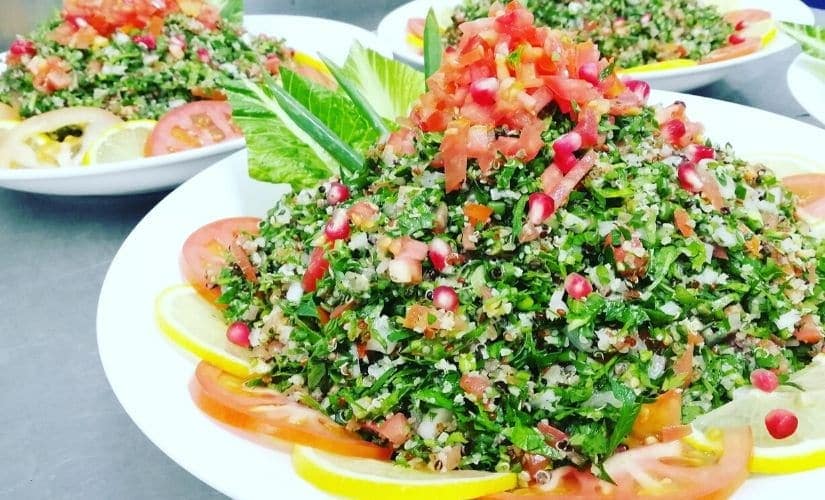 Food didn’t become gendered until the late 19th century. Photo credit: Facebook @salad.[/caption]Beginning in the late 19th century, a steady stream of dietary advice, corporate advertising and magazine articles created a division between male and female tastes that, for more than a century, has shaped everything from dinner plans to menu designs.A separate market for women surfacesBefore the Civil War, the whole family ate the same things together. The era’s best-selling household manuals and cookbooks never indicated that husbands had special tastes that women should indulge.Even though “women’s restaurants” – spaces set apart for ladies to dine unaccompanied by men – were commonplace, they nonetheless served the same dishes as the men’s dining room: offal, calf’s heads, turtles and roast meat.Beginning in the 1870s, shifting social norms – like the entry of women into the workplace – gave women more opportunities to dine without men and in the company of female friends or co-workers.As more women spent time outside of the home, however, they were still expected to congregate in gender-specific places.Chain restaurants geared toward women, such as Schrafft’s, proliferated. They created alcohol-free safe spaces for women to lunch without experiencing the rowdiness of workingmen’s cafés or free-lunch bars, where patrons could get a free midday meal as long as they bought a beer (or two or three).It was during this period that the notion that some foods were more appropriate for women started to emerge. Magazines and newspaper advice columns identified fish and white meat with minimal sauce, as well as new products like packaged cottage cheese, as “female foods.” And of course, there were desserts and sweets, which women, supposedly, couldn’t resist.You could see this shift reflected in old Schrafft’s menus: a list of light main courses, accompanied by elaborate desserts with ice cream, cake or whipped cream. Many menus featured more desserts than entrees.By the early 20th century, women’s food was commonly described as “dainty,” meaning fanciful but not filling. Women’s magazines included advertisements for typical female foodstuffs: salads, colorful and shimmering Jell-O mold creations, or fruit salads decorated with marshmallows, shredded coconut and maraschino cherries.At the same time, self-appointed men’s advocates complained that women were inordinately fond of the very types of decorative foods being marketed to them. In 1934, for example, a male writer named Leone B Moates wrote an article in House and Garden scolding wives for serving their husbands “a bit of fluff like marshmallow-date whip.”Save these “dainties” for ladies’ lunches, he implored, and serve your husbands the hearty food they crave: goulash, chili or corned beef hash with poached eggs.Pleasing the tastes of menWriters like Moates weren’t the only ones exhorting women to prioritise their husbands.The 20th century saw a proliferation of cookbooks telling women to give up their favorite foods and instead focus on pleasing their boyfriends or husbands. The central thread running through these titles was that if women failed to satisfy their husbands’ appetites, their men would stray.You could see this in midcentury ads, like the one showing an irritated husband saying “Mother never ran out of Kellogg’s Corn Flakes.”But this fear was exploited as far back as 1872, which saw the publication of a cookbook titled How to Keep a Husband, or Culinary Tactics. One of the most successful cookbooks, 'The Settlement' Cook Book, first published in 1903, was subtitled The Way to a Man’s Heart.It was joined by recipe collections like 1917’s A Thousand Ways to Please a Husband and 1925’s Feed the Brute!This sort of marketing clearly had an effect. In the 1920s, one woman wrote to General Mills’ fictional spokeswoman, “Betty Crocker,” expressing fear that her neighbour was going to “capture” her husband with her fudge cake.Just as women were being told they needed to focus on their husbands’ taste buds over their own – and be excellent cooks, to boot – men were also saying that they didn’t want their wives to be single-mindedly devoted to the kitchen.As Frank Shattuck, the founder of Schrafft’s, observed in the 1920s, a young man contemplating marriage is looking for a girl who is a “good sport.” A husband doesn’t want to come home to a bedraggled wife who has spent all day at the stove, he noted. Yes, he wants a good cook; but he also wants an attractive, “fun” companion.It was an almost impossible ideal – and advertisers quickly capitalised on the insecurities created by the dual pressure wives felt to please their husbands without looking like they’d worked too hard doing so.A 1950 brochure for a cooking appliance company depicts a woman wearing a low-cut dress and pearls showing her appreciative husband what’s in the oven for dinner.The woman in the ad – thanks to her new, modern oven – was able to please her husband’s palate without breaking a sweat.The 1970s and beyondBeginning in the 1970s, dining changed dramatically. Families started spending more money eating out. More women working outside the home meant meals were less elaborate, especially since men remained loathe to share the responsibility of cooking.The microwave encouraged alternatives to the traditional, sit-down dinner. The women’s movement destroyed lady-centered luncheonettes like Schrafft’s and upended the image of the happy housewife preparing her condensed soup casseroles or Chicken Yum Yum.Yet as food historians Laura Shapiro and Harvey Levenstein have noted, despite these social changes, the depiction of male and female tastes in advertising has remained surprisingly consistent, even as some new ingredients and foods have entered the mix.Kale, quinoa and other healthy food fads are gendered as “female.” Barbecue, bourbon and “adventurous foods,” on the other hand, are the domain of men.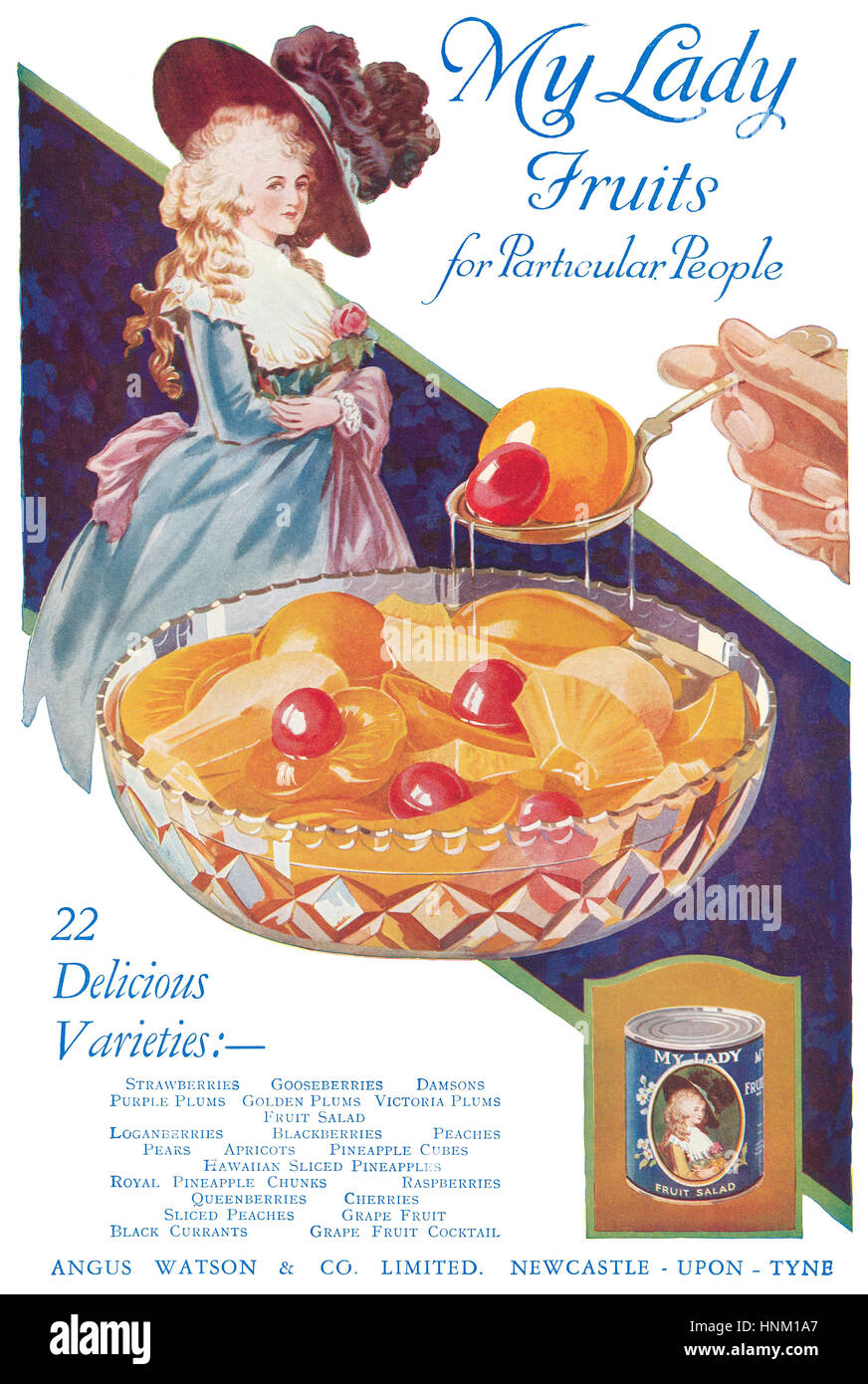
First Published:Nov 06, 2019, 11:56:34 IST
Advertisement
Advertisement

Here's why you crave sweets after every meal: This one thing can fix it
It's common to crave something sweet after meals. However, what's often dismissed as "having a sweet tooth," is mostly nutritional deficiency
1 min read
India's most beloved national parks for wildlife lovers
India holds some of the world’s most wonderful wilderness spaces. Forests and jungles where myth, beauty and survival exist side by side. From mangroves that swallow rivers to grasslands shaped by centuries of migration, the country’s national parks offer more than sightings. They offer moments of stillness, surprise, and reverence.
1 min read
Even the Beckhams break: The rise of family estrangement
People are choosing to cut off contact with their families, prioritising mental health.
4 min read
European Council Chief has an OCI card: What is it?
The OCI Scheme, introduced in 2005, grants foreign nationals of Indian origin a life-long visa for India, but no political rights.
1 min read
The 90s show Friends, and why we misread modern friendships
We’ve all heard about the loneliness epidemic at this point. It isn’t even particularly shocking — it seems like the result on the obvious — people consistently glued to their phones, seeking intimacy and even sex through phone screens, consistent comparison to other peoples’ partners, and what their relationships look like, to how far everyone has come in their jobs — there is much to feel diminished about.
5 min read
Advertisement
Advertisement