


Why Darjeeling tea is famous globally? The story behind the "champagne of teas"
Muscatel flavour, hand-plucked leaves, and India's very first GI tag: here is what makes Darjeeling tea truly irreplaceable

There are teas, and then there is Darjeeling tea. Often called the "Champagne of Teas," it is prized across the globe for its unique flavour, rich heritage, and limited production.
But what exactly makes a cup of Darjeeling tea so different from everything else on the shelf? The answer is a mix of geography, history, and something that simply cannot be manufactured elsewhere.
It starts with where it grows
Nestled in the Indian state of West Bengal, Darjeeling's cool, mountainous climate provides the perfect environment for cultivating tea. The region's high-altitude gardens, ranging from 3,000 to 7,000 feet above sea level, create a unique ecosystem for tea cultivation.
The high-altitude region provides mineral-rich soils, a constant interplay between sun and shade, and a varied climate marked by high humidity and cool nights. Despite tea plants typically favouring warmth, they flourish in these conditions, albeit at a slower pace. That slower growth is exactly what gives Darjeeling tea its depth of flavour.
 More from Lifestyle
A history rooted in colonial India
The story of Darjeeling tea began in the 19th century, during British colonial rule, when the British aimed to decrease their reliance on Chinese tea and established extensive tea plantations in the region.
Makaibari Tea Estate, founded in 1852, holds a special place in that history — the tea factory built there in 1859 was the first in all of Darjeeling. Built entirely in wood, bamboo, and cast iron, it is also the only estate in Darjeeling to have never been owned by the British Raj.
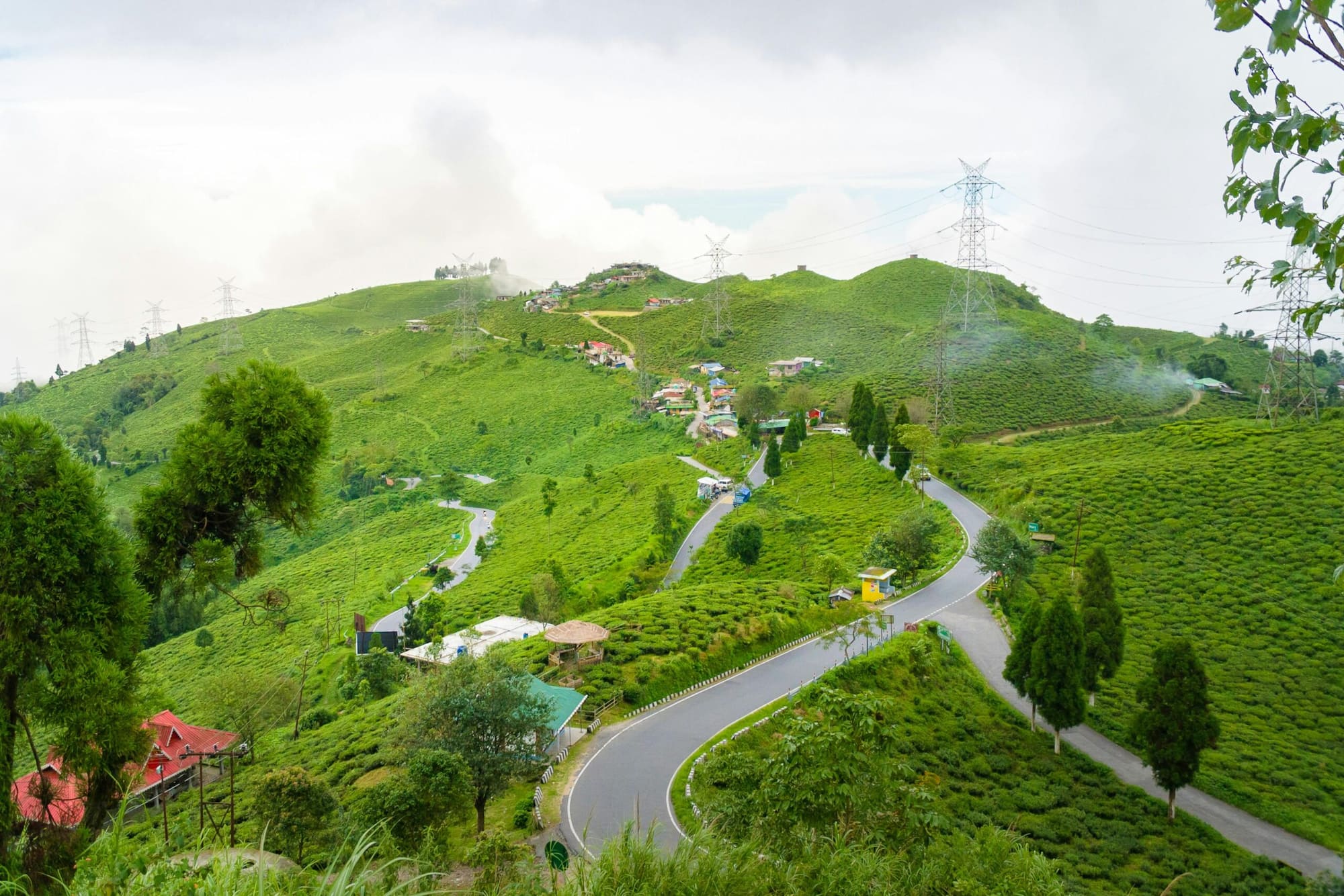
By 1866, Darjeeling had 39 tea gardens producing 21,000 kilograms of tea. By 1870, that number grew to 56 estates and over 71,000 kilograms. Estates like Makaibari, Castleton, and Margaret's Hope emerged, producing some of the finest teas in the world.
Makaibari also became the first tea garden globally to shift to biodynamic farming — no chemical fertilisers, just composting and farming guided by natural cycles like moon phases and seasons — a practice that feels radical even today. By the 1920s, Darjeeling tea had become a luxury item in high demand across Europe and the United States.
The muscatel factor
One word separates Darjeeling tea from every other variety in the world: muscatel.
This exclusive smell, taste, and flavour of muscatel comes from the specific climatic conditions and soil of the Darjeeling region and cannot be replicated anywhere else.
It is why tea connoisseurs treat a good Darjeeling flush the way wine lovers treat a vintage, as something tied completely to its place of origin.
India's first GI tag
The global demand for Darjeeling tea eventually created a serious problem of counterfeits.
While actual annual production of Darjeeling tea stands at around 8–9 million kg, historically over 40 million kg of tea has been sold globally under the Darjeeling name, a massive mismatch driven by widespread mislabelling.
To protect it, Darjeeling tea became the first Indian product to receive a GI tag on 27th October 2003. This means only tea grown in the Darjeeling region, following specific standards, can legally be called Darjeeling tea. In 2019, Darjeeling Green tea and Darjeeling White tea were also GI-tagged under the same act.
Still made by hand
With just about 87 gardens producing limited quantities each year, it remains an exclusive and highly sought-after tea. Every type of Darjeeling tea is hand-plucked, and around 70% of Darjeeling tea gardens have started producing organic blends, with no chemical fertilisers used in harvesting.
In a world where most things are mass-produced and easy to copy, Darjeeling tea remains stubbornly, beautifully irreplaceable — a product of a specific mountain, a specific climate, and generations of hands that know exactly what they are doing.

Trade the hustle for the Shire: Inside the "hobbitmaxxing" trend
Spices, health and the Indian plate: Why chilli can be good for you—but moderation is still key
The right way to break up without feeling groggy
How Spider-Man actor Tom Holland has been on a sobriety journey of 4.5 years after being "addicted to alcohol"
Why Chennai is India's filter coffee capital, one tumbler at a time