


Which city is called the Kulfi Capital of India?
Which city is called the Kulfi Capital of India? Discover why it earned the title and explore the history of India's favourite frozen dessert.

When it comes to iconic Indian desserts, few treats can rival the popularity of kulfi. Rich, creamy and packed with flavour, the traditional frozen dessert has been cooling Indians down for generations. But did you know that one Indian city is popularly known as the Kulfi Capital of India?
The answer is Delhi.
The nickname frequently appears in general knowledge quizzes and food trivia, reflecting the capital city's deep-rooted association with kulfi and its long-standing reputation as a hub for traditional sweet-making.
Why is Delhi known as the Kulfi Capital of India?
Delhi's connection with kulfi goes back centuries. The city has long been home to some of India's most famous kulfi makers, particularly in the bustling lanes of Old Delhi, where traditional recipes continue to be passed down through generations.
 More from Lifestyle
From Chandni Chowk to Chawri Bazaar, kulfi vendors and sweet shops have been serving the dessert for decades, making it an integral part of the capital's food culture.
The city's enduring love affair with kulfi has helped it earn the unofficial title of the Kulfi Capital of India.
A dessert with Mughal-era origins
Kulfi is believed to have originated during the Mughal period. Historical accounts suggest that royal kitchens experimented with frozen milk desserts using ice transported from the Himalayas and cooling techniques involving saltpetre.
Over time, the dessert evolved into the kulfi we know today- a dense, slow-cooked milk-based sweet flavoured with ingredients such as saffron, pistachios, almonds and cardamom.
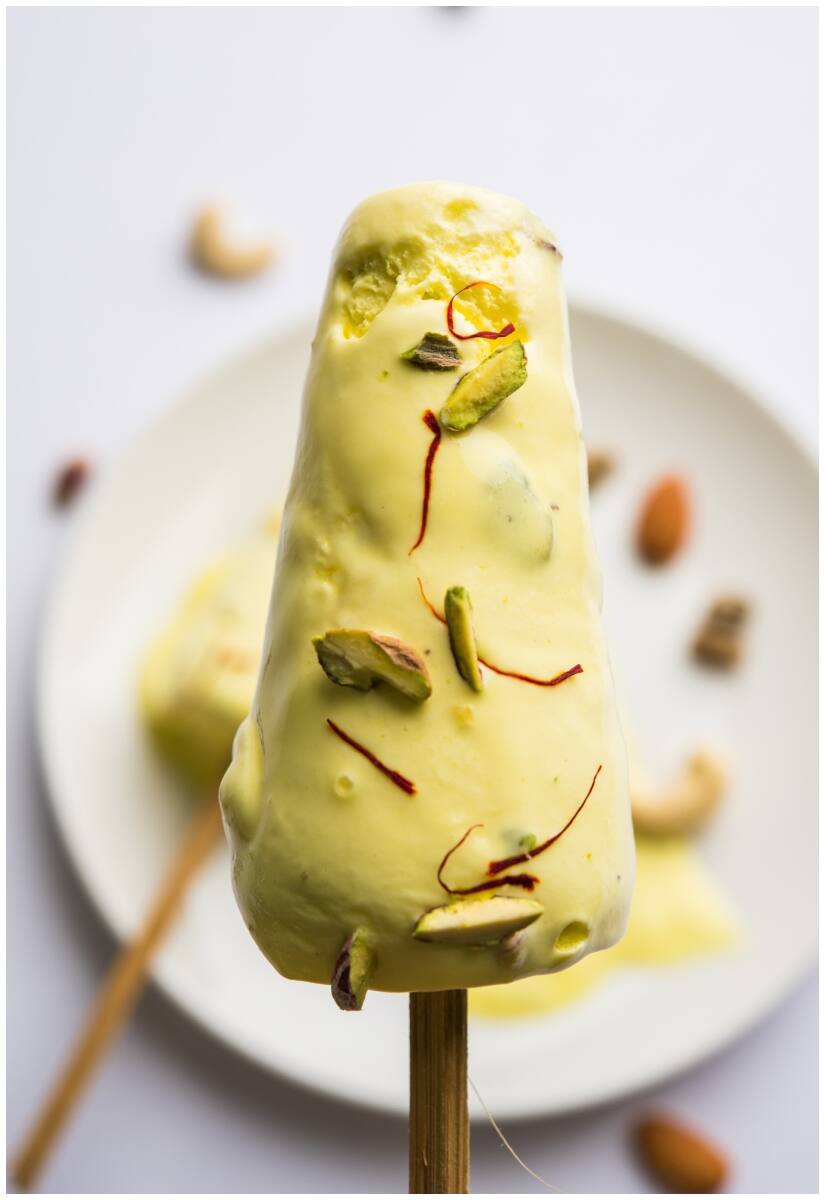
Given Delhi's historical significance as a centre of Mughal culture and cuisine, it is unsurprising that the city remains closely linked to the dessert's legacy.
What makes kulfi different from ice cream?
Although often compared to ice cream, kulfi is prepared differently. Traditional kulfi is made by simmering milk for hours until it thickens and develops a rich flavour. Unlike ice cream, it is not churned during the freezing process, which gives it a denser and creamier texture.
This unique preparation method has helped kulfi maintain its popularity even as international frozen desserts have become more widely available.
The flavours that define Delhi's kulfi culture
While classic malai kulfi remains a favourite, Delhi's sweet shops offer a wide variety of flavours.
Pistachio, saffron, mango, rose and paan kulfi continue to attract customers, especially during the summer months. Many establishments also serve kulfi with falooda, creating a dessert combination that has become synonymous with North Indian summers.
For many Delhiites, kulfi is more than a sweet treat. It is a part of the city's culinary identity and a reminder of traditions that have survived for centuries.
Whether enjoyed from a street-side vendor in Old Delhi or a renowned sweet shop, kulfi remains one of India's most beloved desserts.

Trade the hustle for the Shire: Inside the "hobbitmaxxing" trend
Spices, health and the Indian plate: Why chilli can be good for you—but moderation is still key
The right way to break up without feeling groggy
How Spider-Man actor Tom Holland has been on a sobriety journey of 4.5 years after being "addicted to alcohol"
Why Chennai is India's filter coffee capital, one tumbler at a time