


The play that strips motherhood off its perfect facade: Why Belly of the Beast hits so close to home
Belly of the Beast review: Sheena Khalid's play featuring Kalki Koechlin explores prepartum anxiety, miscarriage, maternal guilt and the unseen emotional journey of motherhood.

We all know the postcard version of motherhood. It is a world of gentle lullabies, sunlit pregnancy portraits, and an unwritten rule that a woman ought to feel nothing short of pure, unadulterated bliss the second she decides to bring a life into the world.
Then along came Belly of the Beast to smash that picture-perfect fantasy into a million pieces. Directed by Sheena Khalid, co-written with Kalki Koechlin (and inspired by Elephant in the Womb), and produced by Aadyam Theatre, the play feels less like a theatrical performance and more like a collective sigh of relief for anyone who has ever crumbled under the invisible weight of maternal expectation.
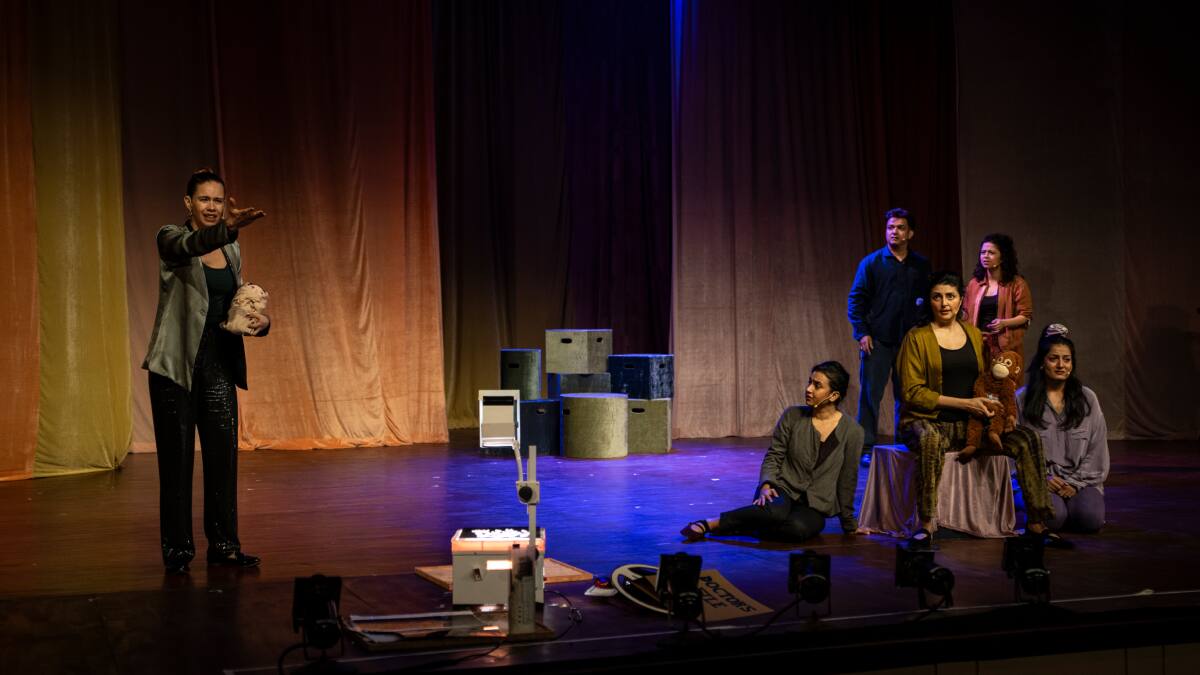
Belly of the Beast refuses to play it safe. Instead of offering a neat, cosy tale about the "gift of life," it dives headfirst into the chaotic, messy reality of womanhood. Through a mix of physical theatre, shadow puppetry, live music, and razor-sharp dark humour, the cast, featuring Kalki Koechlin, Amba-Suhasini K. Jhala, Rachel D'Souza, Shanaya Rafaat, Shruti Vyas, and Kettan Singh, charts the full emotional terrain. They lay bare everything from prepartum panic and the eerie isolation of postpartum life to the silent heartbreak of miscarriage and the relentless guilt that haunts working mothers.
 More from Lifestyle
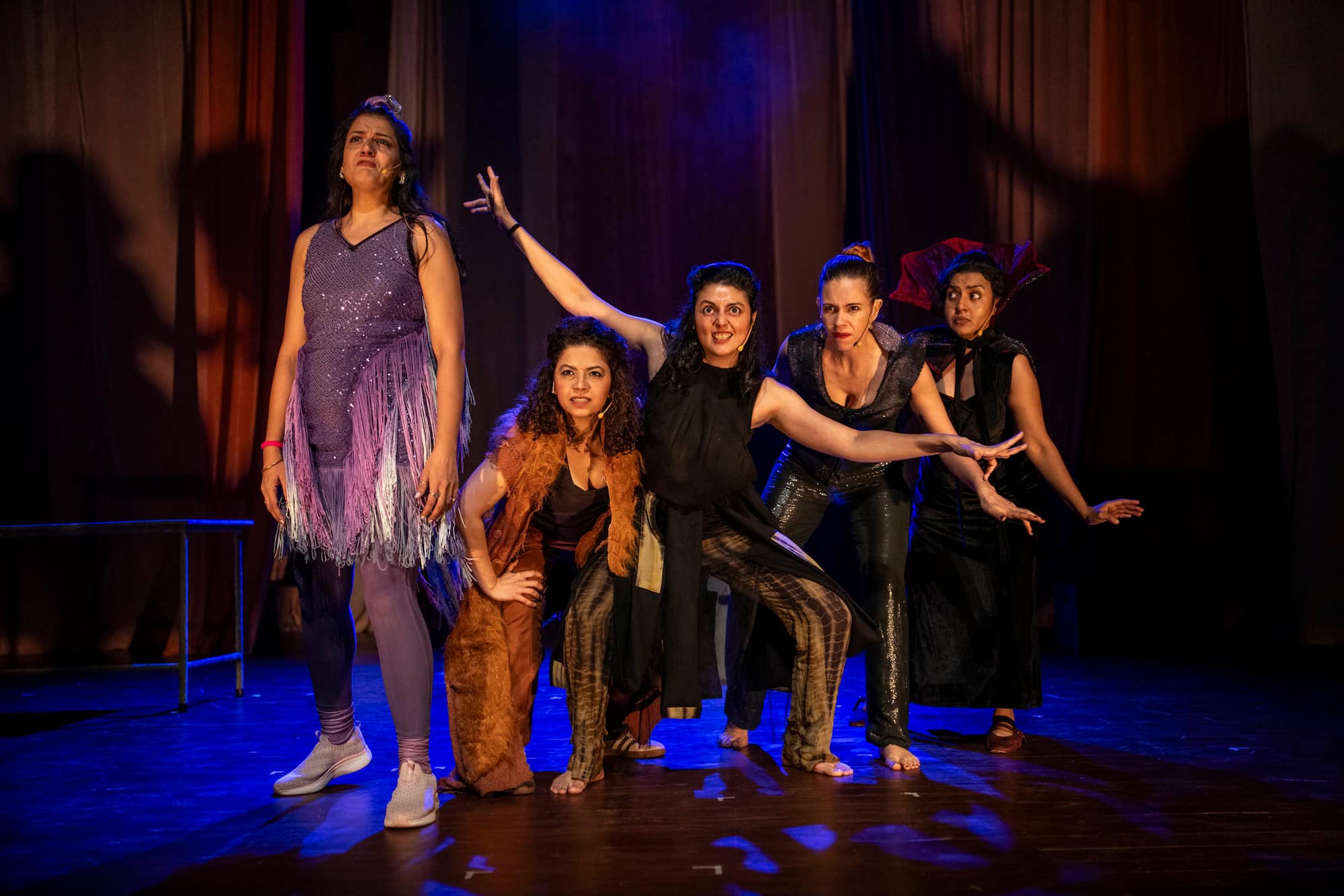
One of the show's most brilliant strokes is its physicalisation of inner turmoil. Each of the women on stage periodically morph into dragon, vampire, spider, unicorn, and werewolf to externalise feelings that usually defy words. What might sound whimsical on paper is deeply moving in practice. Hormonal storms, blinding rage, bone-deep exhaustion, and sheer terror are given flesh and blood, forcing the audience to witness the exact emotional states women are taught to hide behind polite, weary smiles.
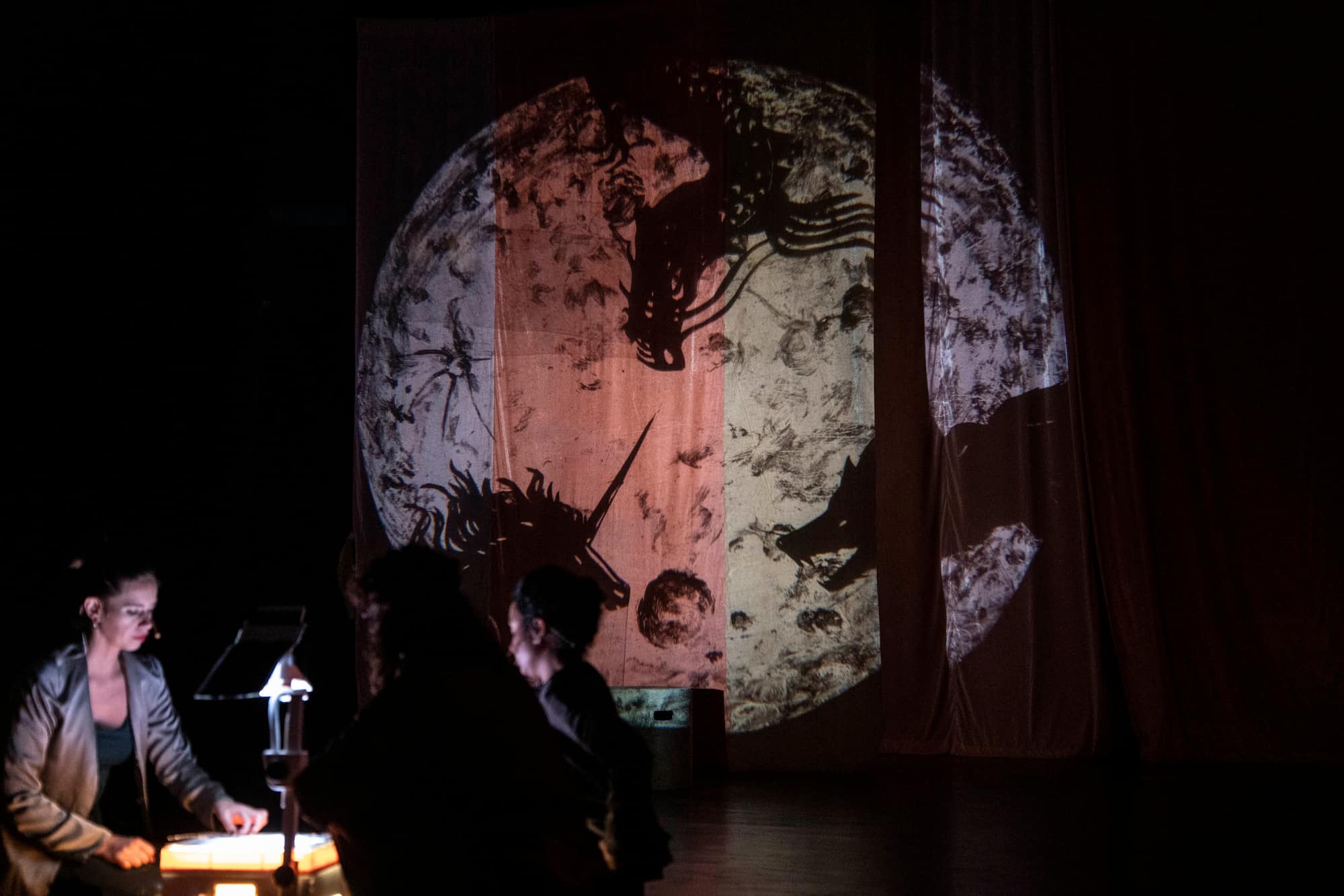
Khalid’s direction ensures the heavy subject matter never becomes unbearable. She masterfully balances raw vulnerability with laugh-out-loud wit, getting the audience to chuckle one moment before confronting them with a quiet, arresting discomfort the next. The shadow puppetry and live score act as natural extensions of the characters, visualising fears that plain language simply cannot express, effortlessly gliding between surreal fantasy and grounded realism. Not to mention, the cast often breaks the fourth wall, ensuring that the audience laugh a little before things get grim.
The production bravely shines a light on the quiet anxieties society prefers to ignore. It captures that unspoken dread that can creep in long before a baby actually arrives. There's this dizzying loss of identity, the anxiety over a changing body, and the shame and of feeling anything other than utter joy that probably creeps into the psyche of every mother, but society ensures that they remain quiet.
It also tackles the devastating, lonely space of pregnancy loss. In one of its most poignant beats, the play exposes the vast gulf between well-meaning sympathy and genuine empathy. When relatives and friends offer platitudes like "At least you know you can conceive," they inadvertently brush aside the mother's immediate, total grief. The play serves as a quiet, powerful reminder that a miscarriage isn't just a physical setback. It is the sudden death of very real plans, hopes, and imagined futures.
What makes Belly of the Beast cut so deep is that it isn't theatrical dramatisation for the sake of it. Mental health professionals confirm that the emotional chaos staged in the theatre mirrors what countless women silently endure every day.
Ms. Siddhi N Yadav, Consultant Psychologist at Motherhood Hospitals, Bengaluru, points out that the psychological weight of motherhood often settles in the moment a woman decides to try for a baby. Prepartum anxiety and depression are widespread yet rarely voiced because women feel obligated to look radiant and grateful. When a pregnancy ends in loss, society tends to respond with pity rather than actual understanding. True empathy doesn't try to tidy up the pain with platitudes; it simply sits with the mother and validates that her loss is profound.
Dr. Aparna Patil, Consultant in Obstetrics and Gynaecology at Aster Whitefield Hospital, Bengaluru, stresses that maternal mental health can no longer be brushed off as an afterthought or dismissed as "just a surge of hormones." Anxiety and depression affect nearly one in five pregnant women, fueled by fears over the baby's health, past trauma, relationship stress, and body image.
On top of that, maternal guilt, whether over returning to work, taking a moment for self-care, or feeding choices, heavily burdens mothers across every walk of life. Routine mental health check-ups during and after pregnancy need to become just as standard as measuring blood pressure.
The mark of a truly great play isn't that it hands you neat answers, but that it gives a name to emotions you thought you were carrying alone, leaving you to process the truth for yourself. Belly of the Beast does precisely that.
By stripping motherhood of its glossy veneer and replacing it with warmth, vulnerability, and unapologetic honesty, the production reminds us that becoming a mother isn't a single, glowing event. It is a complex, unpredictable emotional journey that begins long before childbirth. Most importantly, it asks us to stop judging, stop trying to "fix" women's grief, and do something deceptively simple: give mothers permission to be human.
Chief Sub Editor with a decade of experience in digital media, known for digging into behind-the-scenes trivia during interviews. Equal parts anime lover and pop-culture nerd, she spends her time ferociously hitting the keyboard, daydreaming between deadlines, travelling, chasing street food, and cracking unapologetically bad jokes.

Trade the hustle for the Shire: Inside the "hobbitmaxxing" trend
Spices, health and the Indian plate: Why chilli can be good for you—but moderation is still key
The right way to break up without feeling groggy
How Spider-Man actor Tom Holland has been on a sobriety journey of 4.5 years after being "addicted to alcohol"
Why Chennai is India's filter coffee capital, one tumbler at a time