


Obsessed with Netflix's My Royal Nemesis? Here's why you must visit Gyeongbokgung Palace in Seoul and all you need to know
Obsessed with My Royal Nemesis and period K-dramas? Here's why Seoul's Gyeongbokgung Palace is a must-visit destination for K-drama and BTS fans, along with ticket prices, timings and history.

If you've spent weeks obsessing over sweeping palace shots, royal intrigue and emotionally charged reunions in Korean dramas, chances are you've already seen Gyeongbokgung Palace on screen, even if you did not realise it at the time.
Now, thanks to Netflix's My Royal Nemesis, which is currently streaming on Netflix, the historic Seoul landmark is once again drawing attention from K-drama fans across the world.
From dramatic first meetings to time-slip awakenings, the palace plays a surprisingly important role in the hit series, becoming more than just a pretty backdrop. And for fans of period K-dramas, visiting Gyeongbokgung Palace feels a little like stepping directly into the worlds of Kingdom, Moon Lovers: Scarlet Heart Ryeo, Goblin and Love in the Moonlight.
 More from Lifestyle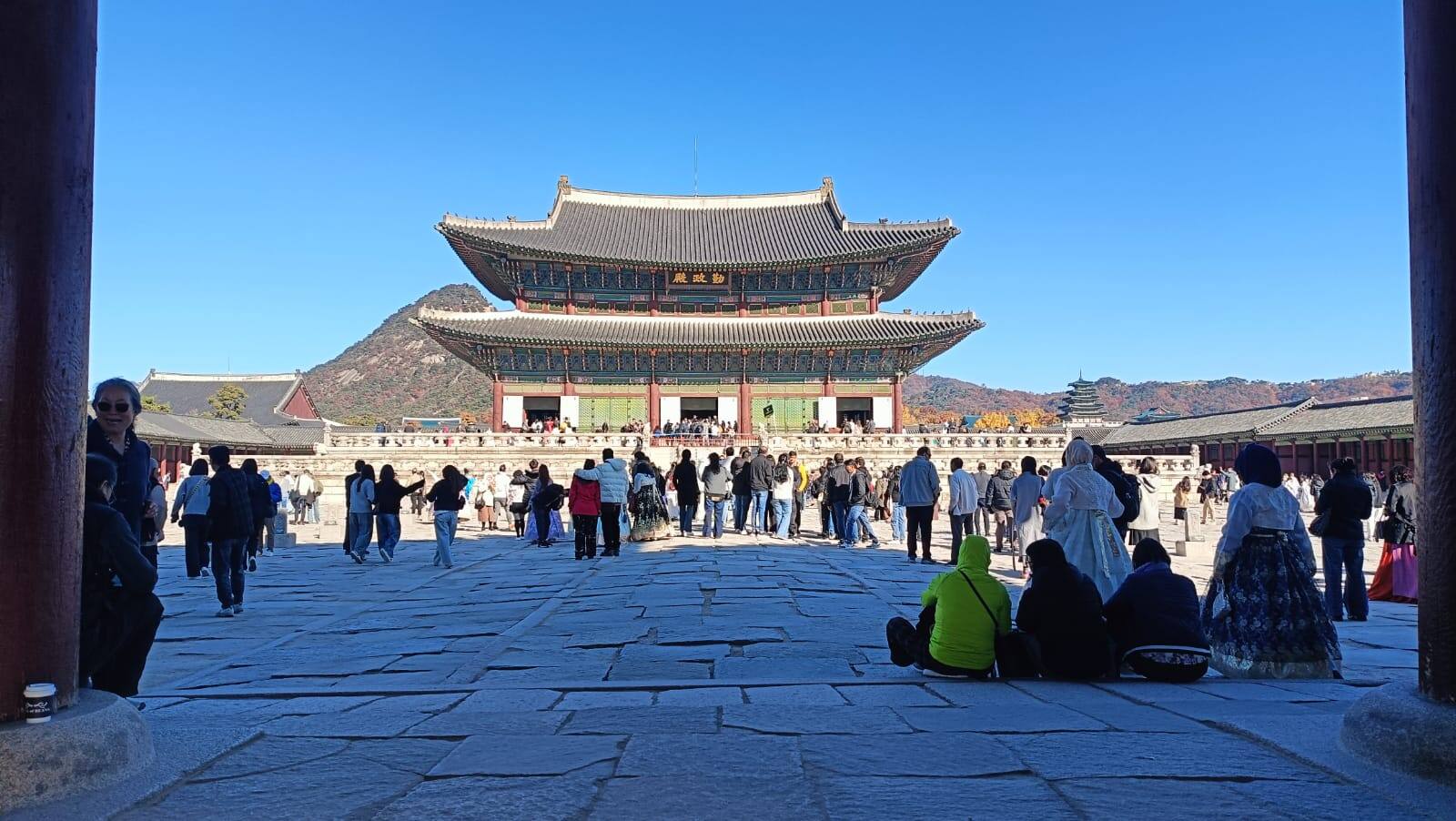
Why My Royal Nemesis Fans Are Talking About Gyeongbokgung Palace
One of the most memorable moments in My Royal Nemesis unfolds on the palace grounds themselves.
The historic complex becomes the setting for Dan-sim's awakening after her soul is displaced into modern-day Seoul. Confused and disoriented inside Seo-ri's body, she wakes up against the striking backdrop of Gyeongbokgung Palace, instantly creating one of the drama's most visually memorable sequences.
The palace also becomes the location for the pivotal first meeting between Seo-ri and chaebol heir Se-gye. Wandering outside Gyeongbokgung in shock, Seo-ri accidentally walks into the path of Se-gye's car, setting the tone for the chaos and tension that follows.
For viewers, the contrast between Joseon-era memories and modern Seoul traffic makes the palace feel almost timeless, suspended between different worlds.
The Palace Has Appeared in Several Iconic K-Dramas
Long before My Royal Nemesis, Gyeongbokgung Palace had already become one of the most recognisable filming locations in Korean entertainment.
The palace has appeared in numerous historical and fantasy dramas, often serving as the royal residence during Joseon-era storylines.
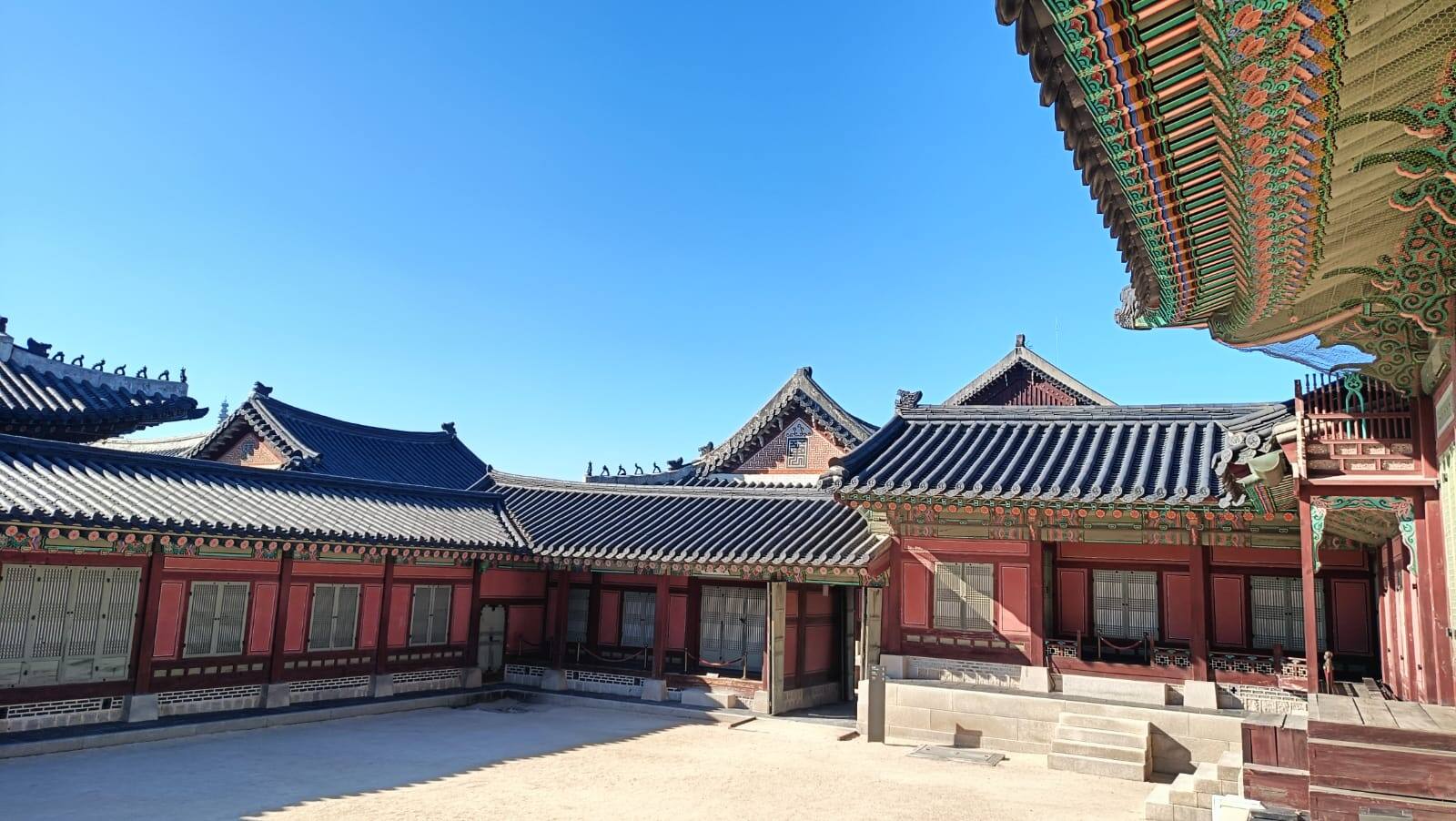
Fans may recognise its majestic courtyards and gates from dramas such as Moon Embracing the Sun, Love in the Moonlight, The King's Affection, Goblin and Netflix's zombie period thriller Kingdom. Certain scenes from Mr. Sunshine and Under the Queen's Umbrella also feature areas around Seoul's historic palace district.
Its cinematic appeal is obvious. With mountains framing the palace in the background and traditional Korean architecture stretching across vast courtyards, Gyeongbokgung instantly adds grandeur and emotional weight to period storytelling.
The History Behind Gyeongbokgung Palace
Built in 1395, Gyeongbokgung Palace served as the main royal palace of the Joseon Dynasty and remains the largest of Seoul's Five Grand Palaces. Its name roughly translates to "Palace Greatly Blessed by Heaven."
However, much of the palace's history is tied to destruction and restoration.
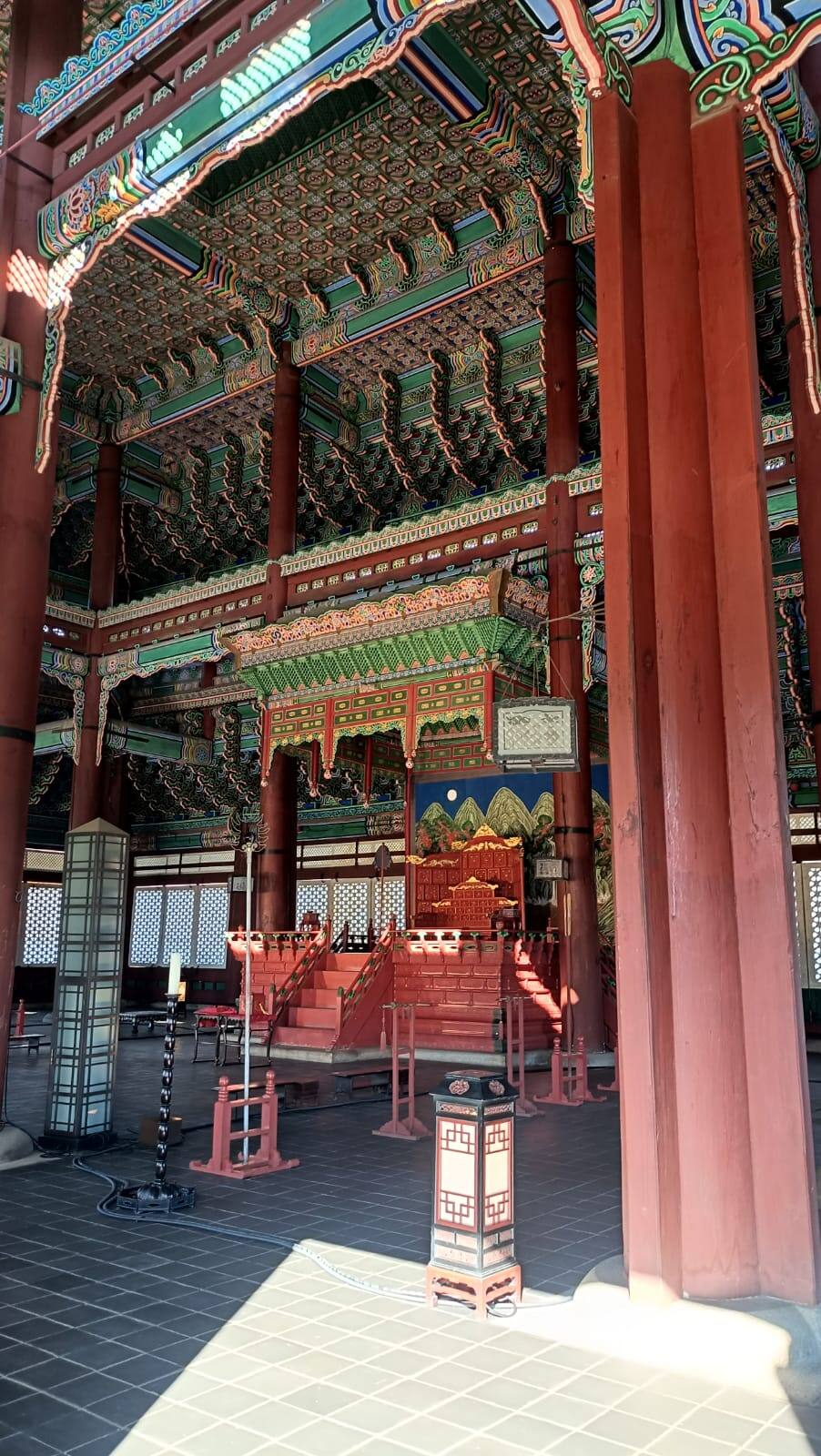
During the Japanese invasions of Korea in 1592, large sections of the palace complex were burned down. Later, during Japan's colonial occupation of Korea in the early 20th century, many palace buildings were demolished, and the Japanese Government-General Building was controversially constructed directly in front of the palace grounds.
In the decades following Korea's liberation, extensive restoration efforts began to reclaim and rebuild the historic complex. Even today, restoration work continues across parts of the palace.
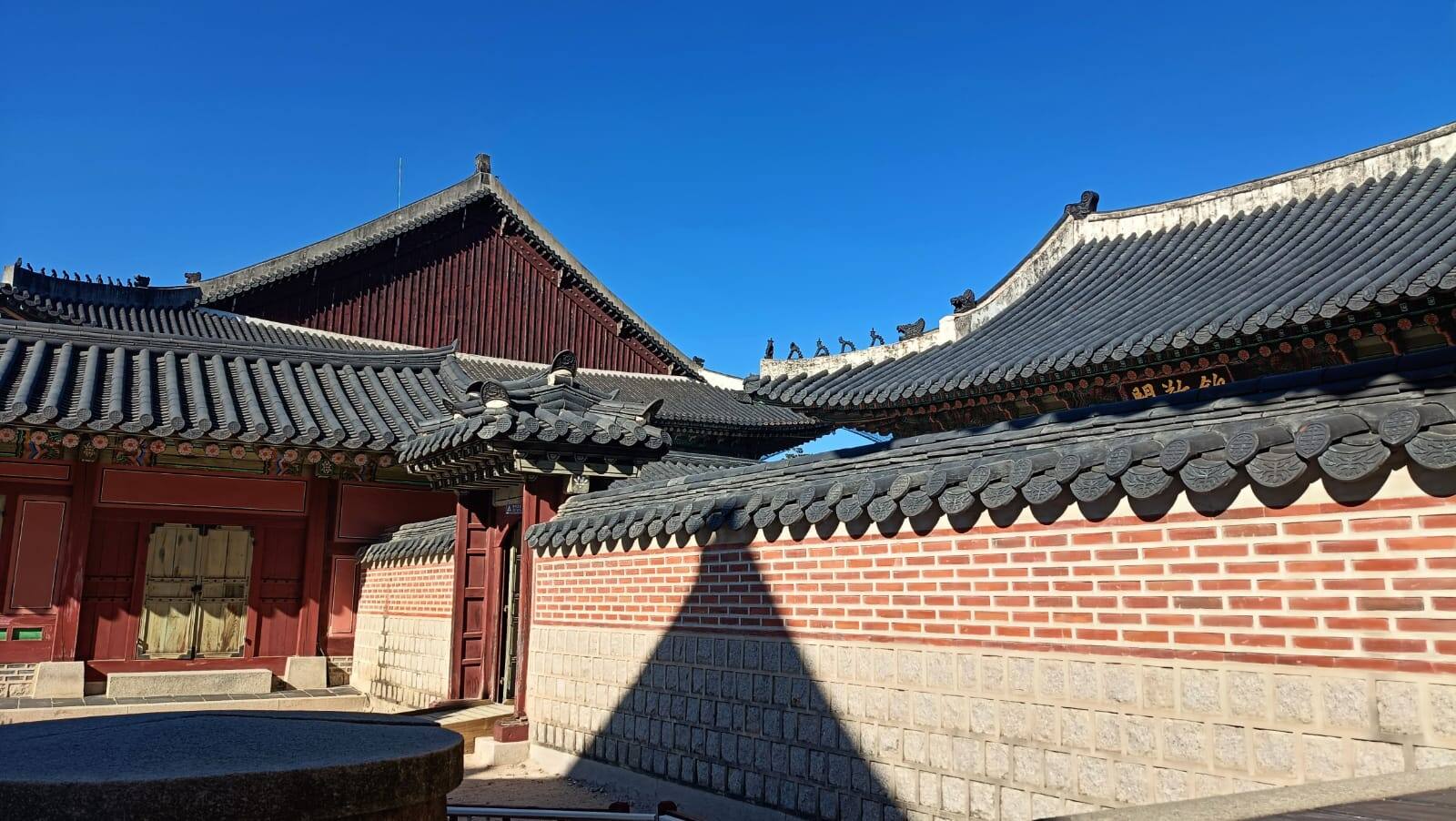
What visitors see now is both a preserved historical landmark and a symbol of Korean cultural identity and resilience.
From Joseon Kings to BTS: Why the Palace Still Matters Today
Gyeongbokgung Palace is no longer just a historical site, it has become one of Seoul's most popular tourist attractions and cultural spaces.
In 2026, BTS further amplified the palace's global visibility when the group used Gyeongbokgung and Gwanghwamun Gate as part of the opening visuals for their ARIRANG tour launch and Seoul performances, blending Korean history with modern pop culture spectacle.
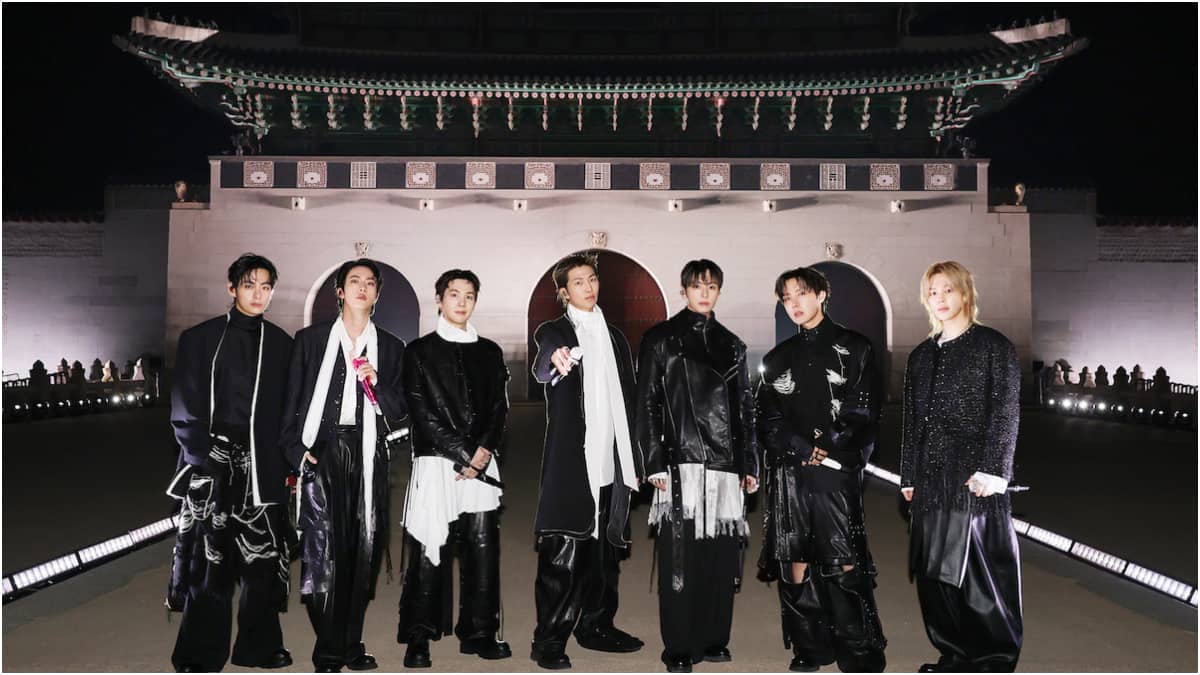
That combination of heritage and modern relevance is precisely what makes the palace so compelling today. One moment, you are standing inside a centuries-old throne hall; the next, you are recognising filming spots from your favourite K-drama or K-pop performance.
Planning a Visit? Here's Everything You Need to Know
Where is Gyeongbokgung Palace located?
The palace is located in Jongno-gu, central Seoul, making it easy to combine with nearby attractions like Bukchon Hanok Village, Insadong and Gwanghwamun Square.
Nearest subway station
The easiest way to reach the palace is via:
-Gyeongbokgung Station (Seoul Subway Line 3), Exit 5
-Gwanghwamun Station (Line 5), Exit 2
Ticket prices
General admission currently costs:
-Adults: 3,000 won
-Children: 1,500 won
-Free entry for visitors wearing traditional hanbok
Tourists planning to explore more of Seoul’s royal heritage can also opt for the Royal Palace Pass, also known as the Integrated Ticket of Palaces. Priced at 10,000 KRW for adults and 5,000 KRW for children, it includes one-time admission to Gyeongbokgung, Changdeokgung, Changgyeonggung, Deoksugung and Jongmyo Shrine, and remains valid for three months from the date of purchase.
Opening hours
The palace generally opens at 9 am, with closing times varying seasonally. It remains closed on Tuesdays.
Changing of the Guard ceremony timings
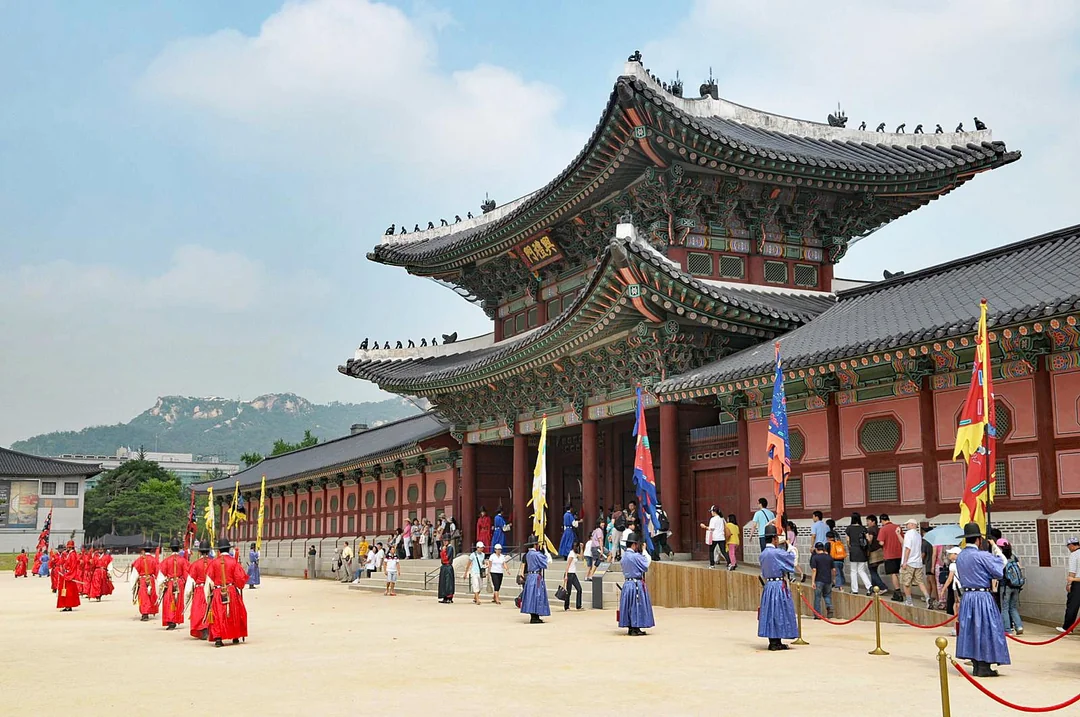
One of the biggest highlights for tourists is the Royal Guard Changing Ceremony held at Gwanghwamun Gate. The ceremony takes place daily at:
-10 am
-2 pm
It usually lasts around 20 minutes. Arriving 10 to 15 minutes early is recommended for a good viewing spot.
Best time to visit
Spring and autumn are widely considered the best seasons to visit Gyeongbokgung Palace, thanks to cherry blossoms, colourful foliage and milder weather. Early mornings on weekdays tend to be less crowded.
Why Every K-Drama Fan Should Visit At Least Once
For K-drama lovers, Gyeongbokgung Palace offers something rare: the chance to walk through a place that feels both historically significant and deeply familiar.
Whether you know it as the palace from My Royal Nemesis, the backdrop to your favourite sageuk romance or the location of BTS' grand performances, the experience of seeing it in person carries a different kind of magic.
Chief Sub Editor with a decade of experience in digital media, known for digging into behind-the-scenes trivia during interviews. Equal parts anime lover and pop-culture nerd, she spends her time ferociously hitting the keyboard, daydreaming between deadlines, travelling, chasing street food, and cracking unapologetically bad jokes.

Trade the hustle for the Shire: Inside the "hobbitmaxxing" trend
Spices, health and the Indian plate: Why chilli can be good for you—but moderation is still key
The right way to break up without feeling groggy
How Spider-Man actor Tom Holland has been on a sobriety journey of 4.5 years after being "addicted to alcohol"
Why Chennai is India's filter coffee capital, one tumbler at a time