


India's most iconic railway stations and the stories behind them
More than transport hubs, these railway stations have become symbols of their cities. From UNESCO-listed landmarks and colonial-era masterpieces to mountain railways, they offer a window into India's architectural heritage, engineering achievements, and enduring love affair with train travel

India's railway network is one of the largest in the world, carrying millions of passengers every day across cities, mountains, deserts, and coastlines. But some stations have become much more than transport hubs. Through their architecture, history, cultural significance, or sheer scale, they have become landmarks in their own right.
Here are eight of India's most iconic railway stations and the stories that make them special.
Chhatrapati Shivaji Maharaj Terminus, Mumbai
Few railway stations are as recognisable as Chhatrapati Shivaji Maharaj Terminus (CSMT). Built in 1887, the station is a masterpiece of Victorian Gothic Revival architecture blended with Indian influences. Its domes, turrets, stained-glass windows, and intricate stone carvings have made it one of Mumbai's defining landmarks.
 More from Lifestyle
The station was designated a UNESCO World Heritage Site in 2004 and continues to handle millions of commuters every year, proving that heritage and functionality can coexist.
Howrah Junction, Kolkata
Located on the banks of the Hooghly River, Howrah Junction is among India's oldest and busiest railway stations. Opened in 1854, it serves as the primary gateway to eastern India and has witnessed generations of travellers arriving in and departing from Kolkata.
Its close association with the iconic Howrah Bridge has made it one of the most recognisable railway stations in the country.
New Delhi Railway Station
For many travellers, New Delhi Railway Station is their first introduction to India's capital. It is among the busiest railway stations in the country and serves as a crucial junction connecting northern, southern, eastern, and western India.
The station handles hundreds of trains daily and plays a central role in keeping India's vast railway network moving.
Chennai Central
With its striking red-brick façade and clock tower, Chennai Central is one of South India's most famous landmarks. Designed by British architect George Harding and opened in 1873, the station has long served as a major gateway to southern India.
Its architecture has become so closely associated with Chennai that it frequently appears in films, television shows, and tourism campaigns.
Charbagh Railway Station, Lucknow
Often described as one of India's most beautiful railway stations, Charbagh Railway Station is known for its stunning Indo-Saracenic architecture. Completed in 1914, the building features domes, arches, and elegant symmetry that make it resemble a palace more than a transport hub.
The station reflects Lucknow's rich architectural heritage and remains one of the city's most photographed landmarks.
Darjeeling Railway Station
Darjeeling Railway Station is best known as a stop on the famous Darjeeling Himalayan Railway, popularly known as the Toy Train. Built in the late nineteenth century, the railway remains one of India's most celebrated engineering achievements and is recognised as a UNESCO World Heritage Site.
The station's old-world charm and scenic surroundings continue to attract travellers from around the world.
Ghum Railway Station
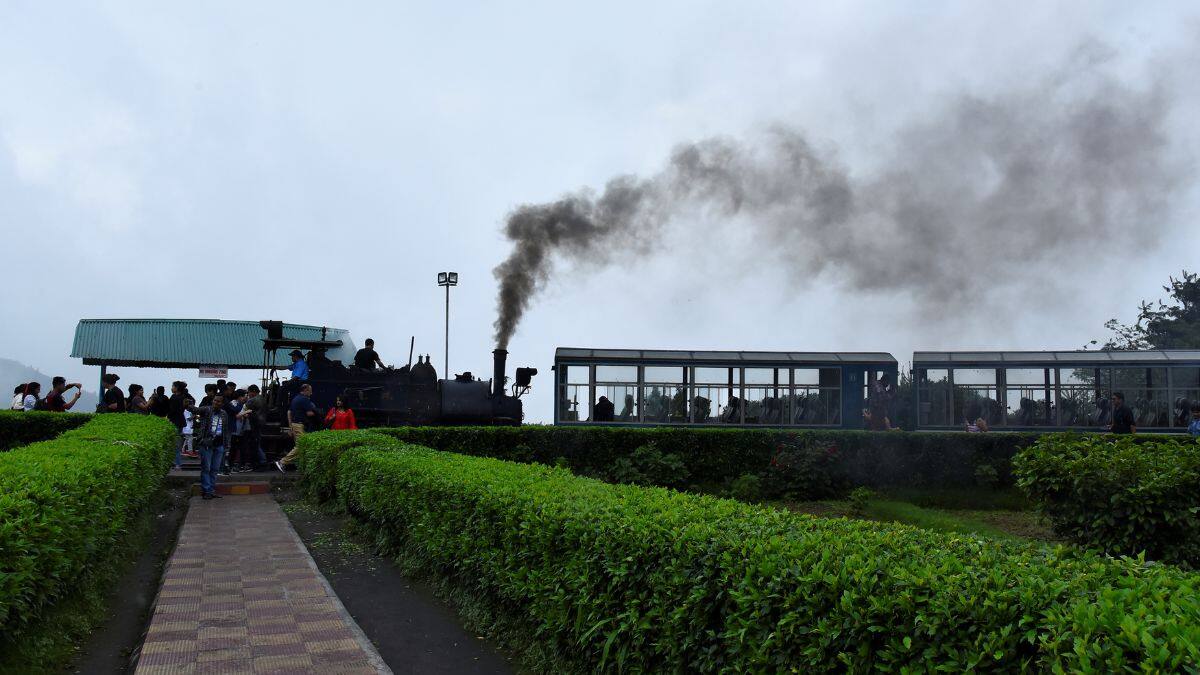
Located at an altitude of over 2,200 metres, Ghum Railway Station is among the highest railway stations in India. Also part of the Darjeeling Himalayan Railway, it offers spectacular views of the surrounding mountains and has become a favourite among railway enthusiasts.
Despite its small size, Ghum occupies a special place in India's railway history because of its location and engineering significance.
Kanyakumari Railway Station
Situated at the southern tip of mainland India, Kanyakumari Railway Station is famous for its geographical significance. It serves as the starting or ending point for several long-distance train routes that traverse the length of the country.
For many travellers, arriving in Kanyakumari by train marks the completion of one of India's most memorable rail journeys.

Trade the hustle for the Shire: Inside the "hobbitmaxxing" trend
Spices, health and the Indian plate: Why chilli can be good for you—but moderation is still key
The right way to break up without feeling groggy
How Spider-Man actor Tom Holland has been on a sobriety journey of 4.5 years after being "addicted to alcohol"
Why Chennai is India's filter coffee capital, one tumbler at a time