


India is the world’s second loneliest country: Experts weigh in on health risks of loneliness, when to seek help
Loneliness is often dismissed as a passing emotion, but mental health experts warn it can have serious consequences for both mind and body. As a recent global survey ranks India among the world's loneliest nations, psychiatrists explain what loneliness really means, how to spot the warning signs, and when to seek help

In an increasingly hyperconnected world shaped by social media and technology, reports suggest that loneliness is emerging as a major public health concern.
A recent global survey by digital entertainment platform JB.com ranked India as the world's second loneliest country among 36 nations surveyed.
Turkey topped the list, followed by India, while Brazil, South Africa and South Korea rounded out the top five. The study found that 37 per cent of Indians frequently experience sadness, the highest among the five countries, pointing to deeper emotional distress.
Perhaps the most striking finding was that loneliness in India persists despite relatively strong family structures.
"This suggests loneliness in India is emotional rather than physical," the report noted.
Loneliness is a term we use casually in everyday conversations. Yet mental health experts say its implications can run far deeper than most people realise.
 More from Lifestyle
Experts say the findings reflect a growing challenge in urban India, where changing lifestyles, urban isolation and digital interactions are contributing to feelings of emotional isolation.
What exactly is loneliness?
One of the biggest misconceptions about loneliness is that it is simply about being alone.
In reality, loneliness is more psychological than physical. A person may be surrounded by family, friends or colleagues and still experience profound feelings of disconnection.
"You can sit in a full room and still feel invisible. Loneliness isn't about how many people are around you. It's about whether you feel genuinely seen and connected. That gap between the connection you want and what you actually have, that's loneliness," says neuropsychiatrist Dr Amrit Pattojoshi.
Psychiatrist and psychosexual medicine specialist Dr Aninda Sidhana says loneliness and solitude are often confused.
"Loneliness is a multidimensional construct that alters our cognitive, behavioural, and emotional states. Solitude, on the other hand, is a geographical space that we step into deliberately for peace."
The early warning signs of loneliness
Experts say loneliness rarely appears overnight. More often, it creeps in quietly and can be mistaken for stress, tiredness, or simply having a bad week.
Have you ever found yourself constantly cancelling plans, feeling unseen in a room full of people, or struggling with a persistent sense of emotional disconnect? Mental health experts say these could be early signs that loneliness is beginning to take a toll on your wellbeing.
Dr Pattojoshi says, "Low mood that won't lift. Feeling like a burden. Withdrawing from people. Scrolling for hours but feeling worse after. Trouble sleeping. Minor illnesses piling up. These are the quiet signs. Most people don't name it. They just feel off."
While these experiences may appear temporary or insignificant, experts caution against dismissing them. Recognising these warning signs early, they say, is important because prolonged loneliness can affect not only mental health but physical health as well.
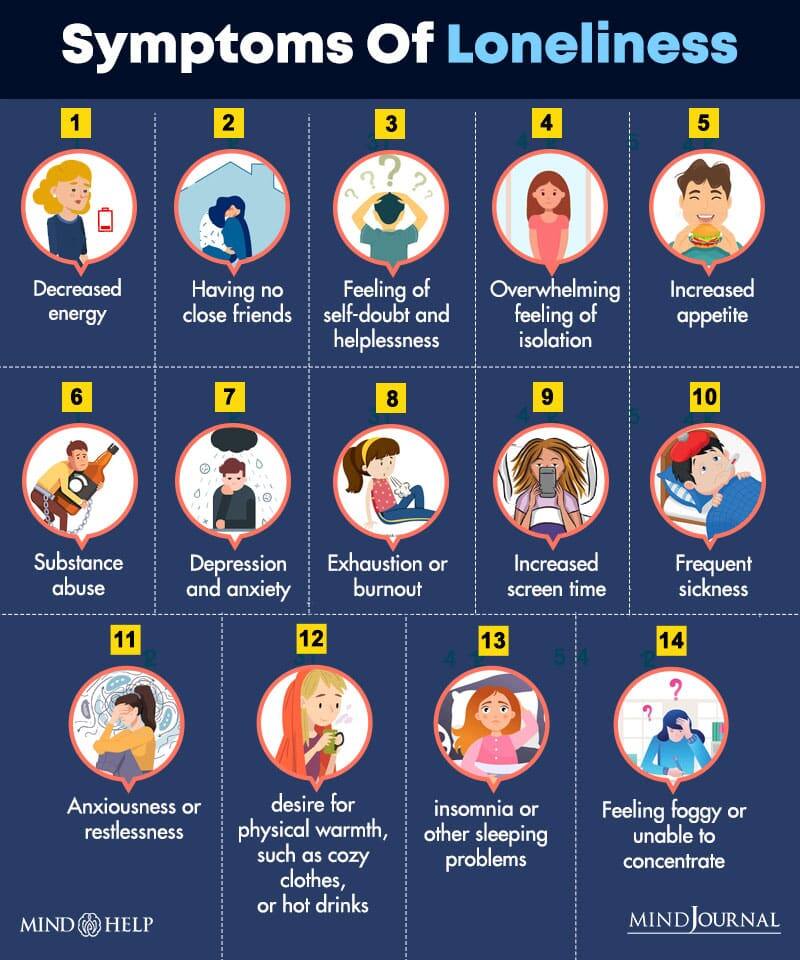
Why chronic loneliness should not be ignored
While loneliness is often treated as a temporary emotional issue, experts warn that prolonged loneliness can have serious health consequences.
"Our psychiatric data confirms that chronic social disconnectedness is a primary driver of major depressive disorders. If a person is always lonely, their predicted probability of developing clinical depression rises to 50.2%, compared to just 9.7% if they are never lonely. That is a public health crisis hiding in plain sight," says Dr Sidhana.
Dr Pattojoshi adds that loneliness affects far more than mental wellbeing.
"Chronic loneliness keeps your stress hormones running high. Over years, that raises your risk of heart disease, weakened immunity, depression, and even faster cognitive decline."
Despite India's reputation for strong communities and close-knit families, experts say loneliness is becoming increasingly common.
Who is most vulnerable?
Although loneliness can affect anyone, some groups may be at greater risk.
"Young people who’ve moved to cities alone. Elderly parents whose children live far away. Women whose world has shrunk after marriage or relocation. Students who are under pressure with no one safe space to share their thoughts. People with mental illness, already isolated by stigma. The list is longer than we admit," says Dr Pattojoshi
Why social media cannot replace real connections
Technology has made communication easier than ever before, but experts caution that online interactions are not always meaningful connections.
Dr Pattojoshi observes that social media "offers contact, not connection. Scrolling through other people's highlight reels doesn't calm your nervous system. A caring hand on the shoulder does things no message notification can. We've confused being reachable with being close."
Dr Sidhana puts it bluntly, "We are the saddest and loneliest generation in a highly connected digital world with the happiest faces on Facebook."

Practical steps to cope
While loneliness can feel overwhelming, experts say meaningful connection is often built through small and meanginful steps. Dr Sidhana suggests focusing on what she calls the "MIND" approach, which includes mastering negative thought patterns, integrating self-care, nurturing deeper relationships and developing resilience.
Experts and research stresses that quality matters more than quantity when it comes to social connections.
Dr Pattojoshi says, "Go deep, not wide. One real conversation beats fifty reactions."
Rejoining a community activity, volunteering, taking up a class, exercising regularly or simply picking up the phone instead of sending a text can also help rebuild a sense of connection. Journaling and engaging in mindfulness can also prove to be beneficial.
When should you seek professional help?
Experts emphasise that loneliness is treatable and that seeking support should not be viewed as a sign of weakness. However, there comes a point when loneliness moves beyond a temporary feeling and begins affecting daily life.
According to Dr Pattojoshi, professional help should be considered if feelings of sadness or emptiness persist for weeks, if a person begins withdrawing completely from social interactions, or if loneliness starts interfering with work, studies, relationships, or routine responsibilities. Other warning signs include turning to alcohol or substances to cope, feeling hopeless about the future or experiencing thoughts of self-harm, even fleeting ones.
"If loneliness is running your decisions and making you hide, drink, or give up, that's the moment to reach out," he says.
If you or someone you know is struggling with loneliness or emotional distress, support is available through Tele-MANAS, the national mental health helpline initiative of the Ministry of Health and Family Welfare. Toll-free helpline: 14416 or 1-800-891-4416.
An aspiring globetrotter, Arpita Chowdhury is a writer, poet, and researcher with a strong grounding in human-interest storytelling. She holds an MA in Journalism and International Affairs from University College Dublin, completed in collaboration with the CNN Academy. Her reporting and commentary have appeared in several national and international dailies, spanning travel, culture, politics, and people-centric narratives. Powered by adrak chai, she is always chasing stories that connect place with people. Reach her at arpita.chowdhury2@nw18.com
Tags

Trade the hustle for the Shire: Inside the "hobbitmaxxing" trend
Spices, health and the Indian plate: Why chilli can be good for you—but moderation is still key
The right way to break up without feeling groggy
How Spider-Man actor Tom Holland has been on a sobriety journey of 4.5 years after being "addicted to alcohol"
Why Chennai is India's filter coffee capital, one tumbler at a time