


Why Indians are spending Rs 50,000 to run a race
Hyrox, an international gym race, is catching up among Indian fitness enthusiasts. However, it is an expensive affair, with registration alone costing anywhere between Rs 7,500 and Rs 9,000. What makes it so popular, and is it just another fad?

It’s pegged as the “fitness competition for every body”. Hyrox, a gym race, is growing in popularity in India. After three modestly attended events, the global fitness platform came into its own in Bengaluru last month. About 8,200 people attended the edition, with many spending up to Rs 50,000 for the weekend.
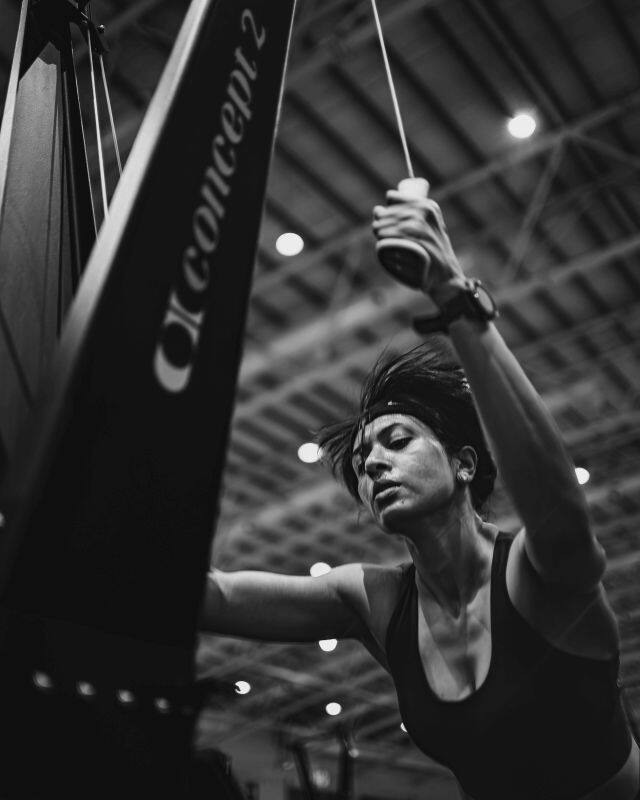
What exactly were all these people, a significant number of them between 20 and 35, doing at the Bangalore International Exhibition Centre? The format is simple: Eight runs of one kilometre each, interspersed with eight functional workout stations, benchmarked against a global standard. Participants can compete solo, in doubles, or as a relay team.
 More from Lifestyle
What began as a single event in Hamburg in 2017 is now held in over 30 countries. India joined in May last year. Hyrox reported revenues of $130 million in 2025, and by the end of this year, it estimates participation from about 1.3 million athletes in 85 cities.
“Gym-goers never had a race,” says Deepak Raj, a triathlete who heads Hyrox in India. “It had worked in other countries; why would it not work here? That was my simple hypothesis.”
The Hyrox economy
Hyrox is both a social media spectacle and a consumption engine. “We put up a very good-looking studio where you can come and race,” says Raj. Unlike a road race, where runners disappear into the city for hours, Hyrox is entirely contained. Spectators can watch a participant at every kilometre mark and for the full duration of every workout station. Every grimace, every finish line moment is on camera, exclaims Raj. The user-generated content that follows does more for the sport’s growth than any marketing campaign.
The Bengaluru edition contributed an estimated Rs 32 to Rs 36 crore to the local economy, claims Raj, and that’s because 46 per cent of participants travelled from outside the city. Most of them ended up spending between Rs 30,000 and Rs 50,000, with registration alone costing between Rs 7,500 and Rs 9,000, and flights, accommodation, and the months of training at Hyrox-affiliated gyms that precede race day making up the rest.
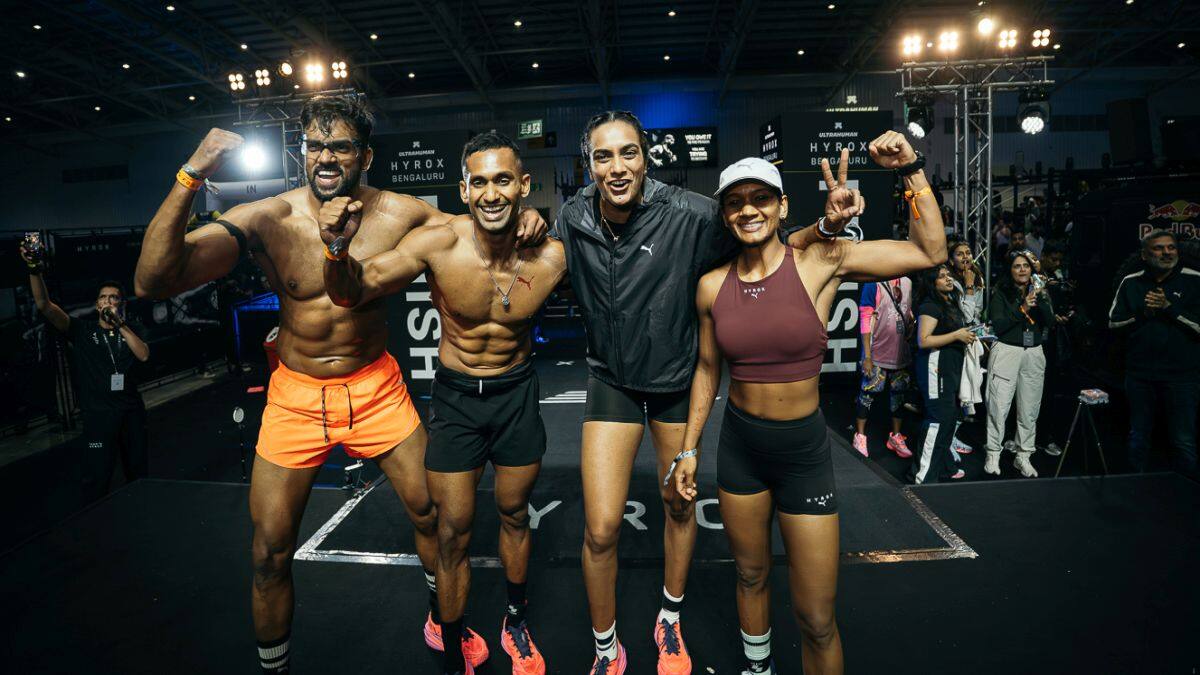
Close to 100 gyms across the country are now affiliated with the platform, offering Hyrox-specific training and certifications. And now, there are shoes designed specifically for Hyrox — built to handle both running and functional training — priced between Rs 17,000 and Rs 23,000.
Fitness and beyond
What’s the draw for participants? It is not fitness alone.
Commercial disputes lawyer Jayashree Parihar says that she participates in Hyrox because of the “feel” of it. “It’s competition, community, social experience, all rolled into one.”
Delhi-based Parihar also points to the format's flexibility as a key reason for its growing appeal. People show up with partners, friends, training buddies, even parents. “It’s that feeling of sufferance and pain-sharing together,” she says.
A former track athlete who played at the nationals as a teenager, Parihar didn’t compete in anything for 13 years. She has participated in two Hyrox events so far, and is signed up for the upcoming Delhi edition in July. Since getting serious about the sport, she has sharply cut her spending on social events.
Marathoner and Google staffer Sahil Sharma has complemented his routine with endurance training in the last two years to better adapt to Hyrox. "Growing up in India, we competed only in studies and academics. We never had that experience of pushing ourselves in sport, improving, or getting recognised for it. That hidden feeling is now coming out through this platform,” says Sharma, who is based in Gurgaon and spent close to Rs 45,000 on the Bengaluru edition. “People spend on expensive watches and cars. I don’t. This gives me a sense of purpose.”
The bigger picture
India’s fitness industry is projected to more than double by 2030 — from Rs 16,200 crore to Rs 37,700 crore, according to a 2025 Deloitte report. Only 15 per cent of Indians currently pay to work out. Hyrox taps into this demographic.
However, when it comes to participative fitness, Hyrox is not the only game in town. Cult, among India’s largest fitness platforms, holds ticketed fitness championships such as Cult Unbound. Earlier this year, the community-led Carnival in Bengaluru was launched.
Zeba Zaidi Adeeb, co-founder of Gurgaon-based Spectacom Global, has been running participative fitness events in India since 2012 – first, with Devil’s Circuit, an obstacle race now held across 12 cities, and Yoddha Race, a homegrown Hyrox competitor with a Rs 30 lakh prize pool, that drew in about 20,000 participants last year across six cities.
Adeeb doesn’t see the rise of ticketed events as a trend. “The more dependent on technology we are becoming, the more we crave communities and experiences that allow us to connect with other people,” she believes. “We are becoming more and more isolated. I see this as an outlet."
Not everyone is as enthused. Haseeb Bhatt, a 22-year-old endurance athlete and financial analyst from Pune, came first in his age category in Bengaluru but missed his flight waiting for the podium ceremony. He spent Rs 35,000 on the weekend. "There is a sense of achievement,” he says. “But in the end, you just get a flag. For youngsters like me, prize money or some form of recognition would go a long way.”
Another fitness fad?
The rise of Hyrox might look like a metro story, but the Bengaluru event saw representation from about 240 towns, says Raj. These included Rishikesh, Gangtok, and Chengalpattu. Rohtak alone sent 38 participants. The numbers are expected to grow.
Then, the big question remains: Is this another fad? Mumbai-based exercise scientist Benafsha Gazdar, who has trained the Indian women’s cricket team, says that it is too early to say. She points out that marathons, too, started as a trend. “Some trends die because they aren’t sustainable. Others become permanent, but what’s clear is that Indians are spending serious money on fitness.”
Raj says the propensity to spend on health and fitness has always been there. “People are already paying Rs 1,500 to Rs 2,500 per session for personal trainers. We are just giving them an experience, which is also a milestone.”
The first three Hyrox events failed to attract title sponsors, but now, brands are showing interest, and Hyrox India is looking at more cities and longer formats. In July, Delhi will host a three-day event, and in September, Mumbai will host a four-day one.
The aim is to take it even further. “London was an eight-day event with 50,000 people,” Raj says. “That’s where we want to go.”
Tags

Trade the hustle for the Shire: Inside the "hobbitmaxxing" trend
Spices, health and the Indian plate: Why chilli can be good for you—but moderation is still key
The right way to break up without feeling groggy
How Spider-Man actor Tom Holland has been on a sobriety journey of 4.5 years after being "addicted to alcohol"
Why Chennai is India's filter coffee capital, one tumbler at a time