


Uncovering the hidden history of Che Guevara’s last surviving allies
A new documentary at the Cannes Film Festival gives fresh insights into the execution of Che Guevara in Bolivia and the escape of six of his last companions.

On October 8, 1967, Che Guevara was in Bolivia with 17 other guerrillas in a mission to continue the revolution they had successfully started with Fidel Castro in Cuba eight years before.
About 400 soldiers of the Bolivian army aided by the Central Intelligence Agency (CIA) were closing in on them in the Churo ravine near La Higuera village.
Che or Ernesto 'Che' Guevara, the most recognisable revolutionary on the earth, was hit in the leg by a bullet that destroyed his gun's magazine. Soon he would be separated from the rest of the guerrillas.
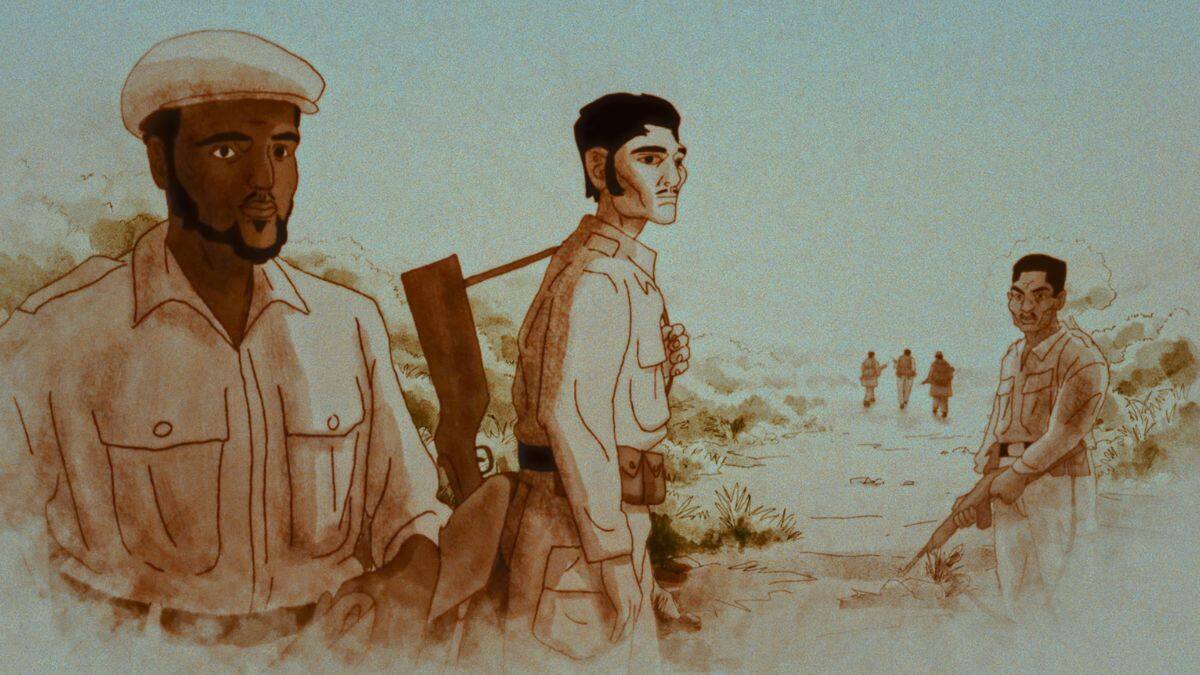
Only six members of Che's group survived the Bolivian army's attack that day. They would begin an improbable escape chased by the CIA and 4,000 Bolivian soldiers for four-and-half months and traversing 2,400 km to reach neighbouring Chile where its future president Salvador Allende waited to receive them.
 More from Lifestyle
Che was not so lucky. Detained by the Bolivian army, he was locked in a local school in the village square with his hands and legs tied and his captors unable to decide what to do with their famous prisoner.
On October 9, 1967, the order for execution came from Bolivian president René Barrientos, the military leader and architect of a coup three years before. Mario Terán, a Bolivian soldier, volunteered to carry out the execution.
New documentary, fresh insights
The execution of Che and the daring escape of the six guerrillas is the subject of a new documentary on the Argentine revolutionary, friend of Fidel Castro and former minister of Cuba, which had its world premiere at the 79th Cannes Film Festival this week.
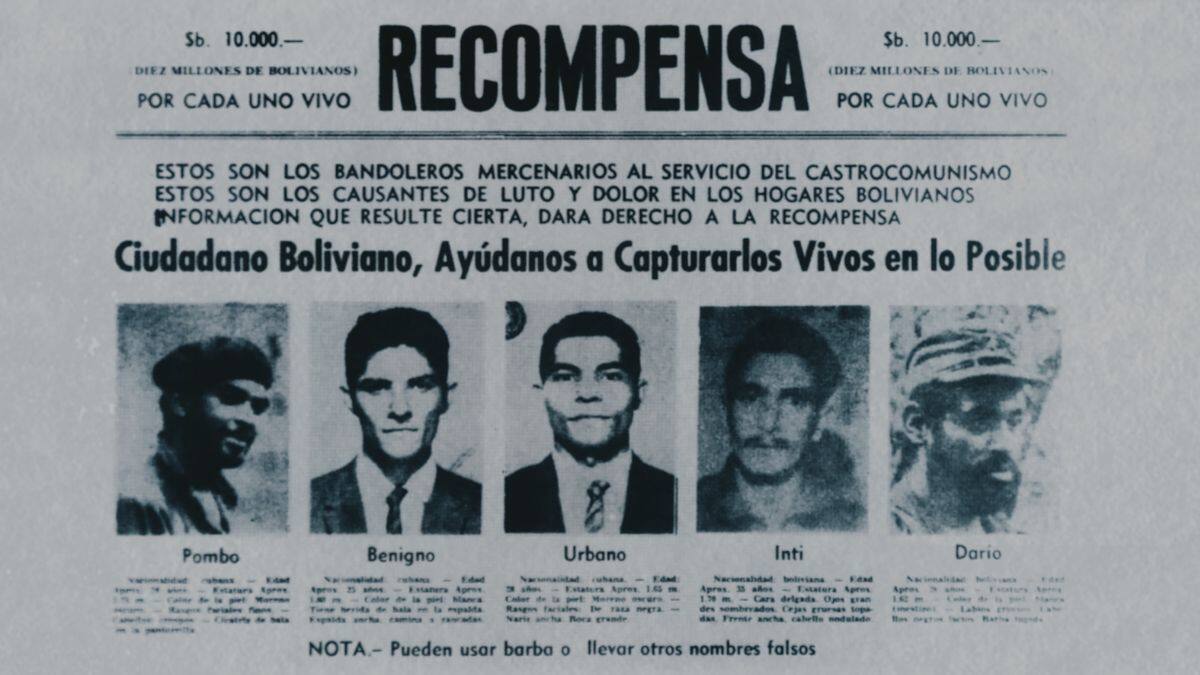
Che Guevara: The Last Companions, which is part of the Special Screenings section of the Cannes festival (May 12-23), uses never-seen-before archival material and interviews to replay the last days of Che and offer new insights into his revolutionary movement.
"We didn't know Che was locked in a school in the village square. Otherwise we would have rescued him," says Benigno, one of the last companions of the revolutionary in the documentary.
It was an improbable idea too. Though the six guerrillas holed up in a hill overlooking the village square where Che was locked up had an aerial advantage, a 2,000-strong Bolivian army was present to thwart any incursion.
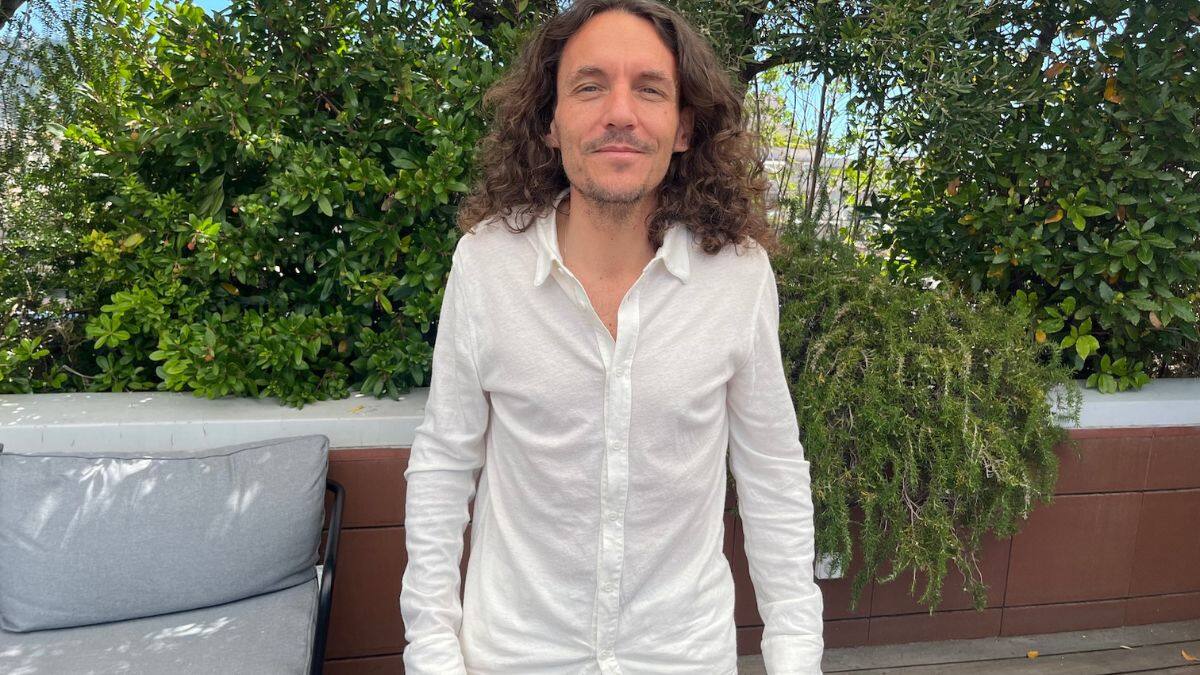
Directed by French filmmaker and actor Christophe Dimitri Réveille, the 98-minute documentary, which premiered in Cannes on the day the American government indicted Fidel Castro's brother and former Cuban president Raul Castro, shows the last companions of Che recalling his last days and the philosophy of the movement he led.
The last companions of Che Guevara
The protagonists of Che Guevara: The Last Companions are chiefly three Cuban revolutionaries — Pombo, the right hand of Che, Urban, the risk-taker, and Benigno, an advanced guardsman.
The rest of the six last companions of Che are three Bolivian revolutionaries recruited by him — Inti, the guerrilla political commander, El Nato, a resourceful and ever-ready, jack-of-all trades, and Dario, a silent type and fearsome guerrilla.
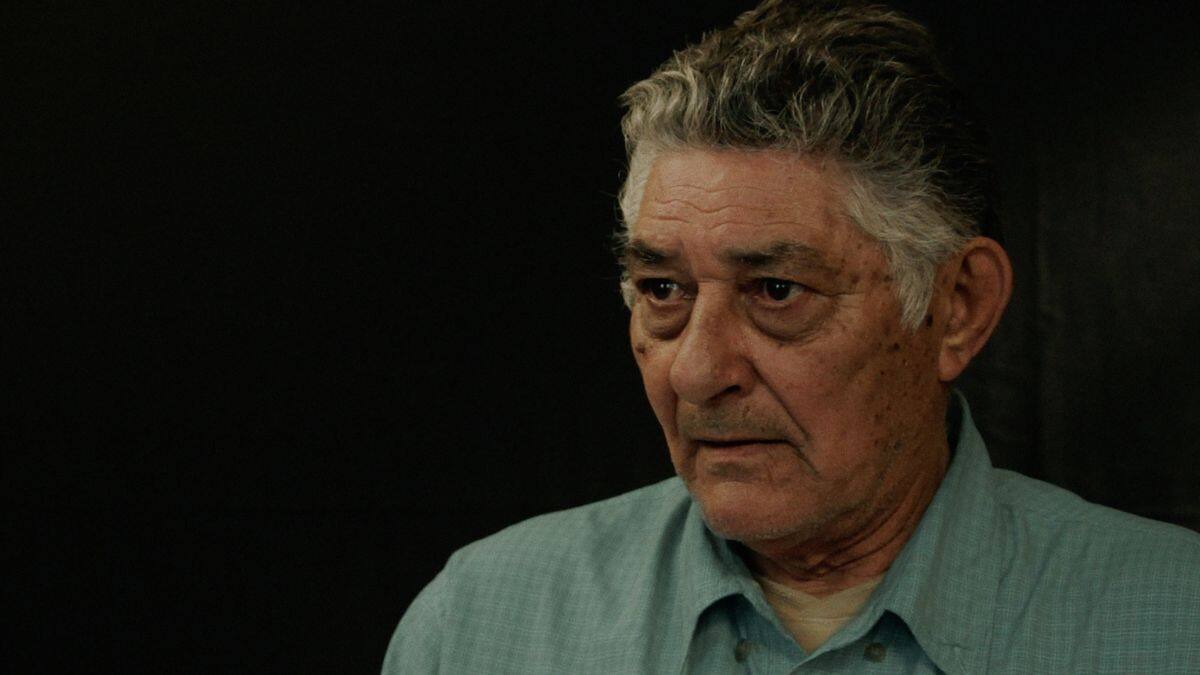
After the capture of Che, the six guerrillas are left on their own in the treacherous Churo ravine without their leader. They soon hear on Benigno's radio that Che is seriously injured with his whereabouts unknown.
"We knew we had to first cross the border and inform Castro what happened to Che," says Pombo in one of the interviews director Réveille conducted with the last surviving companions of Che.
The documentary touches the historical background of South and Central America in the 1950s, a playground of the United States steeped in poverty and ruled by dictators.
"What is important is not weapons, but the determination to fight tyranny," Che declared after Cuba was liberated on January 8, 1959. As the American economic blockade on Cuba begins, Castro turns to the Soviet Union for help. Not finished with revolution, Che seeks revolutions in the "Global South" by uniting Asia, Africa and Latin America to end colonialism and imperialism.
When Che entered Bolivia in 1966, all South American countries, except Chile, were under dictatorships. Bolivian president Barrientos informs the US about Che's presence in his country and the Green Berets, the Special Forces, are soon sent to train the Bolivian army to capture and kill Che.
The great escape of Che's companions
The great escape of the last companions of Che after his capture and execution in Bolivia in 1967 too has its tragic moments. When El Nato, the Bolivian revolutionary, is seriously injured and unable to move, he is shot dead by Benigno to honour a pact.
When they crossed into Chile on February 23, 1968, the other two Bolivians would stay back in their country to continue the struggle started by Che. Flown to Cuba to meet Castro, the remaining revolutionaries are joined by Allende, who was then the president of the Senate of Chile and the opposition leader. One of their stops on the way to Paris before arriving in Cuba, is Colombo in Sri Lanka.
Inti and Dario, who remained behind in Bolivia, would be executed by the Bolivian army in 1969. Urbano would go on to become a member of the Cuban parliament.
"The young people today don't know much about Che," says the documentary's director Réveille, who spent 22 years working on the project. "But I hope this kind of movie, mine and others', will help them learn about him. Not only about him, but the people in the shadows making revolutions," adds Réveille, who first went to Cuba as a 19-year-old with his father to witness the making of history when Che's remains were brought to Havana from Bolivia in 1997.
"It's really important is to talk about the ordinary person in the world who's fighting every day to make change," adds the filmmaker who traced Che's last companions and even some of the Bolivian army officers and CIA agents involved in his capture for the documentary. Adds Réveille, "Often when people start a revolution, the revolution betrays them in the end. But I want them to be able to succeed."

Trade the hustle for the Shire: Inside the "hobbitmaxxing" trend
Spices, health and the Indian plate: Why chilli can be good for you—but moderation is still key
The right way to break up without feeling groggy
How Spider-Man actor Tom Holland has been on a sobriety journey of 4.5 years after being "addicted to alcohol"
Why Chennai is India's filter coffee capital, one tumbler at a time