


7 incredible animals that fool enemies with fake eyes
What if the eyes of an animal you are looking at are not real at all? Across forests, oceans, and grasslands, several animals use fake eyes, hidden markings, and clever optical illusions to confuse attackers and stay alive. From butterflies to wild cats, these fascinating creatures have turned deception into one of nature’s smartest survival tricks

In the wild, survival often depends on how well an animal can avoid becoming another creature’s next meal.
Over time, animals have developed clever defence techniques to confuse predators, blend into their surroundings, and escape danger. One of the most fascinating among them is the use of fake eyes and eyespots.
While it may sound unusual, this trick is one of nature’s smartest survival tools. These are not real eyes, but markings and patterns that create an optical illusion.
Many species use what scientists call disruptive eye masks, which are special camouflage patterns that hide the real eye.
Since eyes are naturally dark, round, and easy to notice, predators often target them first. To avoid this, some animals have stripes or markings running across their eyes to break up their shape and make them harder to spot.
 More from Lifestyle
Certain fish, butterflies, moths, and birds also use large eyespots to appear bigger or more dangerous than they actually are. Studies suggest these markings help improve survival by distracting predators or redirecting attacks toward less important body parts.
From brightly coloured wings to hidden markings on fur and scales, nature has turned illusion into a powerful defence strategy. Here’s a look at seven incredible animals that fool enemies with fake eyes.
1. Four-Eyed Butterflyfish
This fish has a dark spot near its tail that looks like a real eye. Predators often get confused about which side is the head, giving the fish time to escape.
Its real eye is hidden by a black band across the face. The fish lives in warm coral reefs in the Caribbean Sea and the Atlantic Ocean.
2. Serval
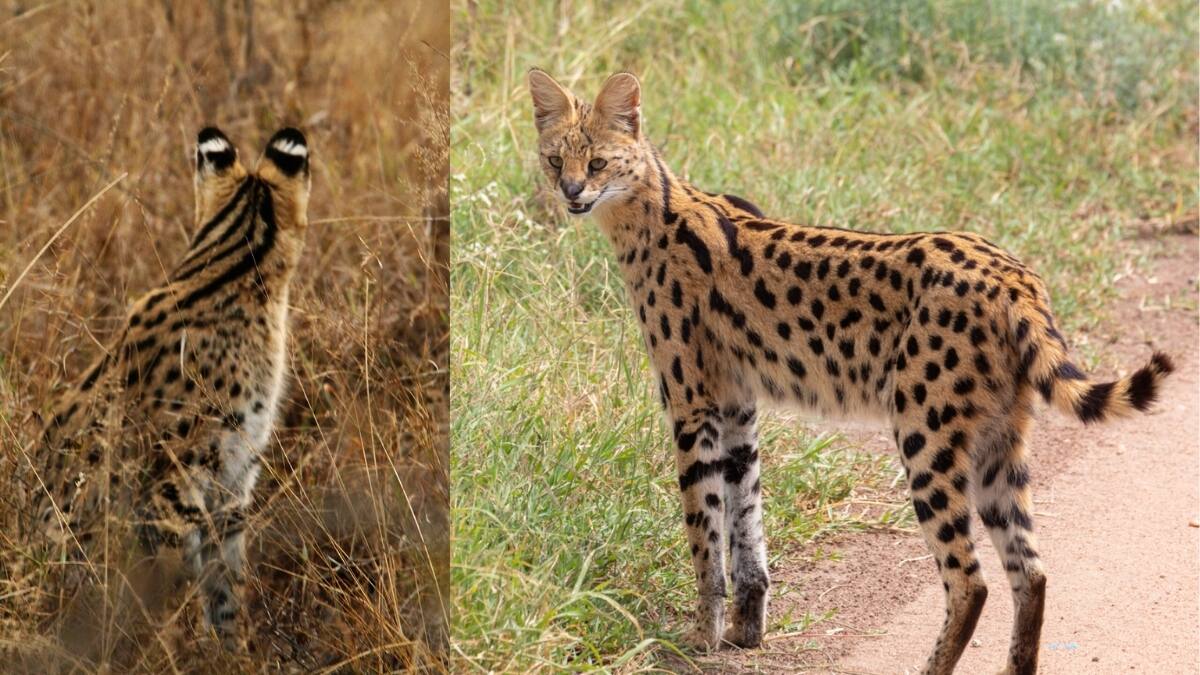
The serval, a wild small cat has white marks behind its ears that can look like eyes from a distance. These markings may confuse predators or make other animals think the cat is alert.
It has long legs, large ears, and a spotted coat that helps it blend into tall grass. Servals usually live in wetlands, grasslands, and savannas across Africa.
3. Pygmy Owl
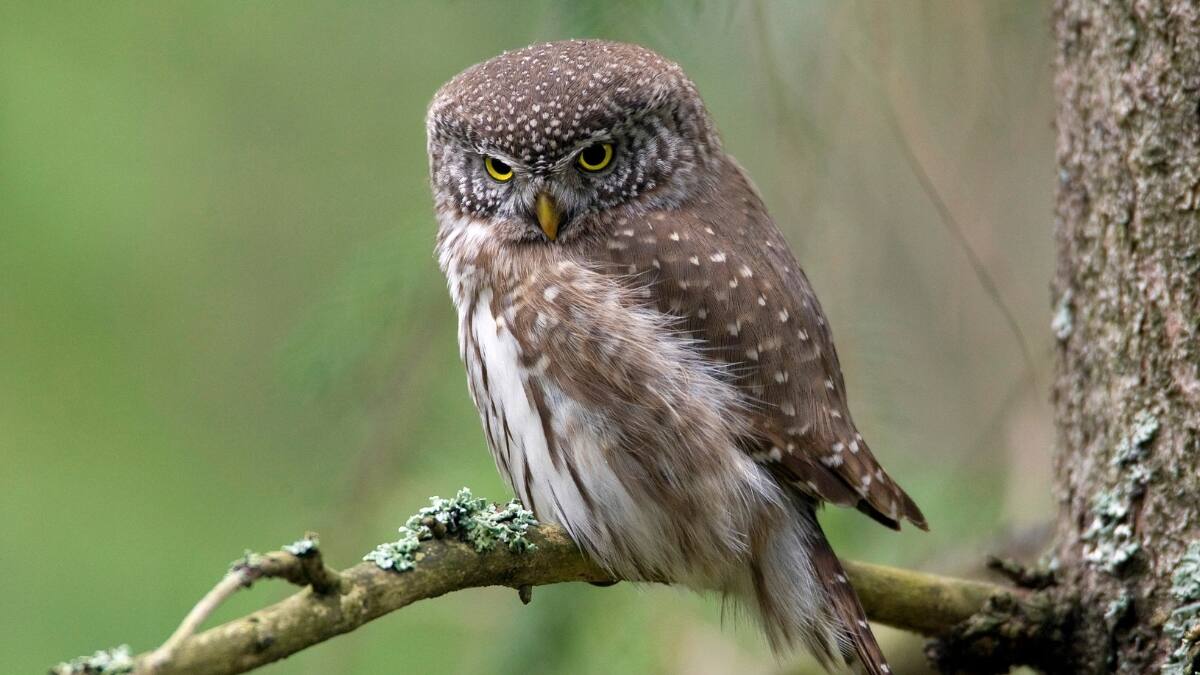
The pygmy owl has black marks on the back of its head that look like large eyes. Other animals think the owl is watching them, so they avoid attacking it.
These fake eyes stand out because of the white feathers around them. Pygmy owls are mostly found in forests and mountain regions in Europe, Asia, and North America.
4. Io Moth
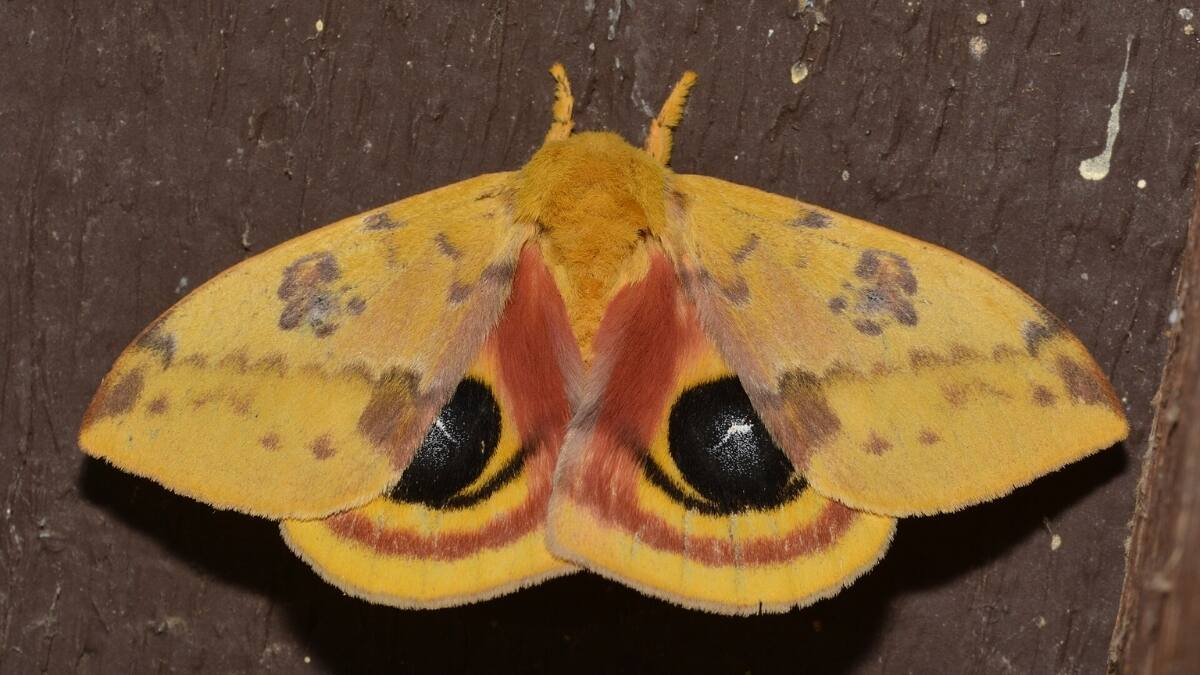
When danger comes close, this moth opens its wings to show large eyespots. The sudden display frightens predators and helps the moth stay safe.
The eyespots have bright colors such as blue, yellow, black, and white. Io moths are commonly seen in forests, gardens, and wooded areas in North and Central America.
5. Sand Lizard
The sand lizard uses spotted patterns on its body to confuse enemies. These markings help it hide among sand and dry grass.
Its rough skin is usually green and brown, which works as natural camouflage. Sand lizards are found in sandy grasslands, dunes, and heathlands in Europe and western Asia.
6. Grey Hairstreak
This butterfly has tiny false eyes near the back of its wings. Birds often attack the wrong side, allowing the butterfly to escape.
Its small tails move in a way that makes the rear look like a real head. Grey hairstreak butterflies live in gardens, fields, and open spaces across the Americas.
7. Peacock
The peacock spreads its tail feathers to show many bright eyespots. These patterns can scare predators and also attract female peacocks.Its shining blue and green feathers become more visible during displays.

Trade the hustle for the Shire: Inside the "hobbitmaxxing" trend
Spices, health and the Indian plate: Why chilli can be good for you—but moderation is still key
The right way to break up without feeling groggy
How Spider-Man actor Tom Holland has been on a sobriety journey of 4.5 years after being "addicted to alcohol"
Why Chennai is India's filter coffee capital, one tumbler at a time