
Advertisement


Sections
Balanced Funds: Why, when, and who?

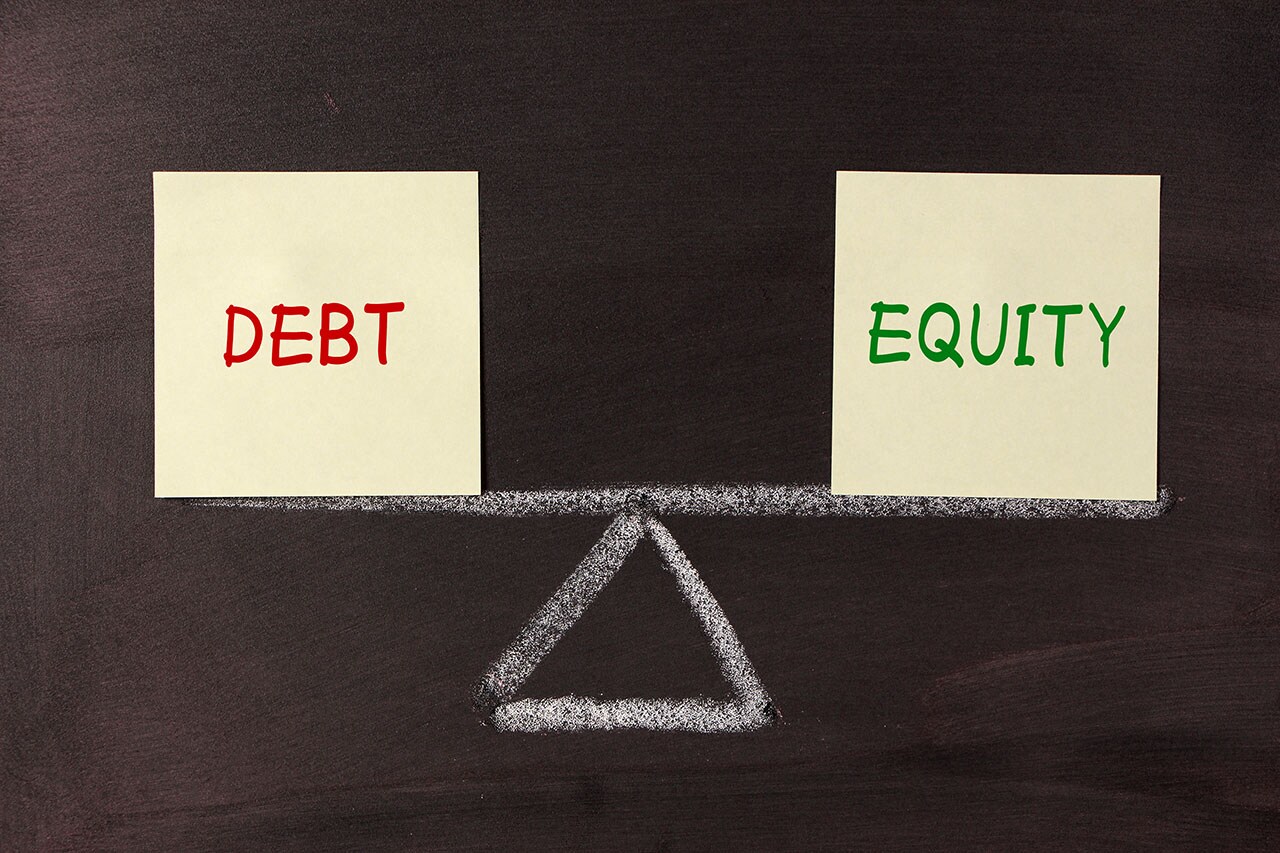
When it comes to money, usually investors have to choose between a pair of factors like risk or return; safety or growth; equity or debt, so on and so forth. However one may not always want to choose only one of the two. For example, when one invests, they would want the benefit of safety as well as good returns. One wouldn’t want to compromise on either. So in the world where one has to necessarily choose between options, is there a way to not compromise on safety and returns for an investment portfolio?The answer lies in opting for a Balanced Fund.What is a Balanced Fund?![shutterstock_255697891]() A Mutual Fund is an investment vehicle that collects funds from investors and invests this money across various asset classes. The kind of asset a Fund invests in depends on its type. Funds which invest majority in Equities are called Equity Funds and the ones investing primarily in debt are called debt funds. And then there are Balanced Funds that invest in both Equity and Debt.One’s investment in a Balanced Fund has exposure to both Equity and Debt in a pre-fixed ratio. For example, a Fund may choose to invest 65% of its assets in Equity and the remaining 35% in Debt. So, the fund combines the strength of both asset classes.Depending on the asset class they invest in, balanced Funds are categorised as:
A Mutual Fund is an investment vehicle that collects funds from investors and invests this money across various asset classes. The kind of asset a Fund invests in depends on its type. Funds which invest majority in Equities are called Equity Funds and the ones investing primarily in debt are called debt funds. And then there are Balanced Funds that invest in both Equity and Debt.One’s investment in a Balanced Fund has exposure to both Equity and Debt in a pre-fixed ratio. For example, a Fund may choose to invest 65% of its assets in Equity and the remaining 35% in Debt. So, the fund combines the strength of both asset classes.Depending on the asset class they invest in, balanced Funds are categorised as:
 A Mutual Fund is an investment vehicle that collects funds from investors and invests this money across various asset classes. The kind of asset a Fund invests in depends on its type. Funds which invest majority in Equities are called Equity Funds and the ones investing primarily in debt are called debt funds. And then there are Balanced Funds that invest in both Equity and Debt.One’s investment in a Balanced Fund has exposure to both Equity and Debt in a pre-fixed ratio. For example, a Fund may choose to invest 65% of its assets in Equity and the remaining 35% in Debt. So, the fund combines the strength of both asset classes.Depending on the asset class they invest in, balanced Funds are categorised as:
- Equity-oriented Funds: In this case, a major portion of your investment gets invested into Equity. As a result, such Funds have a greater potential to offer high returns. Of course, the risk component also increases. However, the risk exposure is usually lower than a pure Equity Fund.
- Debt-oriented Funds: Debt instruments form the major component of these types of balanced funds. The capital invested is relatively safe but the returns generated are low.
- Are you worried about your investments in equities?
- Has your risk appetite reduced due to a financial commitment?
- Is your debt investment not generating enough returns?
- Do you want to move more exposure to equity?
- Are you looking for tax benefits on your investment portfolio?
First Published:Apr 17, 2017, 14:36:52 IST
Advertisement
Advertisement
Advertisement
Advertisement
