


Bharat Biotech’s intranasal vaccine for COVID-19: Everything we know so far about BBV154
The intranasal vaccine BBV154 is being tested to check if it prevents infection, halts person-to-person transmission, and progression of COVID-19.

After releasing the results from Phase 2 human trials of its COVID-19 vaccine Covaxin in India, Bharat Biotech has now begun testing an intranasal vaccine in different parts of the country. The Phase I trial, according to the company, will take place in Patna, Chennai, Hyderabad, and Nagpur. The intranasal vaccine, called BBV154, is being tested to prevent infection and transmission of COVID-19. If the vaccinated individual is infected, the vaccine is also meant to prevent the progression of COVID-19 disease. Only time will tell if this vaccine will have the success Bharat Biotech's other COVID-19 vaccine, Covaxin, which was found 80.4 percent effective in preventing COVID-19 disease.While the trials have begun, here is what you need to know about this new form of vaccine.
Bharat Biotech's nasal vaccine
Hyderabad-based Bharat Biotech is working on the first intranasal vaccine for COVID-19 in India, in collaboration with Precision Virologics, a startup incubated at the Washington University School of Medicine in St Louis, US. The vaccine was developed by Washington University professors David Curiel – a cancer biologist, and Michael Diamond – a viral immunologist, according to a St Louis Post Dispatch report.The Phase I trial was conducted by the US startup at the University’s Vaccine & Treatment Evaluation Unit in St Louis. After this is completed, Bharat Biotech will also conduct trials in India. If both trials return favourable results, Bharat Biotech will subsequently manufacture the vaccine, having bought the rights to distribute the vaccine to all global markets except the USA, Japan and Europe.[caption id="attachment_9408771" align="alignnone" width="1280"]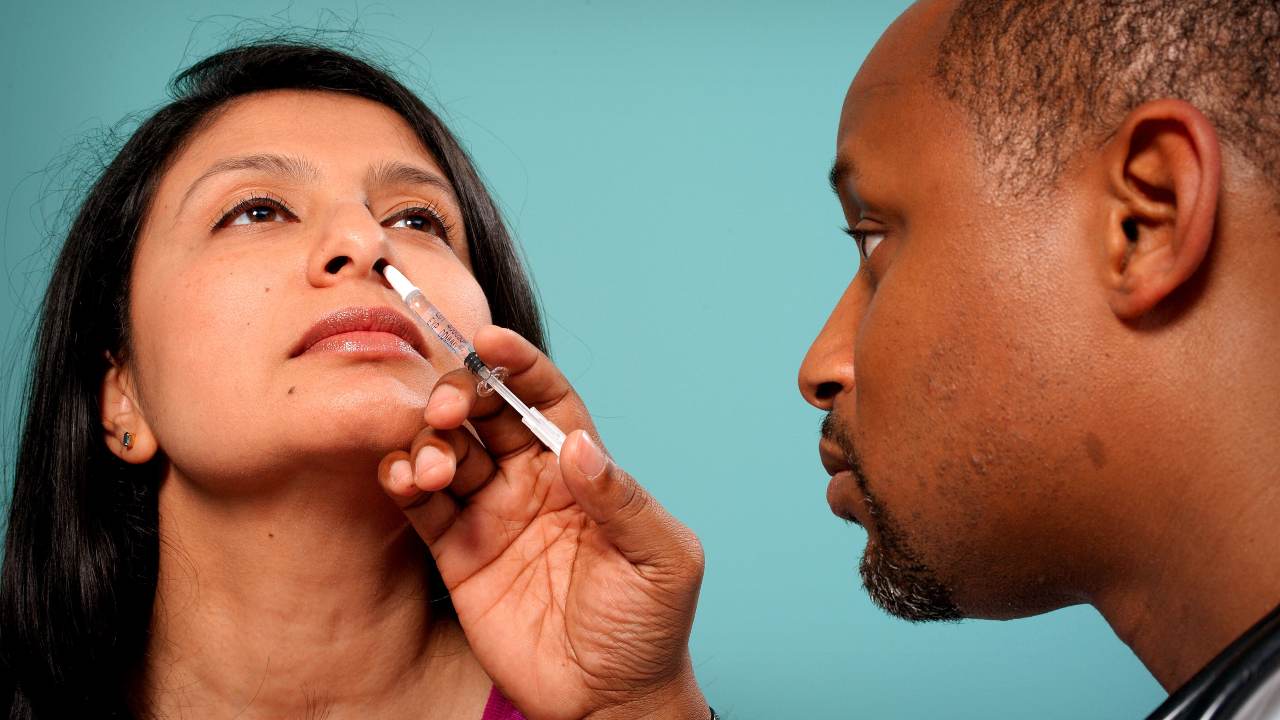
The nasal application has several advantages as it only requires a single dose in a much smaller quantity than an injection.[/caption]More information on the technology that will be used and data from the animal studies have been published in the journal Cell, and in an editorial in Nature.The results show that BBV154 provided "unprecedented levels of protection in mice studies."
The BBV154 intranasal vaccine
Clinical trials in India
India’s apex drug regulator, the Drugs Controller General of India (CDSCO), approved Bharat Biotech's planned Phase I and Phase II trials of the nasal vaccine last month. The subject expert committee (SEC) of CDSCO added a recommendation for the company to produce safety and immunogenicity data from a Phase I trial in 75 volunteers. That said, other reports have quoted a higher number – around 150-175 – volunteers in the Phase 1 study."A nasal vaccine candidate has been identified. It has come for consideration for phase 1 and phase 2 trials. If it works then it could be a game-changer," VK Paul, a Niti Aayog member (health) told the Indian Express.Forty-two days after the nasal spray has been administered, an interim analysis will be conducted of results. To take part in the vaccine trials, the volunteer must be a healthy adult with no comorbidities and should not have been infected with COVID-19.Trials have already begun in hospitals in Hyderabad, Nagpur, Patna and Chennai, sources told The Hindu Business Line.[caption id="attachment_9408811" align="alignnone" width="1280"]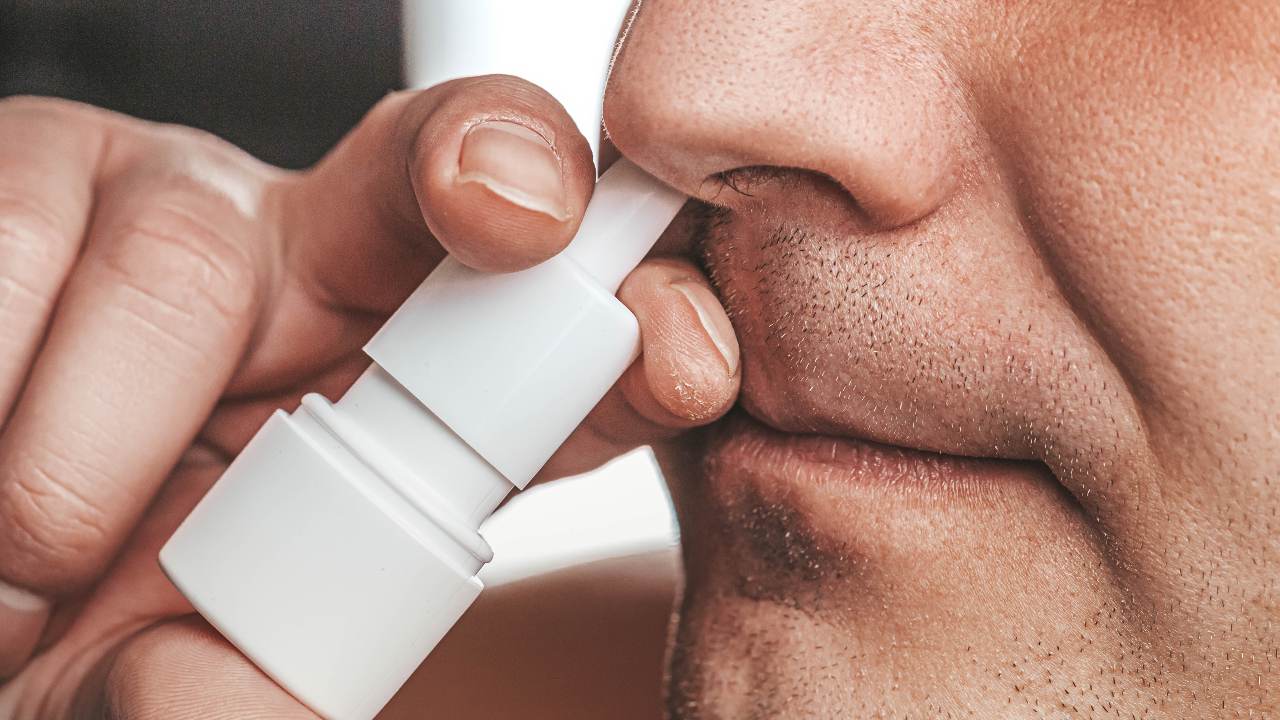
Four countries around the world are working on different intranasal vaccines.[/caption]
Other nasal vaccines in development
Three other countries around the world are also conducting trials for intranasal vaccines. Along with India, a US company called Altimmune is developing a nasal spray called AdCOVID. It claims that the vaccine will be effective in preventing COVID-19 transmissions, especially in children. They have begun trials on a group of 180 volunteers with ages ranging from 18-55 years old.In the UK, Codagenix's nasal vaccine, COVI-VAC, has entered Phase 1 clinical trials and 48 volunteers are being tested upon. The vaccine recognized the whole virus and not just the spike proteins. This vaccine is being developed in collaboration with the Serum Institute of India.Not one to be left behind, China is also working on an intranasal vaccine. Beijing Wantai Biological Pharmacy Enterprise along with Xiamen University and Hong Kong University are working together. The Phase I trial of this vaccine has been approved and began in November 2020. The intranasal spray is made up of weakened flu viruses such as H1N1, H3N2 and B with genetic segments of COVID-19’s Spike protein. 100 volunteers were enrolled in Phase 1 and it supposed to take a year to complete.Editor's note: This article was originally published on 12 March, 2021, when Bharat Biotech started testing an intranasal vaccine across the country. On 1 August, an expert panel of India’s central drug authority recommended giving an approval to Bharat Biotech to carry out a study on interchangeability of its Covaxin and the under-trial intranasal vaccine candidate BBV154.
 More from India
Air India to cut Delhi-Toronto flight time by 3 hours, resume non-stop services from August 1
J&K cop on Amarnath Yatra duty shot dead in Anantnag terror attack; TRF claims responsibility
Jaishankar meets Canada's Anita Anand, discusses bilateral cooperation and shared interests
Delhi, Bengaluru, Hyderabad... Neet paper leak protest spreads nationwide even as govt reaches out to CJP, Opposition
Why is India seeing 95% cloud cover despite a Super El Niño?