
Advertisement


Sections
Are Indian hospitals prepared for the new age of mhealth and digital healthcare?
In the age of digital data, India needs data protection laws beyond the ones that exist today.

With the pace of growth of data in all formats, sizes and speeds, it is getting difficult for enterprises to get timely, accurate and actionable insights. Big Data is not an emerging trend — it is already here. Companies across sectors are already using artificial intelligence to customize the ways they interact with customers, procure and receive services from vendors.We are in an era where mHealth (mobile technology) offers healthcare solutions more efficiently and improving clinical outcomes. Healthcare providers aren't the only ones using mobile health technologies to access clinical information, collaborate with teams, communicate with patients and peers and offer healthcare remotely. Patients, too, are using mobile health technologies to track their own health, access their medical records and communicate with their healthcare providers.It is interesting to note that last year the Ministry of Health and Family Welfare had released the draft of the Digital Information Security in Healthcare Act (DISHA) soliciting comments from the general public and concerned stakeholders on data privacy and data security. The Draft was the first legislative attempt in India to bring in measures for information security specifically in the healthcare sector and securing the right to privacy of those seeking any medical assistance.[caption id="attachment_6223461" align="alignnone" width="1280"]![Mobile health technology.]() Mobile health technology. [/caption]It was also proposed as a part of the process that a nodal body, the "National Digital Health Authority", be in place through a Parliamentary Act that will not only secure electronic health data but also regulate storage and exchange of electronic health records. The Act seeks to regulate the generation, collection, storage, transmission, access and use of all digital health data which includes information such as a patient’s age, contact information, vital signs, lab reports, medical history including immunisations, allergies, and current and past medications.However, India needs a strong law when it comes to data privacy and protection. The Draft seeks to protect an individual’s Digital Healthcare Data (DHD) — an electronic record of health-related information about an individual, including the information pertaining to the individual’s physical or mental health, health services availed, examinations conducted, clinics visited, and any donations of body part/substances made.The ever-increasing integration of highly diverse technology for data generation in medical, biomedical and healthcare fields is useful. So is the growing availability of data at a central location that can be accessed by a range of other organizations from pharmaceutical companies to health insurance companies to hospitals. This has flooded healthcare organizations and all its sub-sectors with data and big data tools like it never before. From tracking unauthorized drug prescriptions to assessing the effect of different treatments on patients, the ability to automatically-processed data provided by thousands of patients has proven invaluable to healthcare service providers across the globe.While mHealth/digital health is improving outcomes across medical specialities, it also poses certain concerns we need to be careful about.From the perspective of a healthcare provider, protecting patient privacy becomes more difficult with mobile technology. Several apps allow users to post information anonymously and not all the information out there is credible or factually correct. There exists a risk of users self-diagnosing, self-medicating, overlooking symptoms or panicking over minor symptoms, all of which can be harmful and even fatal. To protect themselves, app users must not rely solely on the information being provided on mobile apps and must consult with their healthcare providers before starting on a treatment regime or making any changes to their existing regime.While this data is being hailed as the key to improving health outcomes, gain important and new insights and lower costs, security and privacy issues are so overwhelming that the healthcare industry is unable to take full advantage of it with the resources it currently has. That said, managing and wielding the analytical power of big data is vital to the success of all healthcare organizations. In the age of digital data, beyond the laws that are existing, India needs is data protection law.[caption id="attachment_6223501" align="alignnone" width="1024"]
Mobile health technology. [/caption]It was also proposed as a part of the process that a nodal body, the "National Digital Health Authority", be in place through a Parliamentary Act that will not only secure electronic health data but also regulate storage and exchange of electronic health records. The Act seeks to regulate the generation, collection, storage, transmission, access and use of all digital health data which includes information such as a patient’s age, contact information, vital signs, lab reports, medical history including immunisations, allergies, and current and past medications.However, India needs a strong law when it comes to data privacy and protection. The Draft seeks to protect an individual’s Digital Healthcare Data (DHD) — an electronic record of health-related information about an individual, including the information pertaining to the individual’s physical or mental health, health services availed, examinations conducted, clinics visited, and any donations of body part/substances made.The ever-increasing integration of highly diverse technology for data generation in medical, biomedical and healthcare fields is useful. So is the growing availability of data at a central location that can be accessed by a range of other organizations from pharmaceutical companies to health insurance companies to hospitals. This has flooded healthcare organizations and all its sub-sectors with data and big data tools like it never before. From tracking unauthorized drug prescriptions to assessing the effect of different treatments on patients, the ability to automatically-processed data provided by thousands of patients has proven invaluable to healthcare service providers across the globe.While mHealth/digital health is improving outcomes across medical specialities, it also poses certain concerns we need to be careful about.From the perspective of a healthcare provider, protecting patient privacy becomes more difficult with mobile technology. Several apps allow users to post information anonymously and not all the information out there is credible or factually correct. There exists a risk of users self-diagnosing, self-medicating, overlooking symptoms or panicking over minor symptoms, all of which can be harmful and even fatal. To protect themselves, app users must not rely solely on the information being provided on mobile apps and must consult with their healthcare providers before starting on a treatment regime or making any changes to their existing regime.While this data is being hailed as the key to improving health outcomes, gain important and new insights and lower costs, security and privacy issues are so overwhelming that the healthcare industry is unable to take full advantage of it with the resources it currently has. That said, managing and wielding the analytical power of big data is vital to the success of all healthcare organizations. In the age of digital data, beyond the laws that are existing, India needs is data protection law.[caption id="attachment_6223501" align="alignnone" width="1024"]![The next step in mobile healthcare is already here.]() The next step in mobile healthcare is already here. [/caption]For Hospitals, it is not just imperative but also an ethical, legal and contractual duty to protect patient confidentiality.The Indian healthcare sector although at par with international standards in its methods of diagnosis, treatment and the use of technology, is still nascent in the nature and extent of its interaction with the Law. There are a number of aspects of healthcare that lie on the somewhat blurred line between the interest of the public and the sole right of the individual seeking treatment. While Data protection and patient privacy have been spoken and been disused at several forums, India’s blooming healthcare sector could become a victim of its own success, if it fails to ensure Data protection to its patients.The author is the co-founder and Managing Director, Cloudnine Group of Hospitals.
The next step in mobile healthcare is already here. [/caption]For Hospitals, it is not just imperative but also an ethical, legal and contractual duty to protect patient confidentiality.The Indian healthcare sector although at par with international standards in its methods of diagnosis, treatment and the use of technology, is still nascent in the nature and extent of its interaction with the Law. There are a number of aspects of healthcare that lie on the somewhat blurred line between the interest of the public and the sole right of the individual seeking treatment. While Data protection and patient privacy have been spoken and been disused at several forums, India’s blooming healthcare sector could become a victim of its own success, if it fails to ensure Data protection to its patients.The author is the co-founder and Managing Director, Cloudnine Group of Hospitals.
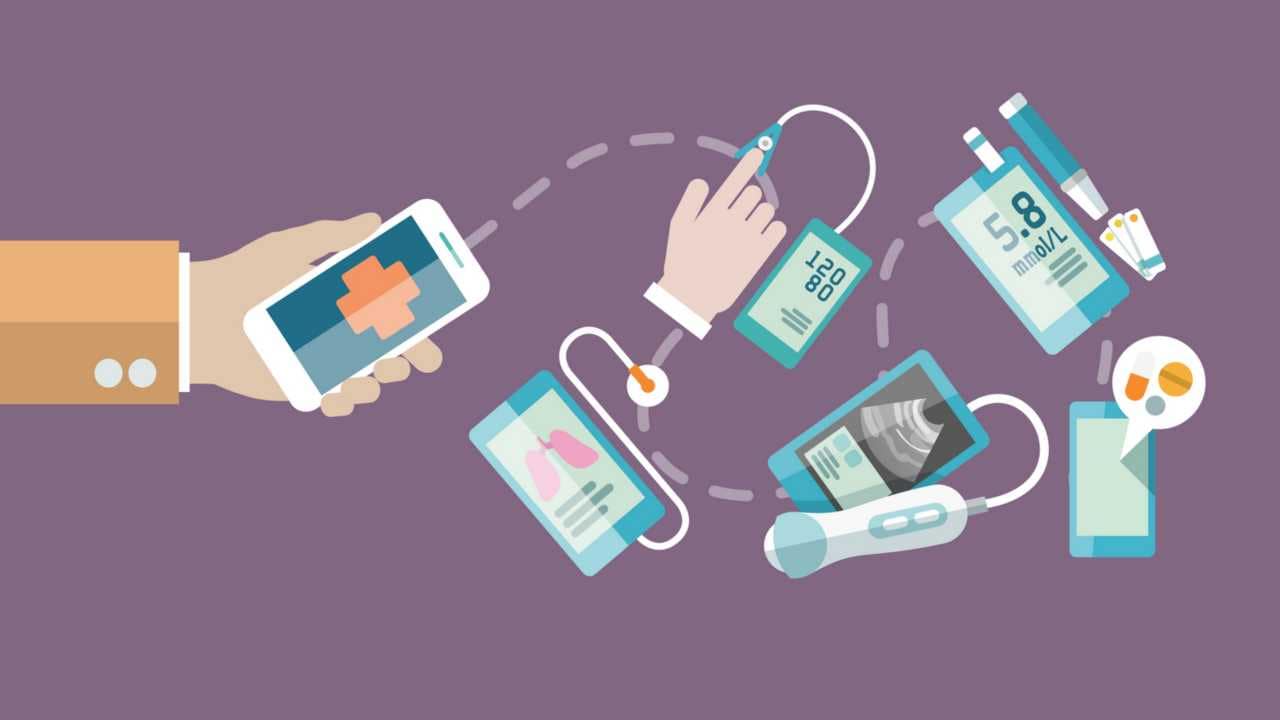 Mobile health technology. [/caption]It was also proposed as a part of the process that a nodal body, the "National Digital Health Authority", be in place through a Parliamentary Act that will not only secure electronic health data but also regulate storage and exchange of electronic health records. The Act seeks to regulate the generation, collection, storage, transmission, access and use of all digital health data which includes information such as a patient’s age, contact information, vital signs, lab reports, medical history including immunisations, allergies, and current and past medications.However, India needs a strong law when it comes to data privacy and protection. The Draft seeks to protect an individual’s Digital Healthcare Data (DHD) — an electronic record of health-related information about an individual, including the information pertaining to the individual’s physical or mental health, health services availed, examinations conducted, clinics visited, and any donations of body part/substances made.The ever-increasing integration of highly diverse technology for data generation in medical, biomedical and healthcare fields is useful. So is the growing availability of data at a central location that can be accessed by a range of other organizations from pharmaceutical companies to health insurance companies to hospitals. This has flooded healthcare organizations and all its sub-sectors with data and big data tools like it never before. From tracking unauthorized drug prescriptions to assessing the effect of different treatments on patients, the ability to automatically-processed data provided by thousands of patients has proven invaluable to healthcare service providers across the globe.
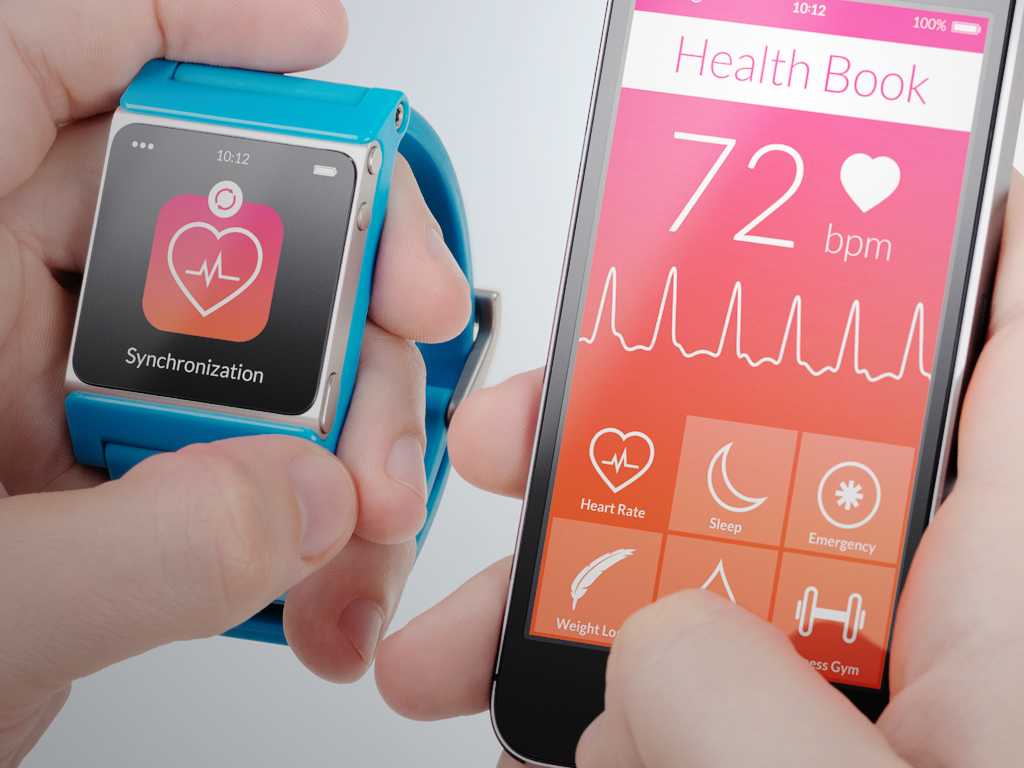 The next step in mobile healthcare is already here. [/caption]For Hospitals, it is not just imperative but also an ethical, legal and contractual duty to protect patient confidentiality.The Indian healthcare sector although at par with international standards in its methods of diagnosis, treatment and the use of technology, is still nascent in the nature and extent of its interaction with the Law. There are a number of aspects of healthcare that lie on the somewhat blurred line between the interest of the public and the sole right of the individual seeking treatment. While Data protection and patient privacy have been spoken and been disused at several forums, India’s blooming healthcare sector could become a victim of its own success, if it fails to ensure Data protection to its patients.The author is the co-founder and Managing Director, Cloudnine Group of Hospitals.
First Published:Mar 08, 2019, 17:14:16 IST
Advertisement
Advertisement

Air India to cut Delhi-Toronto flight time by 3 hours, resume non-stop services from August 1
Air India will resume non-stop Delhi-Toronto flights from August 1, cutting travel time by nearly three hours and deploying its new Boeing 787-9 Dreamliner on the route
2 min read
J&K cop on Amarnath Yatra duty shot dead in Anantnag terror attack; TRF claims responsibility
The Resistance Front (TRF), a shadow outfit of Lashkar-e-Taiba, claimed responsibility for the attack through a social media post
2 min read
Jaishankar meets Canada's Anita Anand, discusses bilateral cooperation and shared interests
External Affairs Minister S Jaishankar on Wednesday held talks on bilateral ties with his Canadian counterpart Anita Anand, focusing on cooperation and common goals.
1 min read
Delhi, Bengaluru, Hyderabad... Neet paper leak protest spreads nationwide even as govt reaches out to CJP, Opposition
Protests over the alleged NEET paper leak intensified across multiple cities, while the Centre signalled talks with the Opposition and the Cockroach Janta Party. The Delhi High Court also stepped in, seeking preservation of CCTV footage related to police action.
3 min read
Why is India seeing 95% cloud cover despite a Super El Niño?
India is witnessing nearly 95 per cent cloud cover despite a Super El Niño, a climate event usually linked to weaker monsoons. Regional weather systems, cyclonic circulations, the monsoon trough and moisture from two seas are temporarily overpowering one of the world's strongest climate phenomena
5 min read
Advertisement
Advertisement