
Advertisement


Sections
World Diabetes Day 2019: India’s Gen Z may be at risk for early-onset diabetes
A projection by the International Diabetes Federation stipulates 151 million people in India will have diabetes by 2045 - most will be under the age of 45.

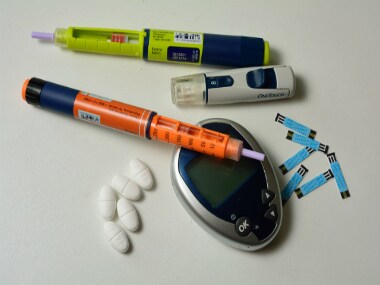
Early-onset diabetes is likely to rise exponentially in India. According to a projection by the International Diabetes Federation, 151 million people in India will have diabetes by 2045.Of these, most will be under the age of 45. If one develops diabetes after 18 years of age but before 45, it is referred to as early-onset diabetes.[caption id="attachment_7645411" align="alignleft" width="380"]![Representational image. Image source: Getty Images.]() Representational image. Image source: Getty Images.[/caption]Early-onset diabetes is usually type-2 diabetes. (Diabetes is of at least three types. The first is type-1, in which the body doesn’t make insulin. It is also called insulin-dependent diabetes and is typically congenital. Gestational diabetes affects only pregnant women. Type-2 diabetes typically affects older people, though it can occur at any age.)Researchers say that early-onset diabetes is typically more dangerous than type-2 diabetes that develops after the age of 45. For example, people with early-onset diabetes have a 14-fold risk for heart attacks compared with healthy people. By contrast, the risk increases fourfold in people who develop diabetes after the age of 45.Ahead of World Diabetes Day tomorrow, 14 November, we look at who’s at risk of early-onset diabetes and why it’s considered to be more aggressive.
Representational image. Image source: Getty Images.[/caption]Early-onset diabetes is usually type-2 diabetes. (Diabetes is of at least three types. The first is type-1, in which the body doesn’t make insulin. It is also called insulin-dependent diabetes and is typically congenital. Gestational diabetes affects only pregnant women. Type-2 diabetes typically affects older people, though it can occur at any age.)Researchers say that early-onset diabetes is typically more dangerous than type-2 diabetes that develops after the age of 45. For example, people with early-onset diabetes have a 14-fold risk for heart attacks compared with healthy people. By contrast, the risk increases fourfold in people who develop diabetes after the age of 45.Ahead of World Diabetes Day tomorrow, 14 November, we look at who’s at risk of early-onset diabetes and why it’s considered to be more aggressive.
 Representational image. Image source: Getty Images.[/caption]Early-onset diabetes is usually type-2 diabetes. (Diabetes is of at least three types. The first is type-1, in which the body doesn’t make insulin. It is also called insulin-dependent diabetes and is typically congenital. Gestational diabetes affects only pregnant women. Type-2 diabetes typically affects older people, though it can occur at any age.)Researchers say that early-onset diabetes is typically more dangerous than type-2 diabetes that develops after the age of 45. For example, people with early-onset diabetes have a 14-fold risk for heart attacks compared with healthy people. By contrast, the risk increases fourfold in people who develop diabetes after the age of 45.Ahead of World Diabetes Day tomorrow, 14 November, we look at who’s at risk of early-onset diabetes and why it’s considered to be more aggressive.
Risk factors
A complex interplay between genes and the environment gives rise to a whole set of risk factors for early-onset diabetes.Risk factors that are in your control include:- Your weight: obesity increases the risk.
- Your activity level: predictably, low or no physical activity is bad for you.
- Your lifestyle: a sedentary lifestyle also increases the risk.
- A family history of type 2 diabetes.
- Your ethnicity: Pima Indians, Hispanics, Asians and people of African and Caribbean origin have a higher risk.
- Your weight at birth: people who weighed under 2.5 kilograms or 5 pounds and 8 ounces at birth (low birth weight) have a higher risk of developing early-onset diabetes later in life.
- Exposure to diabetes in the uterus: if your mother had diabetes while she was pregnant with you.
- History of gestational diabetes: if you had diabetes while you were pregnant.
- Your gender: women are at higher risk of developing early-onset diabetes.
The complications
If you get diabetes early in life, it increases the risk of developing the complications of diabetes with more severity. For example, there is a 14-fold increase in the risk of heart attack (myocardial infarction) in people with early-onset diabetes, whereas, in adults over the age of 45, there is a fourfold increase in risk compared to a healthy individual.Compared with type-1 diabetics, whose pancreas makes no natural insulin, people with early-onset diabetes are also more prone to developing microvascular complications - problems in the tiny blood vessels - even if they maintain good control over their blood sugar levels.Microvascular complications include neuropathy, nephropathy and retinopathy. Neuropathy can damage nerves anywhere in the body - but it typically affects the legs and hands. Persistently high blood sugar levels can also damage the filtration units in the kidneys by making them leaky - as a result, protein comes out through the urine - this condition is known as nephropathy. Retinopathy refers to the damage to the blood vessels going to the retinas of the eye.Much of this damage can be attributed to simple math: early-onset diabetes means you live with the disease for longer. And the longer you live with uncontrolled blood sugar, the more likely it is to damage your blood vessels and cause complications in the heart, kidneys and eyes.The good news is that according to research by the American Diabetes Association, people with early-onset type-2 diabetes are 80% more likely to begin insulin therapy than those with usual-onset type 2 diabetes.The first step, of course, is a simple blood test to check your sugar levels and seek medical help as early as possible!Health articles in Firstpost are written by myUpchar.com, India’s first and biggest resource for verified medical information. At myUpchar, researchers and journalists work with doctors to bring you information on all things health. For more information, please read our article on Diabetes: Causes, Symptoms, Treatment and Prevention.First Published:Nov 13, 2019, 13:31:37 IST
Advertisement
Advertisement

Stroke in young adults, silent symptoms and late diagnosis: India's growing brain health challenge
Neurologists warn that stroke is increasingly affecting people in their 30s and 40s, while many brain disorders progress silently before symptoms appear. They say early diagnosis, timely referrals and healthier lifestyles are key to reducing India's growing neurological disease burden.
5 min read
Brain tumours aren't always fatal, but delayed diagnosis can be: Experts explain the key warning signs
Brain tumours are frequently mistaken for common headaches, stress or age-related cognitive changes. Doctors say recognising warning signs early and adopting a brain-healthy lifestyle can improve outcomes and reduce the risk of long-term neurological complications.
2 min read
Spices, health and the Indian plate: Why chilli can be good for you—but moderation is still key
From boosting metabolism to supporting heart health, chillies offer several surprising health benefits. But experts say the amount you eat matters, and too much spice can do more harm than good.
4 min read
Organ donation: 5 myths you need to stop believing, according to a transplant specialist
Organ donation has the power to transform and save lives, but this can happen only when myths are replaced with facts. Building awareness, having open conversations and understanding the process can help families make informed decisions.
2 min read
Fish over meat: Why a pescatarian diet may help people with obesity live longer
A large UK study tracking over 150,000 adults with clinical obesity found pescatarians outlived regular meat-eaters, while vegetarians and vegans saw no similar benefit, but experts say the findings don't translate simply to Indian diets.
4 min read
Advertisement
Advertisement