


US doctors skeptical of reported COVID breakthrough eager to see published data at earliest
Steroids like dexamethasone can suppress immune systems, and many physicians are using them on a case-by-case basis.

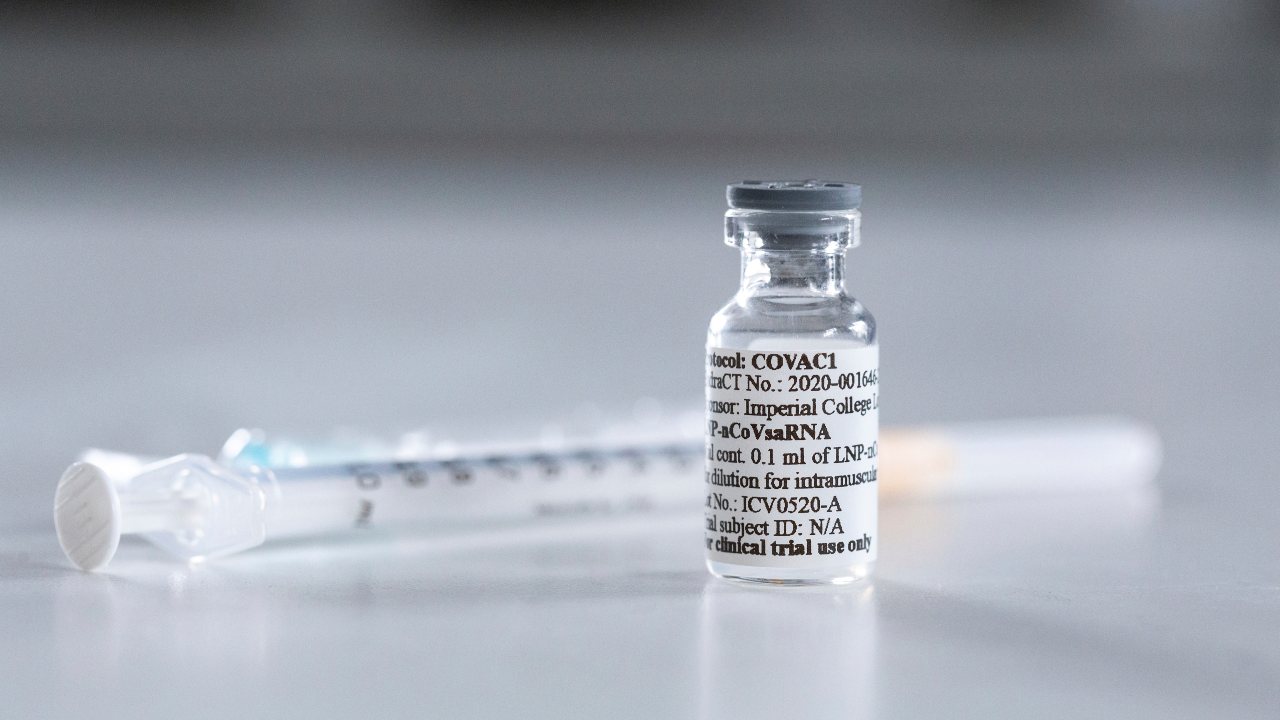
Representational image of a vaccine candidate against SARS-CoV-2. Image: ICL/AP[/caption]A vaccine candidate against COVID-19 (the SARS-CoV-2 virus), provided by Imperial College London. About a dozen vaccine candidates are in early stages of testing in thousands of people. Image: Imperial College London via APTrial results announced on Tuesday showed dexamethasone, used to fight inflammation in other diseases, reduced death rates by around a third among the most severely ill COVID-19 patients admitted to hospital. British scientists announced the results and said they would work to publish full details as soon as possible.“We have been burned before, not just during the coronavirus pandemic but even pre-COVID, with exciting results that when we have access to the data are not as convincing,” said Dr Kathryn Hibbert, director of the medical intensive care unit at Harvard’s Massachusetts General Hospital.Hibbert said published data would help her evaluate the findings and see which patients benefited the most and at what dose.“I am very hopeful this is true because it would be a huge step forward in being able to help our patients,” she said, but added she would not change practice at this point.Steroids can suppress immune systems, warned Dr Thomas McGinn, deputy physician-in-chief at New York’s largest healthcare system, Northwell Health where, he told Reuters, physicians are using steroids on a case-by-case basis.“We have to see what the study looks like given the current environment of retractions,” said McGinn. “I just wait to see the real data, see if it’s peer-reviewed, and gets published in a real journal, he said.University of Washington professor of medicine Dr Mark Wurfel urged the researchers to put out data before official publication.“That would be very, very helpful in terms of helping us align our patient populations with theirs and decide whether it’s appropriate to apply this therapy to our patients.”

Stroke is rising among young adults. Doctor explains why it's happening and what you must do
Stroke in young adults, silent symptoms and late diagnosis: India's growing brain health challenge
Brain tumours aren't always fatal, but delayed diagnosis can be: Experts explain the key warning signs
Spices, health and the Indian plate: Why chilli can be good for you—but moderation is still key
Organ donation: 5 myths you need to stop believing, according to a transplant specialist