
Advertisement


Sections
The humble tea towel in your kitchen is harbouring some nasty bacteria
University of Mauritius researchers collected 100 tea towels and cultured the bacteria from them to identify the types and load of bacteria.

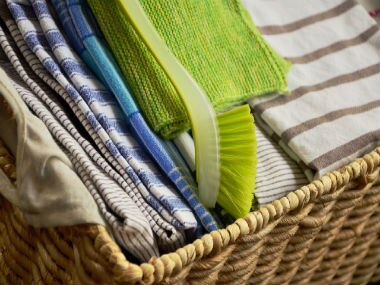
The ordinary tea towel puts out fires in our kitchen. When the milk threatens to boil over, the handy towel helps you take the pot off the flame. When you want to wipe a spoon before you serve the daal, the towel is at your service. And when you want to press a chappati down to get an even cook on the tawa, the kitchen towel is again happy to help.However, research has shown that about 49% of the time, this heroic towel is crying out for some love and soap.[caption id="attachment_7242611" align="alignleft" width="380"]![Representative image. Image source: Pixabay]() Representative image. Image source: Pixabay[/caption]Kitchen scienceIn 2018, researchers from the University of Mauritius collected 100 tea towels - all the towels had at least one month of experience in a household. They cultured the bacteria on the towels and identified the types and load of bacteria through biochemical tests.Their findings: a significant number of kitchen towels they had collected tested positive for bacteria like E.coli (36.7%), S. aureus (14.3%) and Enterococcus (36.7%).“Our study demonstrates that the family composition and hygienic practices in the kitchen affected the microbial load of kitchen towels,” the research supervisor Dr Susheela D. Biranjia-Hurdoyal said at a conference of microbiologists in the U.S. “We also found that diet, type of use and moist kitchen towels could be very important in promoting the growth of potential pathogens responsible for food poisoning,” she said.S. aureus can cause illnesses from minor skin infections to pneumonia. E.coli is present in our intestine - some strains of this bacteria can cause food poisoning.Clean-up actNaturally, if you use the same kitchen towel for the various purposes like wiping the dishes, holding the utensils or for drying your hands, your kitchen towel will swarm with bacteria.Add to that, humidity encourages bacterial growth - at the time of writing this article, Mumbai had 77% humidity; New Delhi, 58%; Chennai, 69%; and Chennai, 81%.Thankfully, there are many things you can do to counter this problem. Start with these tips:
Representative image. Image source: Pixabay[/caption]Kitchen scienceIn 2018, researchers from the University of Mauritius collected 100 tea towels - all the towels had at least one month of experience in a household. They cultured the bacteria on the towels and identified the types and load of bacteria through biochemical tests.Their findings: a significant number of kitchen towels they had collected tested positive for bacteria like E.coli (36.7%), S. aureus (14.3%) and Enterococcus (36.7%).“Our study demonstrates that the family composition and hygienic practices in the kitchen affected the microbial load of kitchen towels,” the research supervisor Dr Susheela D. Biranjia-Hurdoyal said at a conference of microbiologists in the U.S. “We also found that diet, type of use and moist kitchen towels could be very important in promoting the growth of potential pathogens responsible for food poisoning,” she said.S. aureus can cause illnesses from minor skin infections to pneumonia. E.coli is present in our intestine - some strains of this bacteria can cause food poisoning.Clean-up actNaturally, if you use the same kitchen towel for the various purposes like wiping the dishes, holding the utensils or for drying your hands, your kitchen towel will swarm with bacteria.Add to that, humidity encourages bacterial growth - at the time of writing this article, Mumbai had 77% humidity; New Delhi, 58%; Chennai, 69%; and Chennai, 81%.Thankfully, there are many things you can do to counter this problem. Start with these tips:
 Representative image. Image source: Pixabay[/caption]Kitchen scienceIn 2018, researchers from the University of Mauritius collected 100 tea towels - all the towels had at least one month of experience in a household. They cultured the bacteria on the towels and identified the types and load of bacteria through biochemical tests.Their findings: a significant number of kitchen towels they had collected tested positive for bacteria like E.coli (36.7%), S. aureus (14.3%) and Enterococcus (36.7%).“Our study demonstrates that the family composition and hygienic practices in the kitchen affected the microbial load of kitchen towels,” the research supervisor Dr Susheela D. Biranjia-Hurdoyal said at a conference of microbiologists in the U.S. “We also found that diet, type of use and moist kitchen towels could be very important in promoting the growth of potential pathogens responsible for food poisoning,” she said.S. aureus can cause illnesses from minor skin infections to pneumonia. E.coli is present in our intestine - some strains of this bacteria can cause food poisoning.Clean-up actNaturally, if you use the same kitchen towel for the various purposes like wiping the dishes, holding the utensils or for drying your hands, your kitchen towel will swarm with bacteria.Add to that, humidity encourages bacterial growth - at the time of writing this article, Mumbai had 77% humidity; New Delhi, 58%; Chennai, 69%; and Chennai, 81%.Thankfully, there are many things you can do to counter this problem. Start with these tips:
- Keep separate towels for different functions in the kitchen
- Keep kitchen towels dry and clean
- Use paper towels or disinfectant wipes to clean countertops
- Wash your tea towels daily and dry them in the sun rather than inside the kitchen
- Change kitchen towels frequently
First Published:Aug 28, 2019, 16:57:34 IST
Advertisement
Advertisement

Stroke in young adults, silent symptoms and late diagnosis: India's growing brain health challenge
Neurologists warn that stroke is increasingly affecting people in their 30s and 40s, while many brain disorders progress silently before symptoms appear. They say early diagnosis, timely referrals and healthier lifestyles are key to reducing India's growing neurological disease burden.
5 min read
Brain tumours aren't always fatal, but delayed diagnosis can be: Experts explain the key warning signs
Brain tumours are frequently mistaken for common headaches, stress or age-related cognitive changes. Doctors say recognising warning signs early and adopting a brain-healthy lifestyle can improve outcomes and reduce the risk of long-term neurological complications.
2 min read
Spices, health and the Indian plate: Why chilli can be good for you—but moderation is still key
From boosting metabolism to supporting heart health, chillies offer several surprising health benefits. But experts say the amount you eat matters, and too much spice can do more harm than good.
4 min read
Organ donation: 5 myths you need to stop believing, according to a transplant specialist
Organ donation has the power to transform and save lives, but this can happen only when myths are replaced with facts. Building awareness, having open conversations and understanding the process can help families make informed decisions.
2 min read
Fish over meat: Why a pescatarian diet may help people with obesity live longer
A large UK study tracking over 150,000 adults with clinical obesity found pescatarians outlived regular meat-eaters, while vegetarians and vegans saw no similar benefit, but experts say the findings don't translate simply to Indian diets.
4 min read
Advertisement
Advertisement