


Thailand researchers believe horseshoe bats maybe the link to Coronavirus spread, collect samples for testing
They plan to collect 300 bats from a cave in the Chanthaburi province and will release them after the tests are completed.

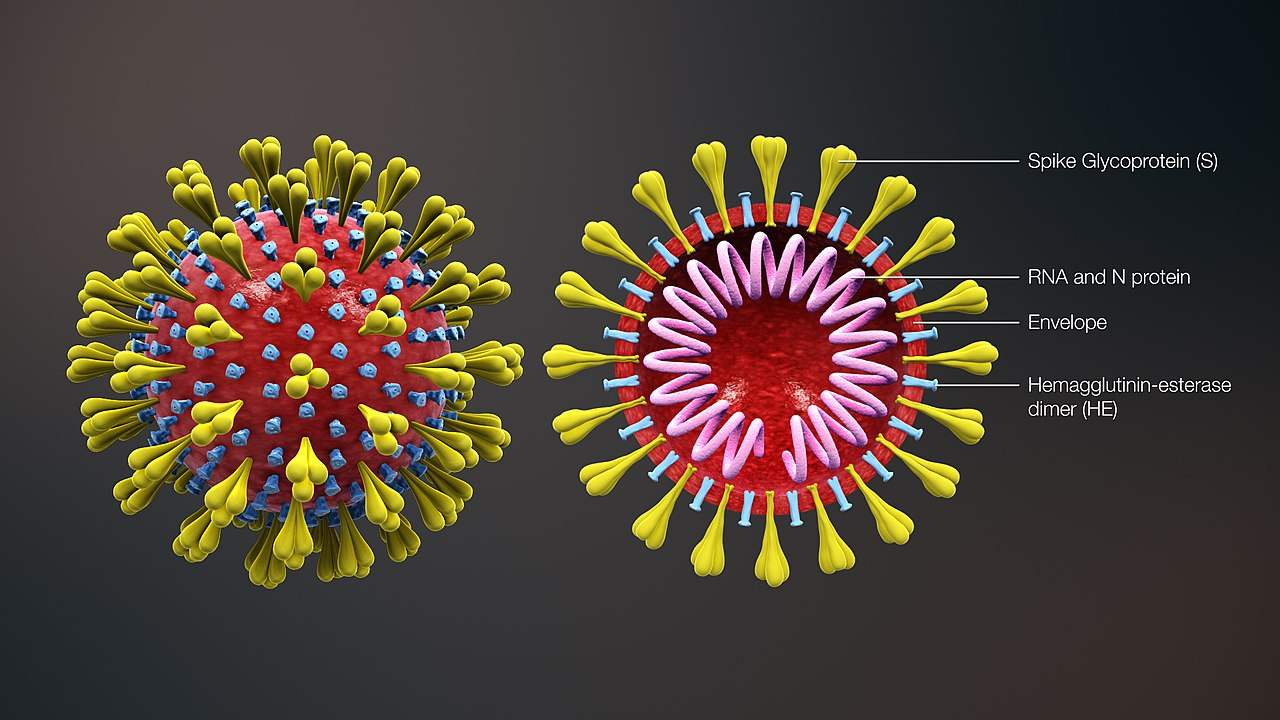
The structure and a cross-sectional view of Human Coronavirus. It shows depicting the shape of coronavirus as well as the cross-sectional view. Image shows the major elements including the Spike S protein, HE protein, viral envelope, and helical RNA. Image credit: Wikipedia[/caption]The source of the virus remains a matter of debate after it emerged in China late last year.The World Health Organization (WHO) in April said that all available evidence suggests that it originated in bats in China, but it was not clear how the virus had jumped the species barrier to humans.The research team in Thailand includes Supaporn Wacharapluesadee, who identified the country’s first case of COVID-19 in January.“The reason we need to investigate the horseshoe bat is that there are reports from China that the COVID-19 virus is similar to the virus found in the horseshoe bat,” Supaporn said.Thailand was the first country outside China to record a case of the virus. It has so far reported 3,134 cases and 58 deaths.Researchers from the National Parks Department, Chulalongkorn Hospital and Kasetsart University entered the cave on Thursday evening and re-emerged in the early hours of Friday with samples of bat blood, saliva and faeces.Investigators were concerned that villagers in the area could be at risk of infection.Locals have been known to eat bats, Supaporn said, adding adequate education and information programs were needed.Local transmissions have waned in recent weeks with new cases coming from Thais returning from overseas.

Stroke in young adults, silent symptoms and late diagnosis: India's growing brain health challenge
Brain tumours aren't always fatal, but delayed diagnosis can be: Experts explain the key warning signs
Spices, health and the Indian plate: Why chilli can be good for you—but moderation is still key
Organ donation: 5 myths you need to stop believing, according to a transplant specialist
Fish over meat: Why a pescatarian diet may help people with obesity live longer