
Advertisement

Study of five lakh women hints at oestrogen, birth control pills offering some protection against COVID-19

This may explain the disproportionately higher numbers of severe COVID-19 cases in men of all ages and older women since the start of the pandemic.

Advertisement
Tech2 News Staff|Aug 06, 2020, 13:23:18 IST
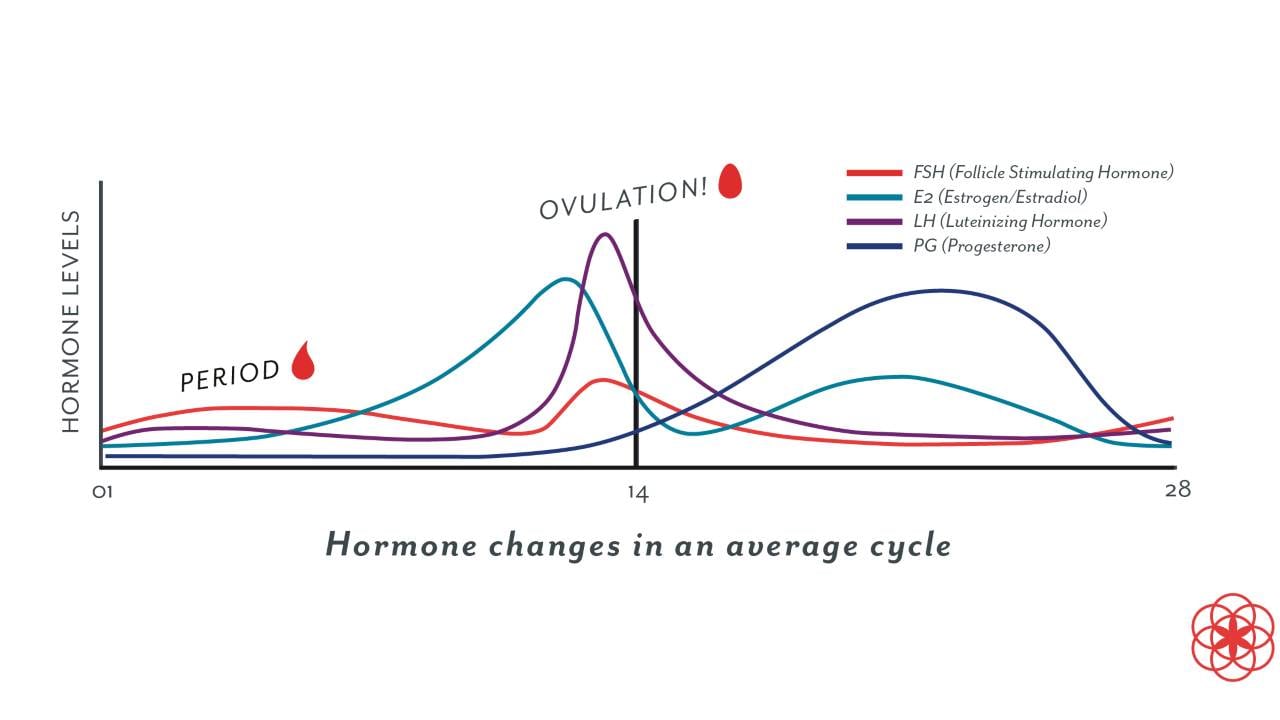
According to findings from a study of over 5,00,000 women, led by King’s College London, higher levels of oestrogen could offer some protection against the novel coronavirus infection.Researchers examined data from a UK-wide COVID-19 Symptom Tracker app, focusing on how prevalent COVID-19 was in post-menopausal women, premenopausal women who used oral contraceptive pills, and post-menopausal women who used hormone replacement therapy (HRT), in the five weeks between 7 May and 15 June 2020.The female sex hormone oestrogen naturally declines in women after menopause. It is known to influence the immune system in many ways including the number of immune cells that are made, and how these cells respond to an infection. Based on their findings, researchers have proposed that oestrogen may protect against COVID-19.In post-menopausal women, specifically in the 45-50 age group, there was a higher rate of predicted COVID-19 risk than other age groups of women in the study. Symptoms of COVID-19 that were commonly reported by women in this age group were anosmia (either total or partial loss of sense of smell), fever, persistent coughing, and the need for oxygen treatment in hospital, the study reported. However, these findings weren't statistically significant enough for a convincing correlation.Post-menopausal women in the 50-65 years age group that used hormone replacement therapy (HRT) had a higher predicted COVID-19 risk but without the need for hospitalization, the study noted. That said, the researchers pointed out that these results, too, should be taken with a grain of salt since there was not enough information compiled on the kind of hormone therapy used, how the treatment was administered, how long they were on the treatment for, and any comorbidities they might have had.[caption id="attachment_8678581" align="alignnone" width="1280"]Graph of the variation in sex hormones throughout the menstrual cycle. Image credit: Clue

Graph of the variation in sex hormones throughout the menstrual cycle. Image credit: Clue[/caption]

Women in the youngest age group of 18-45 years, that were on Combined Oral Contraceptive Pills (COCP), had a lower rate of predicted COVID-19 risk. These pills containing low doses of both oestrogen and progestogen hormones, much like those naturally produced by the body. Younger women on these pills reported fewer symptoms like persistent cough, delirium, anosmia, loss of appetite, fatigue and pain, and had a significantly lower rate of hospitalization.From the early weeks of the COVID-19 pandemic, researchers have been noting a disproportionately higher number of men and older adults at risk of severe coronavirus disease, while younger individuals and women were relatively spared.Combining studies from past epidemics like SARS (SARS-CoV) and MERS with these new findings, researchers have said the oestrogen-linked protection could explain the higher risk that men of all ages and older women have for COVID-19, compared to younger women.The new study offers clues as to what the biological underpinnings of these differences could be. The pre-print study, published in medRxiv, is yet to be peer-reviewed.

Advertisement
Handpicked stories, in your inbox
Global stories. Indian perspective. Zero noise.
No Spam. Unsubscribe Any Time.
First Published:Aug 06, 2020, 12:23:41 IST
Advertisement
Advertisement
Trending Stories

Spices, health and the Indian plate: Why chilli can be good for you—but moderation is still key

From boosting metabolism to supporting heart health, chillies offer several surprising health benefits. But experts say the amount you eat matters, and too much spice can do more harm than good.
4 min read
Advertisement
Advertisement
Up Next