


Onset of type-1 Diabetes can be delayed using a new antibody treatment, trials show
This promising research involves an antibody that lessens the destruction of insulin-producing cells.

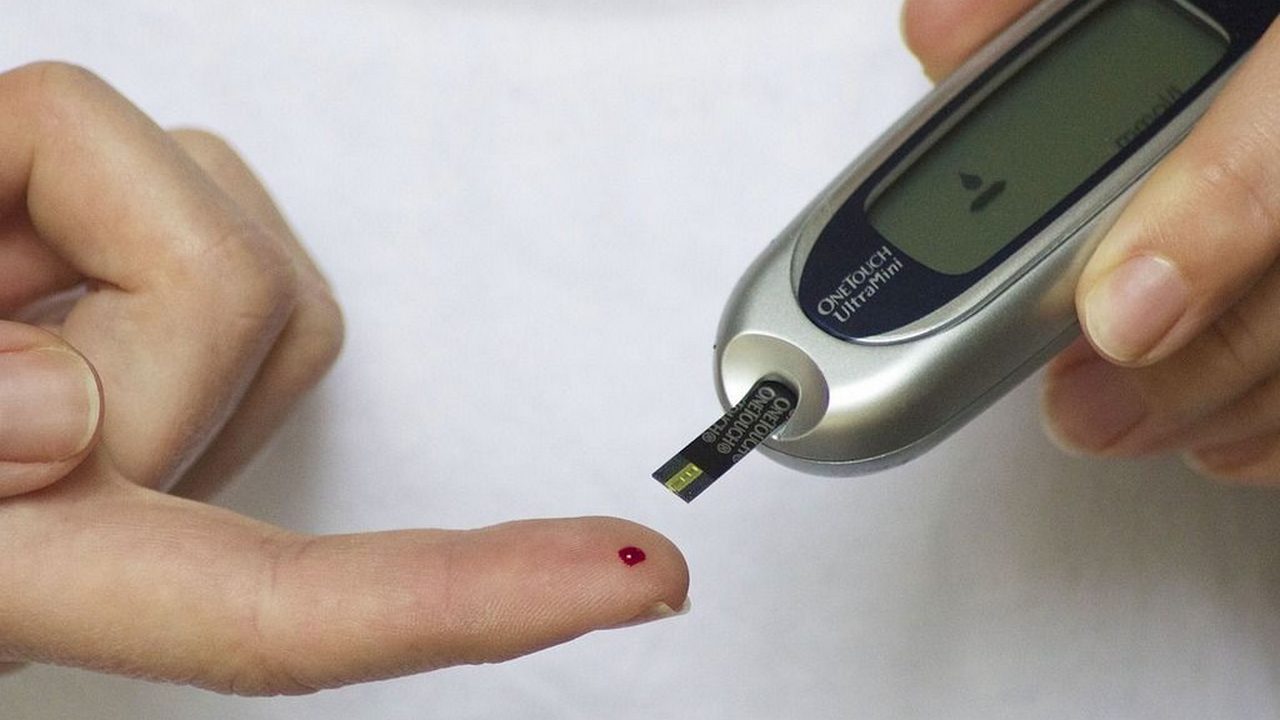
Representational image. Image: Pixabay[/caption]Type 1 diabetes develops when the immune system's T cells mistakenly destroy the body's own insulin-producing beta cells. Insulin is needed to convert glucose into energy. Teplizumab targets T cells to lessen the destruction of beta cells."Previous clinical research found that teplizumab effectively slows the loss of beta cells in people with recent onset clinical type 1 diabetes, but the drug had never been tested in people who did not have a clinical disease," said Kevan C Herold, of Yale University."We wanted to see whether an early intervention would have a benefit for people who are at high risk but do not yet have symptoms of type 1 diabetes," Herold.The effects of the drug were greatest in the first year after it was given, when 41 per cent of participants developed clinical diabetes, mainly in the placebo group. Many factors, including age, could have contributed to the ability of teplizumab to delay clinical disease since at-risk children and adolescents are known to progress to type 1 diabetes faster than adults.Faster progression of type 1 diabetes is associated with a highly active immune system, which may explain the impact of immune system-modulating drugs like teplizumab. Other data collected from the trial may help researchers to understand why certain people responded to treatment. Participants who responded to teplizumab tended to have certain autoantibodies and other immune system characteristics.The research team also cautioned that the study had limitations, including the small number of participants, their lack of ethnic diversity, and that all participants were relatives of people with type 1 diabetes, potentially limiting the ability to translate the study broadly.

Stroke in young adults, silent symptoms and late diagnosis: India's growing brain health challenge
Brain tumours aren't always fatal, but delayed diagnosis can be: Experts explain the key warning signs
Spices, health and the Indian plate: Why chilli can be good for you—but moderation is still key
Organ donation: 5 myths you need to stop believing, according to a transplant specialist
Fish over meat: Why a pescatarian diet may help people with obesity live longer