


Oil prices fall on US-China tensions, weak factory data; crude inventories likely to increase in coming weeks
While global oil demand is expected to recover modestly from April lows as countries ease some lockdown measures, the glut created over months in storage facilities will loom over the markets.

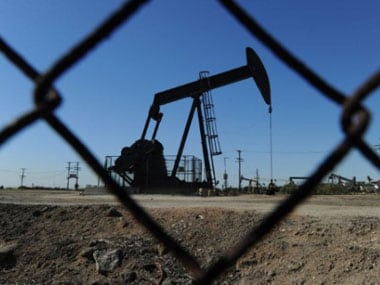
Representational image. Reuters[/caption]“As oil inventories are likely still increasing over the coming weeks, oil prices remain vulnerable to renewed setbacks,” said UBS analyst Giovanni Staunovo.However, Goldman Sachs was more optimistic than before about the rise of oil prices next year due to lower crude production and a partial recovery in oil demand.The Wall Street bank raised its 2021 forecast for global benchmark Brent to $55.63 per barrel from $52.50 earlier. The bank hiked its estimate for WTI to $51.38 a barrel from $48.50 previously.Signs that the output cuts may help reduce the supply overhang have emerged with the narrowing of Brent’s contango - the market structure in which later-dated prices are higher than prompt supplies.The six-month spread of Brent futures hit its narrowest in almost a month at a discount of around $6.50, up from a record wide discount of almost $14 in late-March, reflecting decreasing oversupply expectations and making storage for later sale less profitable.The re-emergence of trade tensions between the United State and China also weighed on prices.Adding to US President Donald Trump’s threat last week to impose tariffs on China, secretary of state Mike Pompeo said on Sunday there was “a significant amount of evidence” that the new coronavirus emerged from a Chinese laboratory.“Demand projections have sobered up last week’s enthusiasm and this, together with the prospect of new U.S.-China trade tensions, have weighted heavily on prices today,” said Rystad’s senior oil markets analyst Paola Rodriguez-Masiu.Concerns about weak manufacturing data in Asia and Europe, assessed by Purchasing Managers’ Index (PMI) of manufacturing companies, also put pressure on oil prices.In Asia, a series of PMIs from IHS Markit fell deeper into contraction from March, with some diving to all-time lows and others hitting levels last seen during the 2008-2009 global financial crisis.PMIs in France, the euro zone’s second-biggest economy, dropped in April to the lowest level on record. IHS Markit’s Final PMI for German manufacturing, which accounts for about a fifth of Europe’s largest economy, shrank at the fastest rate on record.The US dollar surged against most major currencies on Monday amid fears that last year’s US-China dispute will be re-ignited.Oil is usually priced in dollars so a stronger greenback makes crude more expensive for buyers with other currencies.

Stroke in young adults, silent symptoms and late diagnosis: India's growing brain health challenge
Brain tumours aren't always fatal, but delayed diagnosis can be: Experts explain the key warning signs
Spices, health and the Indian plate: Why chilli can be good for you—but moderation is still key
Organ donation: 5 myths you need to stop believing, according to a transplant specialist
Fish over meat: Why a pescatarian diet may help people with obesity live longer