


New virus strain found in pigs in China has the potential to become a pandemic however there is no imminent risk
The study said pigs are important “mixing vessels” for the influenza virus and has asked that this potential problem be kept under surveillance.

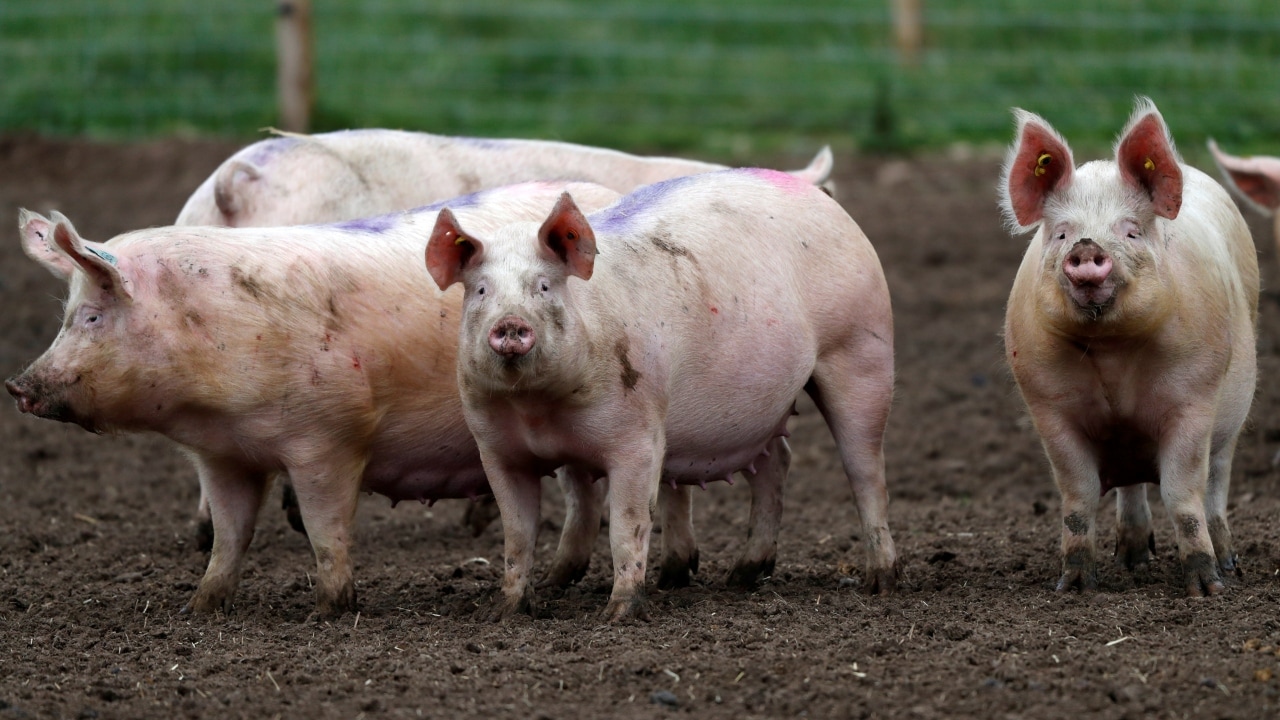
The new virus is a recombination of the 2009 H1N1 variant and a once prevalent strain found in pigs which are capable of infecting humans but there is no imminent risk of a new pandemic. Image credit" Reuters[/caption]The study highlights the risks of viruses crossing the species barrier into humans, especially in densely populated regions in China, where millions live in close proximity to farms, breeding facilities, slaughterhouses and wet markets.The coronavirus that caused the worldwide COVID-19 pandemic is believed to have originated in horseshoe bats in southwest China and could have spread to humans via a seafood market in Wuhan, where the virus was first identified.The PNAS study said pigs are considered important “mixing vessels” for the generation of pandemic influenza viruses and called for “systematic surveillance” of the problem.China took action against an outbreak of avian H1N1 in 2009, restricting incoming flights from affected countries and putting tens of thousands of people into quarantine.The new virus identified in the study is a recombination of the 2009 H1N1 variant and a once prevalent strain found in pigs.But while it is capable of infecting humans, there is no imminent risk of a new pandemic, said Carl Bergstrom, a biologist at the University of Washington.“There’s no evidence that G4 is circulating in humans, despite five years of extensive exposure,” he said on Twitter after the paper’s publication. “That’s the key context to keep in mind.”

Stroke in young adults, silent symptoms and late diagnosis: India's growing brain health challenge
Brain tumours aren't always fatal, but delayed diagnosis can be: Experts explain the key warning signs
Spices, health and the Indian plate: Why chilli can be good for you—but moderation is still key
Organ donation: 5 myths you need to stop believing, according to a transplant specialist
Fish over meat: Why a pescatarian diet may help people with obesity live longer