


Lungs 'too far gone' for transplants revived in a day using pig's blood in remarkable study
The technique could rescue some, if not most, of the 80 percent of lungs offered for transplant that are unusable.

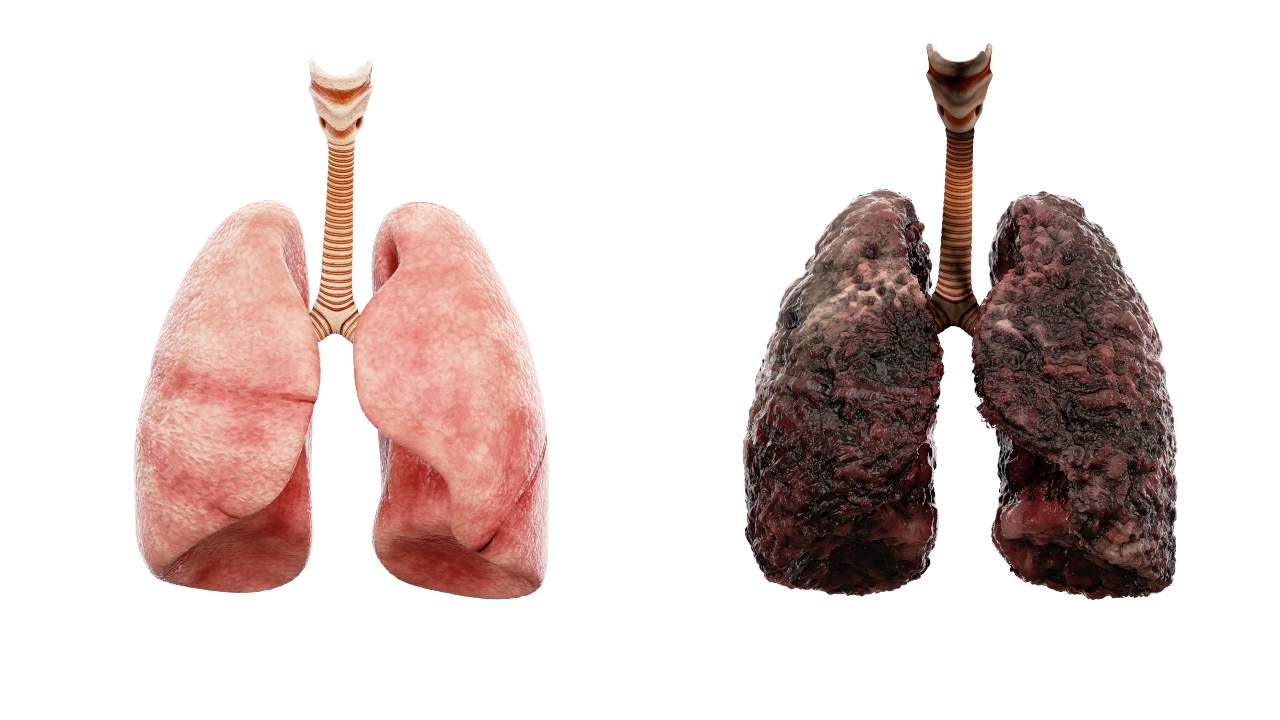
Diseased lungs are more susceptible to the virus than healthy ones. Image courtesy: NI Medical[/caption]The coronavirus pandemic is likely to increase the need. Severely ill patients may suffer lasting lung damage; the first such patient to receive a double lung transplant was reported in June.If there were a way to use even 40% of donated lungs for transplant, instead of the current 20%, the waiting list for lungs could be eliminated, said Dr. Matthew D. Bacchetta, a lung transplant surgeon at Vanderbilt and a lead author of the new paper.Eligibility criteria for a lung transplant are very strict because the supply is so limited. Most medical centers rule out patients age 70 or older, as well as people who are frail, even if they are teenagers whose frailty is caused by failing lungs.“If we could expand the donor pool,” Bacchetta said, “we could avoid a lot of waiting-list deaths and could be more open-minded about who could have a transplant.”Patients might also get lung transplants while they were still relatively healthy, he added. As it stands now, “if you are very sick going into a transplant, chances are you will be very sick going out,” Bacchetta said.The project began when surgeons at Columbia paid a visit to Gordana Vunjak-Novakovic, who directs the university’s laboratory for stem cells and tissue engineering, to talk about making more lungs for transplant patients.She knew that lungs are gas-exchange organs with a surface area about the size of a tennis court. The organs are much more sensitive than other organs to damage and deterioration.Injured lungs easily fill with fluid and then start to break down. The fluids leak into airways, leaving lungs wet and heavy, like soaked sponges.Doctors sometimes give diuretics to brain-dead donors to encourage urination, in an effort to dry out their lungs in preparation for transplant into other patients. The strategy does not often succeed.At first, Vunjak-Novakovic’s group and those at other medical centers tried to bioengineer lungs from scratch. Some groups removed all of the cells from lungs, leaving a scaffold that they seeded with cells.“It looked very cool, but it was leaky,” Vunjak-Novakovic said. “This caused a massive loss of blood.“This was telling us that, unlike other tissues, you cannot make a lung in the lab,” she added.But then a group of researchers at the University of Toronto discovered a way to rescue some lungs. By pumping a clear nutrient fluid into damaged lungs and hooking the organs to a ventilator, the scientists were able to restore some lungs to a usable state.With this method, they have successfully revived and transplanted 600 lungs in the past decade, said Dr. Marcelo Cypel, a lung transplant surgeon at the University of Toronto. But there are limitations: Lungs can be maintained this way only for hours, not days. And few lungs can be rescued.“If you have more time, you have more time to repair the injuries,” Cypel said. “You can’t reverse a pneumonia in just four or six hours. But if you keep the lung for a few days, you can.”So Vunjak-Novakovic and her group decided that instead of making new lungs, they might improve on this method. It was becoming clear that, to recover, lungs needed not just a ventilator but also a body — to remove metabolic wastes and to deliver the energy needed keep the organ alive and restore it to health.The solution? A pig to support the lung as it recovered. In animal experiments, the researchers managed to keep damaged pig lungs “breathing” for four days, long enough for even severely damaged lungs to repair themselves.The scientists were finally ready to try their method with human lungs. The six organs they received, the ones turned down by surgeons everywhere, were gravely damaged. One had already failed to improve after six hours of treatment with the original method, a ventilator and nutrient fluid.But 24 hours after the procedures began, all six lungs looked bright pink and healthy. Laboratory tests showed the lung cells had recovered.“The pig was able to keep the lung alive and allow it to repair itself,” Bacchetta said.Blood from pigs offers both advantages and disadvantages over that of human patients, researchers said. Patients on lung transplant lists are very sick, for example, and may not be able to tolerate having a large tube connected to their necks.But pigs also carry viruses, and their blood cells may cause immune reactions in patients.The system does sound like science fiction, Kon acknowledged. Imagine a transplant patient hooked up to a lung in a box, “breathing” with a respirator.“But this paper really demonstrates that it probably does and can work,” he said.Gina Kolata. c.2020 The New York Times Company

Stroke in young adults, silent symptoms and late diagnosis: India's growing brain health challenge
Brain tumours aren't always fatal, but delayed diagnosis can be: Experts explain the key warning signs
Spices, health and the Indian plate: Why chilli can be good for you—but moderation is still key
Organ donation: 5 myths you need to stop believing, according to a transplant specialist
Fish over meat: Why a pescatarian diet may help people with obesity live longer