


The Liver Doc interview | Debunking myths about India’s fatty liver problem and dangers of disinformation
Moving past online feuds, Dr Cyriac Abby Phillips, popularly known as ‘The Liver Doc’ discusses his new book, the power of storytelling in medicine, and hopes that at least ‘a fraction of readers’ manage to identify their fatty liver

Liver disease is fast emerging as one of India’s most under-recognised public health crises. According to data from the Asian Liver Foundation, approximately 50 to 70 million people are estimated to suffer from some form of chronic liver disease. Around 40 million Indians are chronic carriers of Hepatitis B (HBV), while an estimated 6 to 12 million are living with Hepatitis C.
Over 200,000 deaths annually are attributed to liver disease, making it the 10th most common cause of death in the country. Cirrhosis alone accounts for more than 100,000 deaths each year.
Against this backdrop, hepatologist and public health commentator Dr Cyriac Abby Phillips, widely known as The Liver Doc (@theliverdoc), has for years been at the centre of online battles around medicine, misinformation, and the booming, unregulated wellness industry. Be it his videos, viral threads, or in extreme cases, even legal battles, Dr Phillips has emerged as one of the most outspoken defenders of evidence-based medicine.
 More from Health
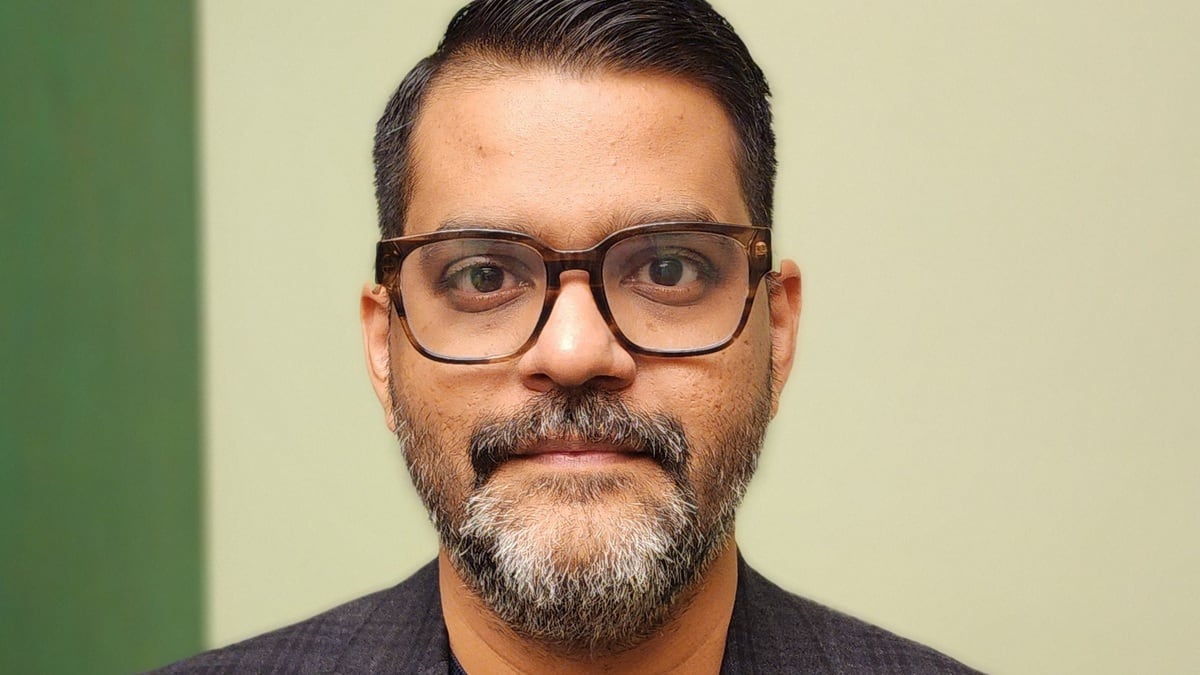
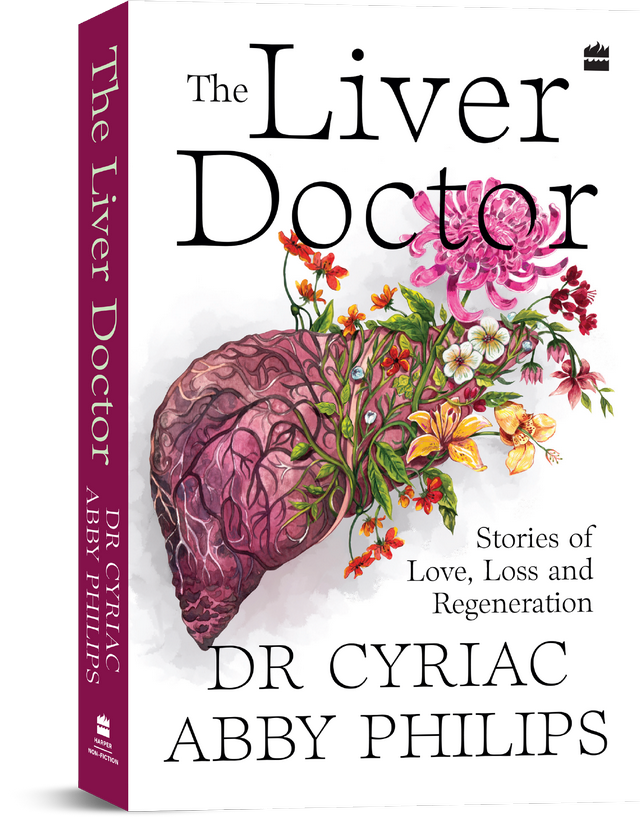
Now, with his book The Liver Doctor: Stories of Love, Loss and Regeneration, Dr Phillips moves beyond social media takedowns and scientific rebuttals to tell deeply human stories from hospital corridors. He tells the story of illness, loss, survival, and the emotional weight doctors carry long after patients leave the ward. In a conversation with Firstpost, Dr Phillips discusses why he believes storytelling is more powerful than textbooks.
The interview has been edited for brevity.
The description of the book is interesting — life, death, healing, moving between myth, history, and evidence-based medicine. Could you share a bit more about the book?
This book is what happens when a doctor stops pretending he is separate from the people he treats. The liver has lived in human imagination for far longer than it has lived in human textbooks. It was punished in Greek legend, exalted in Vedic and Tibetan texts, butchered for soothsayers (the haruspex ritual) in Rome, dissected in Renaissance anatomy theatres, and is now quietly responsible for one of the largest, least acknowledged disease burdens in 21st-century India, particularly in alternative medicine and liver diseases.
I wanted to write a book that honoured all of those lives the organ has lived. Every chapter opens with a real patient who walked into my clinic alive and ends somewhere I had to make peace with — a transplant ward, a funeral, a follow-up that never came.
You have been one of the most vocal advocates of science-led medicine. Is this book another step in that direction?
It is probably the loudest step I have taken, and the most deliberate. A Twitter (now X) thread can change minds for a week. A YouTube video can change minds for a month. A book, if it is honest enough, can change minds for a generation. Most of what I have written publicly until now has been reactive: a counter to a viral reel, a rebuttal to a celebrity claim, a takedown of a product that should never have been on the shelves. The book is the first thing I have written that is not chasing somebody else’s lie.
The book feels personal despite taking clinical cases as the premise — vulnerable, human. Do you think telling stories is a more powerful way of reaching the reader than plain medical data?
I was, in fact, never one to write about overrated rubbish such as “ten foods for your liver” or a medical textbook on the liver. Medical writing in India has been allergic to its own humanity… We write as if we have never wept in a hospital corridor, never run out of options at three in the morning, never sat across from a family and told them there was nothing left to try.
A statistical output has never made a mother stop her child’s alternative medicine. A dying child does… Data tells you the truth, while a story makes you act on it. The communicators of pseudoscience understood this decades before we did. The book is, in part, an attempt to take that weapon back.
One of the book’s themes is the danger of unregulated medicine. Do you think the book will change that?
I am a doctor — by default, a teacher. I am not, by training or temperament, an optimist. One book will not undo centuries of indoctrination or a multi-thousand-crore disinformation economy that has lobbyists, regulators, celebrity endorsers, and paid-for “health experts”. I have no illusions about that. What this book can do, however, is something the disinformation economy cannot easily counter. It can change one reader. It can change one family.
Your book is about liver diseases. How will it help patients?
It will not diagnose anyone, and I am careful in the book to make that explicit. No book can replace a hepatologist. What the book will do is teach readers three things they currently learn far too late in the course of their disease. It will teach them which symptoms are not ‘trivial’ and demand more serious evaluation, and will take them into the world of hepatology, which is rich in myths and science. It will teach them to be wary of products and practices that are sold with big claims and little evidence. And it will teach them the real heart of medical practice that doctors embrace every single day.
If even a fraction of readers manages to identify their fatty liver, their unmonitored alternative medicine habit, their alcohol problem, or a family member’s ‘trivialised’ symptom or sign early enough to act on it, the book will have repaid its cost a thousand times over.
What are the common liver myths the book breaks?
The list is longer than most readers expect, which is partly why the book exists. That fatty liver is harmless because everyone has it... A normal ultrasound rules out serious liver disease. That liver enzymes alone tell the full story, when in fact some of the worst liver diseases in my practice have presented with deceptively unremarkable bloodwork.
That Ayurvedic, Unani, Siddha, and homoeopathic preparations are inherently gentler and cheaper than standard pharmaceuticals, when the truth is precisely the opposite for many patients I see. That hepatitis B is a death sentence and hepatitis C is incurable, both of which are entirely wrong in 2026 and rob patients of treatments that genuinely work. That alcohol affects the liver only when consumed in obvious excess. That detox products do anything other than fund their manufacturers.
That cirrhosis is uniformly irreversible, which is no longer true for many causes if caught in time. And the most expensive myth of all, the one that funds half the wellness industry — that the liver only manages to cleanse itself if you help it. It cleanses itself precisely because you do not.
Your book deals with regeneration. Does India’s public health discourse also need regeneration? Your book seems like a critique of the healthcare system...
The liver is the only organ in the human body that genuinely regenerates after injury, and that biological fact has always struck me as a quiet rebuke to the institutions surrounding it. Indian public health, by painful contrast, has been treating the same injuries for 40 years without ever learning from them. Every few years, there is a fresh exposé, a flurry of outrage, a committee, a recommendation, and then a return to the previous arrangement, with the same actors slightly rebranded. The book argues, ultimately, for a healthcare culture that earns the trust of its patients rather than demanding it, regulates its parallel industries rather than blessing them, and treats its young doctors well enough that they want to stay and fix it.
After years of online battles and public criticism, what has this fight cost you?
The honest answer is that it has cost a great deal more than I am usually willing to admit in public. Sleep and privacy entirely. A meaningful measure of personal safety for myself and my family. A huge financial drain dealing with legal harassment and frivolous police cases from Ayush practitioners. Friendships within the profession that decided silence was the safer career. Time with my children and family…
That strange and slightly unbearable isolation of being publicly right in a culture that prefers its experts to be quietly compliant. And every so often, the worst cost of all — opening the news or a referral letter and recognising the product or practice on a death certificate from a thread I wrote three years ago that not enough people saw in time. That is the price that does not lighten with years. I keep going because the alternative is to know exactly what is happening and choose to be silent about it, and that is a version of myself I cannot live with.
Toufiq Rashid is a journalist with over 25 years of experience in print and digital media. She covers health and lifestyle.
Tags

Stroke in young adults, silent symptoms and late diagnosis: India's growing brain health challenge
Brain tumours aren't always fatal, but delayed diagnosis can be: Experts explain the key warning signs
Spices, health and the Indian plate: Why chilli can be good for you—but moderation is still key
Organ donation: 5 myths you need to stop believing, according to a transplant specialist
Fish over meat: Why a pescatarian diet may help people with obesity live longer