


India’s Serum Institute working on Ebola vaccine: When will it be ready?
The Ebola outbreak that began in the Democratic Republic of Congo has spread to Uganda and South Sudan. This version, the Bundibugyo strain, has resulted in over 220 suspected deaths. There have been over 900 suspected cases and more than 100 confirmed cases. But what do we know about a potential vaccine being developed by the Serum Institute of India?

Many people around the world are worried about the Ebola virus.
The outbreak, which began in the Democratic Republic of Congo in Central Africa, has now spread to Uganda and South Sudan. The Bundibugyo strain has resulted in over 220 suspected deaths, with more than 900 suspected cases and over 100 confirmed cases.
While vaccines and monoclonal antibody treatments exist for the Zaire Ebola strain, there is no approved treatment for Bundibugyo. That gap is now driving urgency around a new vaccine candidate being developed by the Serum Institute of India.
But what do we know about this vaccine? How will it work?
 More from Health
Let’s take a closer look.
What we know
The Pune-based Serum Institute of India is working with researchers at the University of Oxford to develop a vaccine for the Bundibugyo strain.
The low down: The shot uses the same platform as the AstraZeneca COVID-19 vaccine — a viral vector approach that enables faster development and scaling.
The Serum Institute is preparing to manufacture the vaccine in collaboration with the University of Oxford and the Coalition for Epidemic Preparedness Innovations.
What experts are saying:
Teresa Lambe, Head of Vaccine Immunology at the Oxford Vaccine Group, said researchers are moving quickly:
“Animal studies for the Oxford vaccine candidate are already under way and will be progressing with partners around the world. Serum Institute of India is an organisation that goes far and fast. So we are hoping to have clinical-grade vaccine doses ready within two to three months.”
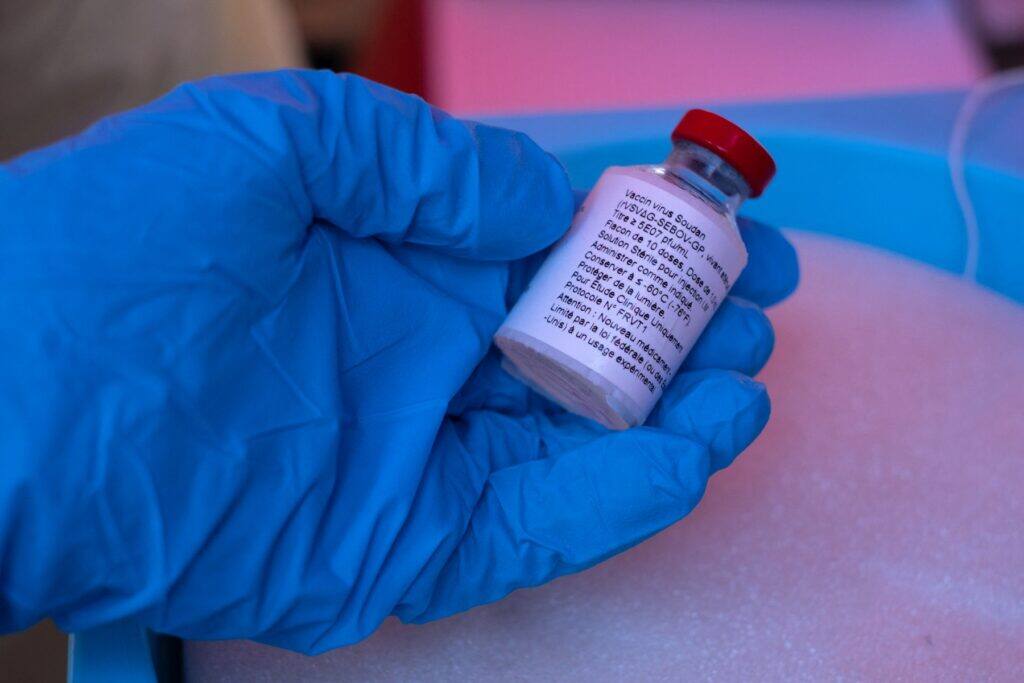
Lambe added that the goal is a single-dose vaccine, similar to that used for the Zaire strain, capable of triggering both antibody and T-cell responses.
“Scientists believe both antibodies and T-cells… will be important for protection, although there is still limited understanding of long-term immunity against the Bundibugyo strain.”
Concerns and challenges
Yes, but: Vasee Moorthy last week warned that the vaccine’s efficacy remains untested, even in animals.
“It is possible that doses could be available for clinical trial in two to three months, but there is a lot of uncertainty.” He stressed that animal trials are essential before the vaccine can be considered a promising candidate.
Alongside vaccine work, Oxford scientists have launched the PARTNERS trial — a multinational platform to test Ebola treatments, including monoclonal antibodies and antiviral drugs.
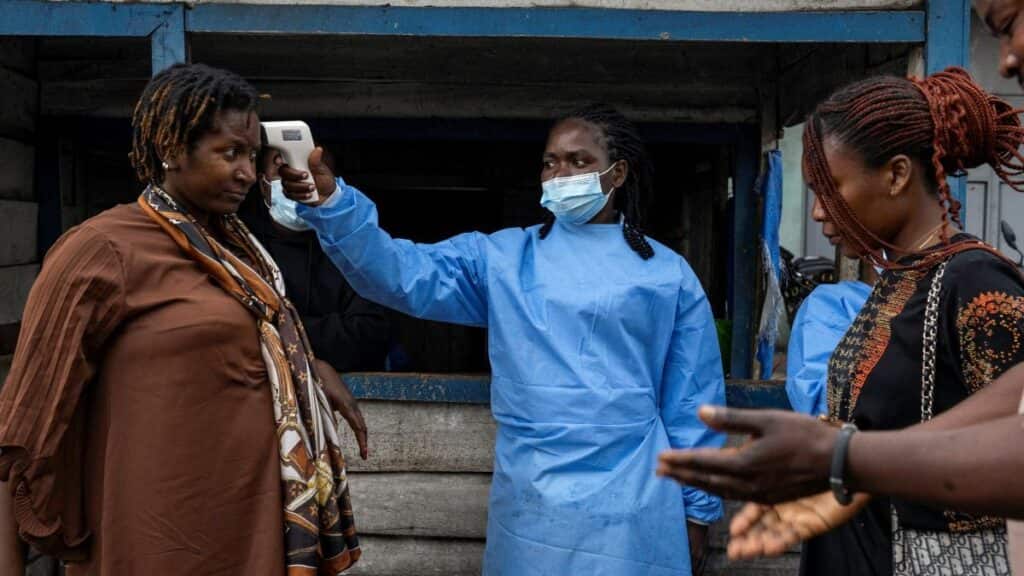
Amanda Rojek said safety remains the priority:
“Before these treatments can be used, they must undergo rigorous testing. The length of the trial will depend on how well the therapy performs during testing.”
The bigger picture
According to the World Health Organization, Ebola is a severe and often fatal disease with a fatality rate of around 50 per cent. It spreads through bodily fluids and contaminated materials such as bedding and clothing, after initially transmitting from animals including fruit bats and primates.
There are four known strains of Ebola that infect humans, including Zaire and Bundibugyo. The latter has caused only two known outbreaks — in Uganda (2007) and DR Congo (2012) — but has proven deadly, killing roughly a third of those infected.
The backdrop
The deadliest Ebola outbreak occurred in West Africa in 2014, killing more than 11,000 people. That outbreak, involving the Zaire strain, saw more cases and deaths than all previous outbreaks combined and spread across Guinea, Sierra Leone and Liberia.
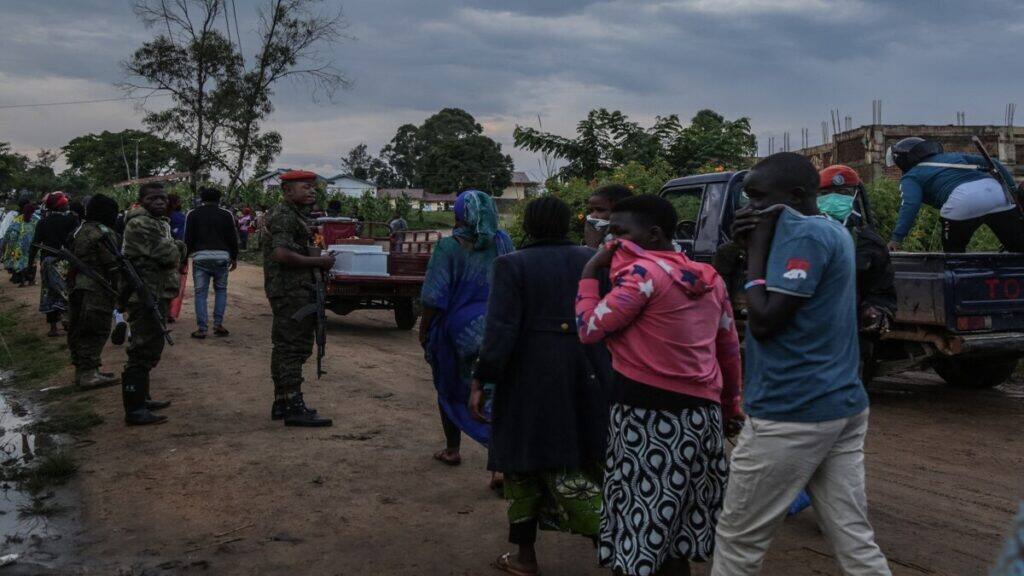
If untreated, the Zaire strain can have a fatality rate of up to 90 per cent, which led to the rapid development of vaccines and treatments for that strain.
What’s next: Animal trials are already under way, and early clinical-grade doses could be ready within two to three months.
Bottom line: There is momentum, but also significant uncertainty. The timeline for wider availability will depend on how the vaccine performs in safety and efficacy trials.
FAQs
1. Why is there no vaccine for the Bundibugyo strain?
Most Ebola research has focused on the Zaire strain, which has caused larger outbreaks, leaving Bundibugyo relatively under-researched.
2. How soon could the vaccine be ready?
Researchers hope to have clinical-grade doses within two to three months, but full approval will depend on trial results.
3. How dangerous is Ebola?
Ebola has a fatality rate of around 50 per cent on average, though some strains like Zaire can reach up to 90 per cent if untreated.
With inputs from agencies

Stroke in young adults, silent symptoms and late diagnosis: India's growing brain health challenge
Brain tumours aren't always fatal, but delayed diagnosis can be: Experts explain the key warning signs
Spices, health and the Indian plate: Why chilli can be good for you—but moderation is still key
Organ donation: 5 myths you need to stop believing, according to a transplant specialist
Fish over meat: Why a pescatarian diet may help people with obesity live longer