


Air pollution from transport, factories clear out in European countries during coronavirus lockdown
Air pollution causes around 400,000 premature deaths each year in Europe, EEA data show.

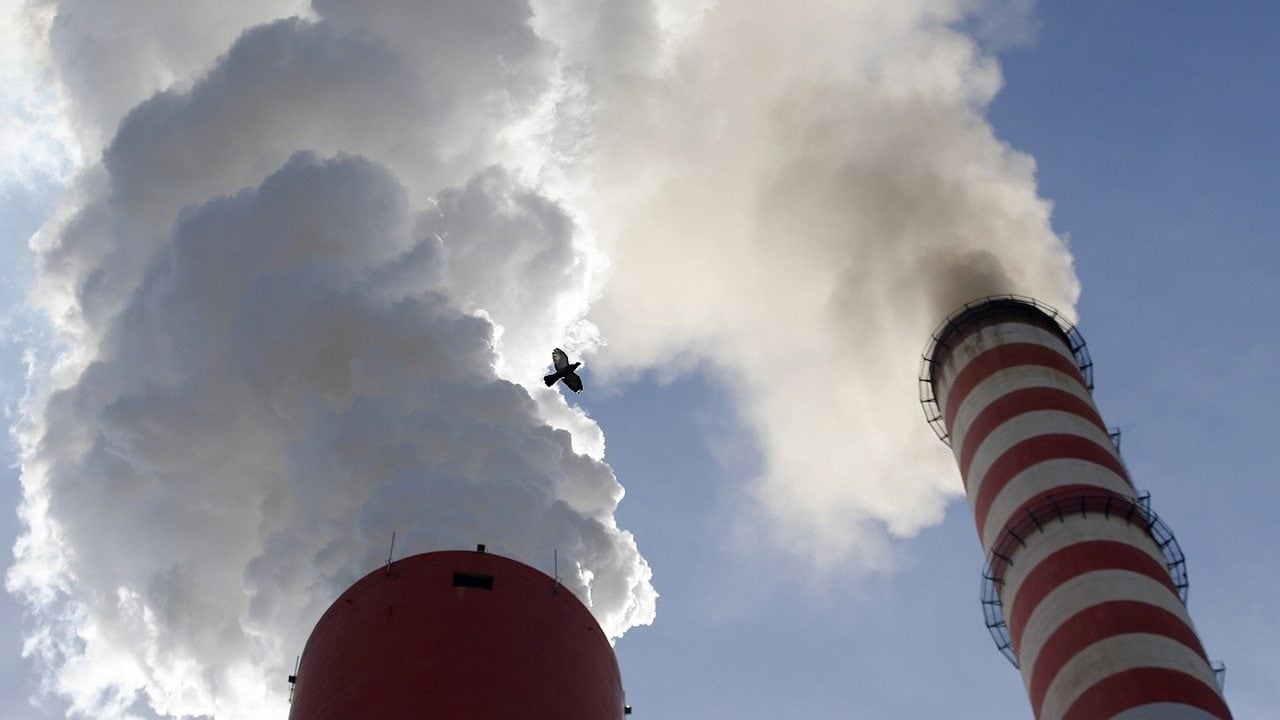
A bird flies past as smoke emits from the chimneys of Serbia's main coal-fired power station near Kostolac, Serbia. Image credit: AP[/caption]The new images, released by the European Space Agency (ESA) and analysed by the non-profit European Public Health Alliance (EPHA), show the changing density of nitrogen dioxide, which can cause respiratory problems and cancer, like heat maps.Daily weather events can influence atmospheric pollution, so the satellite pictures took a 20-day average and excluded readings where cloud cover reduced the quality of the data.Data from the European Environment Agency (EEA) showed a similar trend over March 16-22. In Madrid, average nitrogen dioxide levels decreased by 56% week-on-week after the Spanish government banned non-essential travel on March 14.The EPHA said people living in polluted cities may be more at risk from COVID-19, because prolonged exposure to bad air can weaken the immune system, making it harder to fight infection.“That connection is very likely,” Zoltan Massay-Kosubek, policy manager for clean air at EPHA, told Reuters. “But because the disease is new, it still has to be demonstrated.”Air pollution can cause or exacerbate lung cancer, pulmonary disease and strokes.China also recorded a drop in nitrogen dioxide pollution in cities during February, when the government imposed draconian lockdown measures to contain the raging epidemic.In some regions of Poland, however, nitrogen dioxide levels remained relatively high during the period despite its lockdown, perhaps due to the prevalence of coal-based heating.Countries that went into lockdown later - such as Britain, which did so on March 23 - look set for a pollution reprieve in coming weeks, EPHA said.Air pollution causes around 400,000 premature deaths each year in Europe, EEA data show.

Stroke is rising among young adults. Doctor explains why it's happening and what you must do
Stroke in young adults, silent symptoms and late diagnosis: India's growing brain health challenge
Brain tumours aren't always fatal, but delayed diagnosis can be: Experts explain the key warning signs
Spices, health and the Indian plate: Why chilli can be good for you—but moderation is still key
Organ donation: 5 myths you need to stop believing, according to a transplant specialist