


Why WFH, carpooling, public transport use are needed if India wants to absorb oil shocks
Since the outbreak of the Iran war, India has cut fuel taxes and absorbed global price shocks to shield consumers. Now, PM Narendra Modi has urged remote work, carpooling, and the use of public transport. Experts say this can help ease pressure on crude oil demand

Prime Minister Narendra Modi’s speech on Sunday asking Indians to conserve has left many wondering if the country is facing an oil shock.
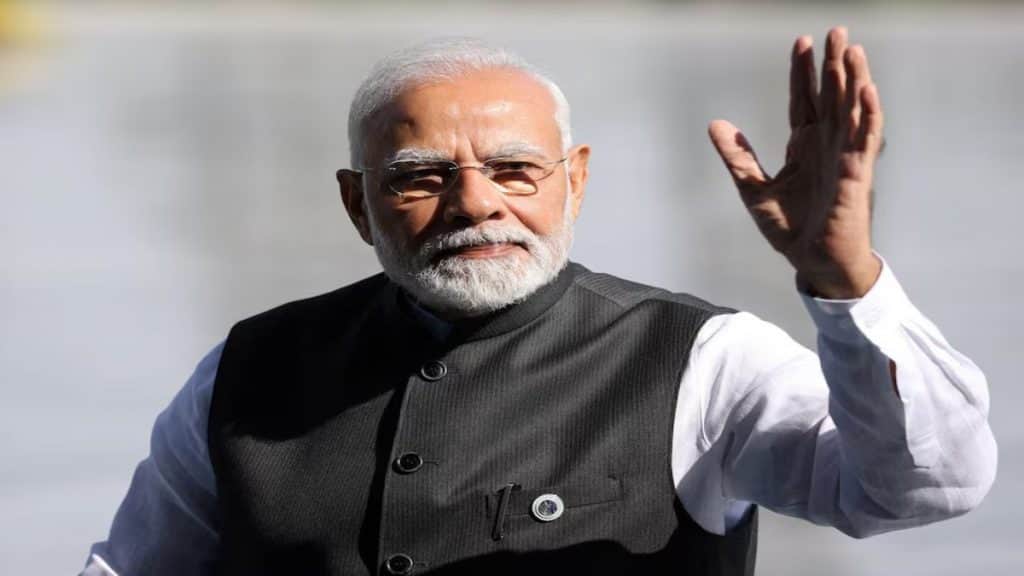
Modi urged citizens to conserve fuel, carpool, not buy gold, avoid foreign travel, work from home and buy Indian-made products in the backdrop of the West Asia crisis. Modi made the remarks while addressing a public meeting at Parade Ground in Secunderabad.
“When there is pressure on the supply chain, difficulties increase despite various measures taken by the government to overcome the crisis. During such a global crisis, we must place the country above everything else and take certain collective resolutions,” Modi said.
But how has India shielded its citizens from the oil shock? Will carpooling and other measures help?
 More from Explainers
How India has shielded citizens from oil shock
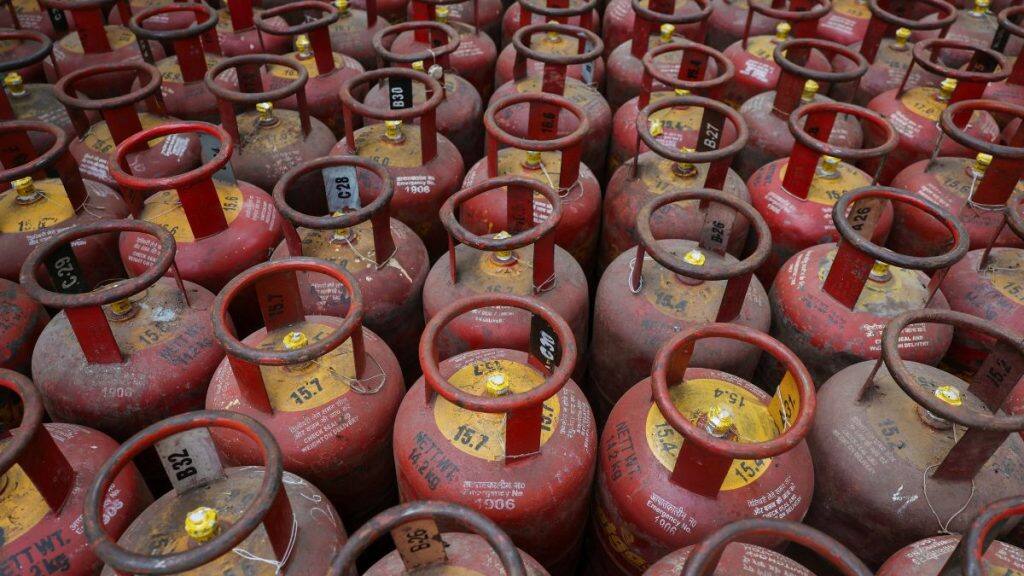
As per India Today, in the immediate aftermath of the crisis, the Centre put out an LPG Control Order and ordered refineries to sharply increase domestic LPG production. LPG output reportedly rose from around 36,000 tonnes to nearly 54,000 tonnes per day. The Centre also cut special excise duty on petrol from Rs 13 per litre to Rs 3 per litre, while diesel excise duty was reduced from Rs 10 per litre to nil. This has cost the government around Rs 14,000 crore per month.
According to reports, India’s state-owned oil firms – Indian Oil Corporation (IOC), Bharat Petroleum Corporation Ltd (BPCL) and Hindustan Petroleum Corporation Ltd (HPCL) – are spending Rs 1,600–Rs 1,700 crore per day to insulate Indian consumers from the global energy shock. Over the past 10 weeks, these firms have spent Rs 1 lakh crore to protect Indian consumers, sources told Economic Times.
The development comes amid a sharp rise in global oil prices, with Brent crude hitting a high of around $119 (Rs 11,331 approx) per barrel in the backdrop of the Iran war before falling back to the $100 (Rs 9,522 approx) per barrel mark. Today, Brent is around $104 (Rs 9,903 approx) per barrel compared to around $70 (Rs 6,665 approx) per barrel at the beginning of the Iran war.
Meanwhile, petrol and diesel prices have remained at Rs 94.77 per litre and Rs 87.67 per litre for the past two years. Unlike other nations, which have imposed rationing and steeply hiked prices, India has kept the price of fuel steady. A number of countries including Japan and the UK have hiked fuel prices by as much as 30 per cent since the beginning of the West Asia war. Despite domestic cooking gas LPG prices being raised in March by Rs 60 per cylinder, they remain quite under the actual cost.
Sources have said these oil marketing companies (OMCs) may need to rejig their operations if fuel prices are not hiked. “If elevated crude prices persist for an extended period, OMCs may require higher working capital borrowings and calibrated reprioritisation of some capex timelines," a source told the newspaper. "However, strategic investments in refining expansion, energy security infrastructure, ethanol blending, biofuels, and transition fuels continue to remain national priorities and are expected to proceed with government support.”
“Financially strong OMCs are critical for India’s energy security, supply continuity, infrastructure expansion, and economic stability. Sustained stress on OMC balance sheets could affect future investments in refining, pipelines, strategic reserves, clean fuels, and energy transition initiatives,” the source added. Another source said hiking petrol and diesel prices is a call that the government will have to take. “There is no doubt that a fuel price hike has become inevitable, but the timing and quantum of increase have to be decided by the government.”
While the Indian government has said that it has no intention of raising fuel prices, sources told India Today petrol and diesel prices may soon be increased by around Rs 4–5 per litre, while domestic LPG cylinders could see a hike of nearly Rs 40–50.
Ex-Indian Oil Corporation chairman B Ashok said the Centre is prioritising protecting the common man. “The basic principle has been to shield the common consumer from the impact of the global conflict. Despite the rise in international crude and fuel prices, the burden has not been passed entirely to consumers,” he said. Ashok warned that this is an unprecedented crisis. “This level of crisis has never been seen before. Earlier conflicts affected supply only for days or weeks. This conflict is now entering its third month with no clear end in sight,” he said.
He added that India may have to brace for higher prices, tax rationalisation by states and tighter energy management. “Otherwise, the country could face supply disruption, economic slowdown and weakening of the energy sector,” Ashok added.
Modi also earlier pointed out that India is diversifying its sources of oil and gas. He added that India has expanded its energy imports from just over two dozen to 41 countries over the past decade.
However, ex-UAE ambassador Sunjay Sudhir told India Today that the country remains highly reliant on West Asia. “Nearly 50 per cent of our crude oil, 90 per cent of LPG and 60 per cent of gas still comes from Gulf countries,” he said.
Will carpooling, other measures help?
According to the International Energy Agency (IEA), carpooling can help during periods when oil prices are high and supply remains disrupted. It said that higher vehicle occupancy and reduced congestion can lower oil consumption, particularly in densely populated urban areas where the use of private vehicles remains high. It said people can “choose to share a ride to reduce oil demand” and called carpooling one of the quickest demand-side responses available during an energy shock.
It said wider efforts to reduce private vehicle usage could potentially lower national road fuel consumption by up to four per cent in some countries when combined with public transport use, remote working and other behavioural changes. It added that in countries like India, which has a sizeable number of diesel cars, it could have a notable impact on diesel consumption.
According to the Automotive Skills Development Council (ASDC), carpooling can help consumers save money amid rising fuel prices while also reducing pressure on traffic congestion and emissions. The organisation noted that sharing rides lowers individual fuel expenses, toll costs and overall vehicle wear and tear because multiple commuters split the travel cost. ASDC also described carpooling as “one of the easiest ways to lower your carbon footprint”, pointing out that fewer vehicles on the road can help cut fuel consumption and air pollution. The ASDC further said carpooling can reduce stress associated with daily commuting by decreasing the number of vehicles in traffic and promoting more efficient road usage.
Remote work, meanwhile, eliminates daily commuting entirely, which in turn decreases petrol and diesel consumption. Even partial adoption of work-from-home measures can help bring down urban fuel demand, traffic congestion and overall oil import dependence.

When it comes to gold, India is one of the world’s largest importers. Indians pay for gold in foreign currency, mainly US dollars. Reducing gold purchases helps conserve foreign exchange reserves, which are also needed to pay for essential imports like crude oil. Lower gold imports can therefore ease pressure on the rupee during a global energy crisis.
International travel also results in a significant outflow of foreign exchange because spending on hotels and expenses abroad occurs in foreign currency. Cutting down on foreign trips helps retain dollars within the country. Meanwhile, imported goods involve foreign exchange and energy-intensive global supply chains. Choosing domestically produced goods brings down import bills and supports local industry.
Experts say such measures may not completely offset a global oil shock, but they can help reduce pressure on fuel imports, foreign exchange reserves and urban congestion if adopted at scale.
What PM Modi said
Modi urged citizens to curb their use of petrol and diesel.
“The need of the hour is to use petrol, diesel, gas and other petro products with restraint. Imported petro products should be used only as per need. This will not only conserve foreign exchange reserves but also reduce the adverse impact of war. We do not have to donate now, but we should at least resolve not to buy gold at functions for one year to conserve foreign exchange reserves,” he added.
He added that citizens should refrain from buying gold. “We do not have to donate now, but we should at least resolve not to buy gold at functions for one year to conserve foreign exchange reserves,” he said. He urged people to reduce consumption of cooking oil.
“I have been saying, reduce the use of cooking oil by 10 per cent. This will not only help the nation during these times but also improve the health of your family,” he said.
He urged citizens to use the Metro and public transport as well as carpool. “Use Metros wherever they are available. Use carpooling to go to places, and use the Railways if you have to transport goods. All of this will reduce dependency on petrol and diesel, and thereby decrease pressure on foreign exchange reserves,” the Prime Minister said.
He advocated a return to work-from-home. “We developed work-from-home systems, virtual meetings and video conferencing during the Covid period and became habituated to them. The need of the hour is to resume those practices,” he said. He also asked citizens to prefer local destinations rather than foreign trips. “In India, we have many places to see... We have to conserve foreign exchange reserves by every possible means,” he said.
He called on farmers to bring down the use of chemical fertilisers and engage in organic farming. “If we reduce chemical fertiliser usage by even 20% to 50% and adopt organic farming, it will help,” he said. He asked citizens to buy products that are made in India. “I am not asking people to throw away foreign goods, but not to buy them in future. This is not the duty of any political party alone. It is the responsibility of every citizen,” he said.
FAQs
1. How is India protecting consumers from rising oil prices?
India has cut excise duties, increased LPG production and absorbed costs through state-run oil companies to keep petrol and diesel prices stable.
2. Can carpooling really reduce fuel consumption?
Yes, experts say higher vehicle occupancy and reduced congestion can lower oil demand, especially in densely populated cities.
3.Why did PM Modi ask people to avoid buying gold and foreign travel?
Both lead to outflows of foreign exchange. Reducing them helps conserve reserves needed to pay for essential imports like crude oil.
With inputs from agencies

Delhi Police asks personnel to wear uniform: What the law says on cops in plainclothes during protests
Military drones & police check-ups: How Sri Lanka is fighting against worst dengue outbreak in a decade
How Facebook job ad lured 2 Karnataka men into Myanmar cyber scam camp
Why is India seeing 95% cloud cover despite a Super El Niño?
What is CJP’s fourth demand to the government as protests in Delhi intensify?