


Why the Iran-US peace deal is being slammed by hardliners in Tehran
Thousands of people have taken to the streets in Iran to march against a peace deal with the US. Many of the protesters directed their ire at Foreign Minister Abbas Araghchi and Parliament Speaker Mohammad Bagher Ghalibaf. But why are so many people, activists and lawmakers opposing negotiations with the US?

A peace agreement between Iran and the United States is angering hardliners in Tehran.
Across Iran, thousands of people took to the streets over the weekend to march against the deal. Many of the protesters directed their ire at Foreign Minister Abbas Araghchi and Parliament Speaker Mohammad Bagher Ghalibaf.
Hardline Iranian lawmakers too have slammed the framework, with some evening questioning if it has the backing of Supreme Leader Mojtaba Khamenei.
But what do we know? Why are Iranian hardliners upset over the Iran-US deal?
Let’s take a closer look.
What do we know?
The Jerusalem Post quoted Qatari-owned Arabic newspaper Al-Araby Al-Jadeed as saying that Iranian hardliners took to the streets in Tehran and Mashhad over the weekend. The hardliners took aim at the contours of the agreement between Iran and the United States, particularly provisions related to a ceasefire and the reopening of the Strait of Hormuz, and singled out senior Iranian negotiators and officials.
 More from Explainers
In Tehran, protesters gathered and chanted slogans against Araghchi and Ghalibaf. In the eastern city of Mashhad, demonstrators gathered outside a Foreign Ministry office. “Araghchi, be ashamed and leave the country,” protesters chanted. Others repeated, “Ghalibaf, Araghchi – what about the blood of our leader?”
A separate demonstration was held in Mashhad outside a Foreign Ministry office, where participants also raised slogans against Araghchi. There were also some reports on social media about back-and-forth clashes in some areas between supporters and opponents of the deal. According to AFP, dozens of people had gathered after Araghchi discussed the agreement during a televised interview.
Iran’s Fars news agency showed women in black chadors waving red-and-black flags and chanting slogans against Araghchi. Among the slogans chanted were “Death to Araghchi, the dishonourable compromiser,” “Araghchi, have shame, stop giving in,” and “Death to dishonourable Araghchi, the infiltrator.”
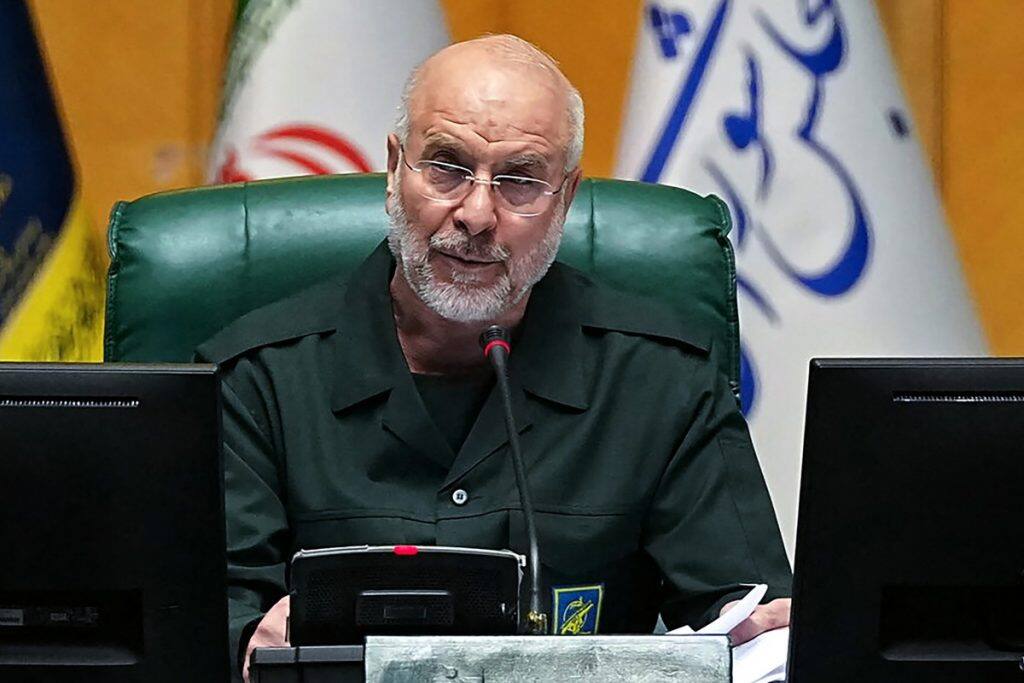
Reuters also reported protests by opponents of the agreement in Tehran and other locations. Videos reviewed by the agency appeared to show demonstrators blaming Araghchi for negotiating with Washington. A resident of Mashhad told the outlet that some demonstrators shouted, “Death to the compromiser” and “Compromiser, resign, resign,” in an apparent reference to Araghchi.
Why are Iranian hardliners upset?
According to CNN, opposition to engaging with Washington is not new within Iran. However, what is different is the ferocity with which some groups, leaders and activists are opposing the agreement, which they believe undercuts Tehran’s achievements during the war. The outlet said the nezam, as Iran’s political establishment is known, has been at pains to present a solidified front during negotiations with Washington.
That includes Supreme Leader Ayatollah Khamenei, President Masoud Pezeshkian, Araghchi, parliamentary leaders and the military. The outlet said that state media figures, veteran conservative politicians and activists who believe Iran has won the war with the US are against any agreement with Washington. They have even claimed that the top leadership is being misled about the deal.
According to Al-Araby Al-Jadeed, those activists and lawmakers opposing the deal come from the conservative camp in Iran. Many of them are close to Saeed Jalili, the former secretary of Iran’s Supreme National Security Council. Hardline Iranian figures have argued that the agreement does not adequately protect Iran’s interests and could weaken the country’s leverage over the strategically important Strait of Hormuz.
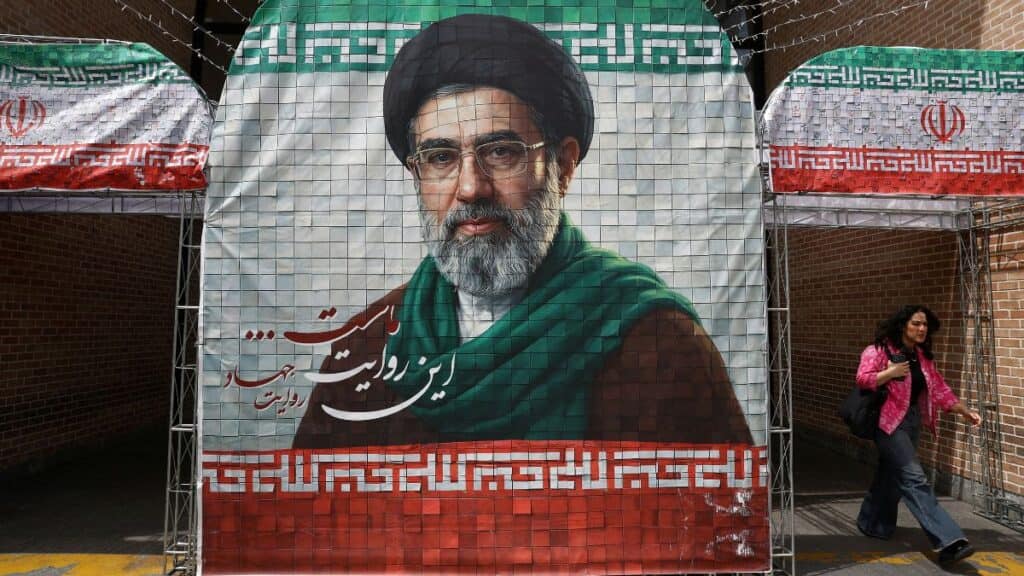
Critics have accused Iranian negotiators of making too many concessions in order to secure an agreement with Washington. Hossein Shariatmadari, the editor of the hardline Iranian newspaper Kayhan, has also slammed the deal in an editorial entitled “A letter to Messrs Ghalibaf and Araghchi”. “Did closing the Strait of Hormuz really block the commercial and economic breathing route of the enemy?” Shariatmadari wrote.
He added that obtaining compensation from Washington “was and remains” one of the demands announced by the leader of the revolution. He questioned how Iran would achieve this if it agreed to reopen Hormuz and argued that doing so would undermine its leverage. Shariatmadari also dismissed proposals for Iran to swap control over Hormuz for shipping service fees as inadequate and warned that this would embolden Tehran’s enemies.
“The fact that they say we won and America has retreated is a blatant lie,” Iranian MP Kamran Ghazanfari was quoted as saying by The Guardian. Meanwhile, Meysam Nili, the managing director of Rajanews and brother-in-law of the hardline former president Ebrahim Raisi, termed the deal a “catastrophic capitulation”.
The Khorasan newspaper too expressed outrage. “If the regime is going to grant freedom of speech and assembly to this group so that they can chant slogans against the negotiations and the negotiators, similar freedom must be given to those in favour of the agreement so that they can also gather and march in support of the regime’s decision to end the war, sign the agreement, and even resume relations with the United States,” it said.
“Then it will become clear that the majority of the Iranian people support the regime’s will for the agreement, and the minority cannot impose its will on the regime and the nation through shouting, using national radio and television, and dominating public gatherings.”
What is the establishment saying?
According to The National, Araghchi on Sunday said the peace deal with the United States “has never been closer” and is now moving towards formalisation. He has also claimed on Iranian state TV that Tehran has been “the winner of the war with the US”.
As per The Guardian, Mehdi Mohammadi, an adviser to Ghalibaf, has hit back at critics. He claimed that the deal is better than the 2015 nuclear agreement signed under Barack Obama. “This time, it is not like we will shut down the nuclear programme and wait for them to lift the sanctions,” he said. “There is no such wishful thinking. The strait is in our hands; we can close it any time we want, within an hour.”
“We know that America will not give us money,” he added. “The Arab countries have pledged this money and are forced to give it, because we are above them and they have seen our power in the region. One of the implications of this agreement is that Arab countries have been forced to accept Iran’s sovereignty and superiority and participate in making concessions.”
Others have tried to tone down divisions.
Judiciary chief Gholam-Hossein Mohseni-Ejei took to X to call for “unity” across “the battlefield, the streets, diplomacy and the media”. He added that “wicked Zionists” hoped Iranians would abandon the streets, something they would “take to their grave”.
FAQs
1. Why are Iranian hardliners opposing the Iran-US deal?
They argue the agreement makes excessive concessions and risks weakening Iran’s strategic leverage, particularly over the Strait of Hormuz. Many also believe it undermines Iran’s gains during the war.
2. If the deal is finalised, why is there still backlash?
Although finalised in principle, the agreement has not yet been formally signed. Hardliners are trying to shape or stall it by mobilising public and political pressure before it is sealed.
3. Could the deal still fall through?
Yes. The agreement still needs to be formally signed and implemented. Internal opposition in Iran and unresolved issues, especially around the nuclear framework, could still affect its outcome.
With inputs from agencies

Why has Bangladesh’s choice of India spokespersons raised eyebrows?
Who is Sandeep Lamba, the Delhi cop removed from protest site duty after slapping female protester?
Explorers discover wreckage of plane 72 years later. Will this help in finding MH370?
Cruise missiles, drones and more... The deadly arsenal of the Houthis
Why India may not witness a medal rush at 2026 Commonwealth Games