


Why are protesters calling for fresh elections in Israel? Are Netanyahu's days numbered?
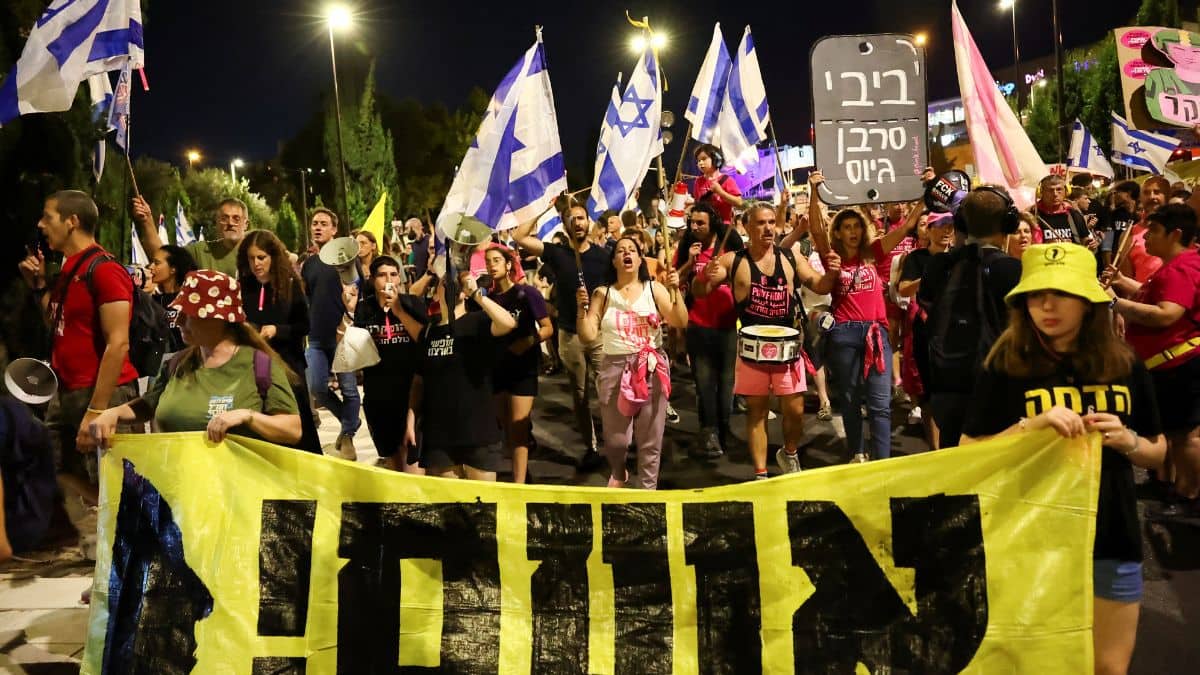
Anti-government demonstrators marched through the streets of Jerusalem, engaging in confrontations with police in the vicinity of Benjamin Netanyahu's residence while demanding new elections. Netanyahu now leads one of Israel's most right-wing coalitions but his popularity is on the wane following the war in Gaza

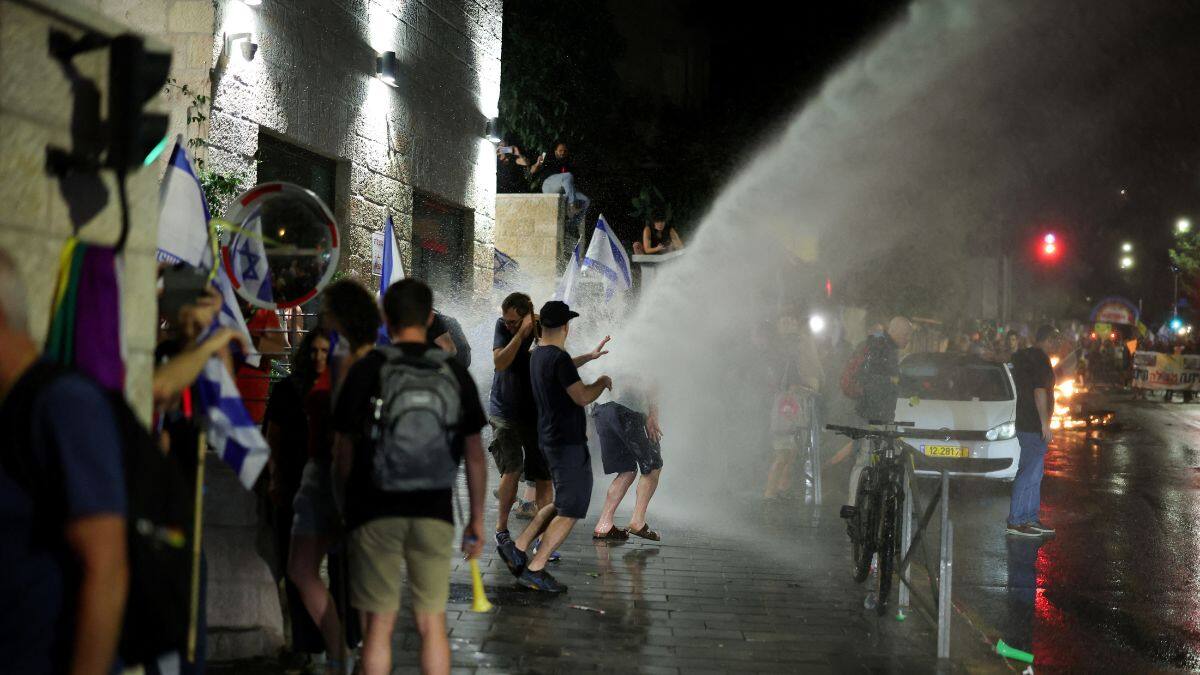
Anti-government protests have surged across Israel, calling for immediate elections and an end to Prime Minister Benjamin Netanyahu's leadership. On Monday, demonstrators clashed with police near Netanyahu's residence in Jerusalem.
These protests were ignited by recent political turmoil, including the departure of two centrist former generals, Benny Gantz and Gadi Eisenkot, from Netanyahu's wartime unity government, leading to its collapse. Netanyahu now relies heavily on ultra-Orthodox and far-right partners, whose controversial policies have exacerbated societal divisions.
What is behind the protests?
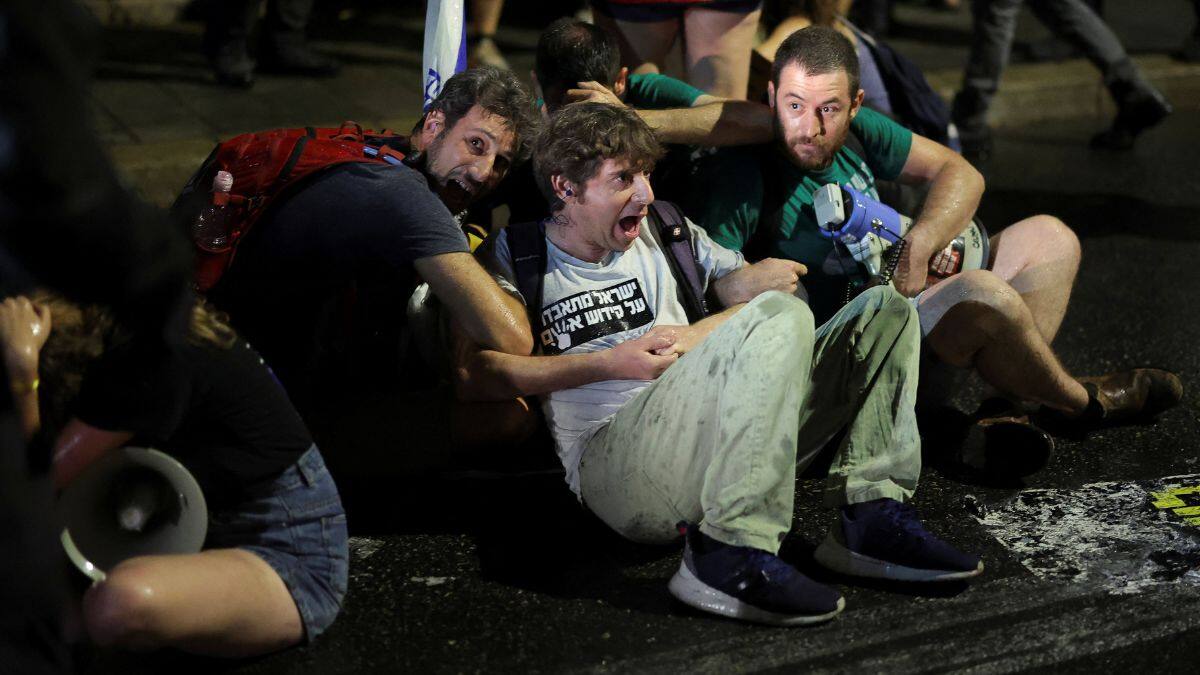
The protests reflect widespread dissatisfaction with Netanyahu's handling of pivotal issues, including the war in Gaza and the exemption of ultra-Orthodox Jews from mandatory military service. Demonstrators blocked major highways and interchanges, igniting fires and clashing with police.
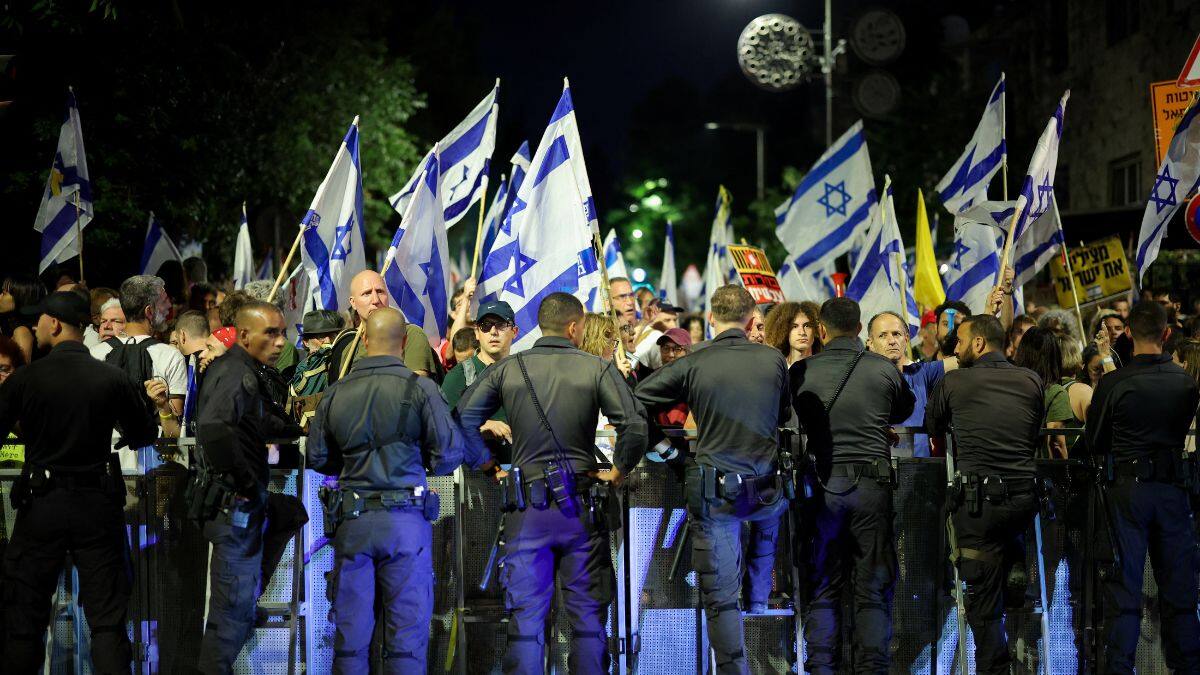
In Jerusalem, thousands gathered outside the Knesset, Israel's parliament, before marching to Netanyahu's home, where tensions escalated as some protesters attempted to breach police barriers.
 More from Explainers
- Government failures and accountability: There is significant discontent among the Israeli public regarding the handling of the conflict with Hamas, particularly following the 7 October incident where Hamas launched a surprise attack. Many protesters blame the Netanyahu government for what they perceive as catastrophic failures in preparedness and strategy.
- Hostage crisis: The ongoing issue of Israeli hostages held by Hamas in Gaza is a major point of concern and frustration. Many Israelis accuse Netanyahu of prioritising political interests over national security, leading to demands for a ceasefire and a deal to secure the hostages' release. The recent dissolution of the war Cabinet, following Gantz's resignation, has further fueled these calls. Protesters are demanding swift and effective action from the government to secure their release. There's a perception that the current government has not prioritised this issue adequately.
- War and ceasefire: There are differing opinions among protesters regarding the continuation of the war in Gaza. While some support continuing until Hamas is dismantled, others advocate for an immediate ceasefire, linking it to the resolution of the hostage crisis. This divergence reflects broader public sentiment about the war's objectives and its toll on both Israeli and Palestinian civilians.
- Political manipulation and leadership: Critics accuse Netanyahu of prioritising political survival over national interests and security. There are allegations that Netanyahu's reluctance to commit to a ceasefire is influenced by his legal troubles and a desire to remain in power, which further fuels calls for his resignation or re-election.
- Coalition fragility: The current coalition government, relying heavily on far-right parties, is perceived as unstable and lacking broad public support. Opposition leaders like Benny Gantz and Yair Lapid have capitalised on this dissatisfaction by advocating for early elections, believing they could win a mandate for a more stable and effective government.
Netanyahu's political and legal motivations
Netanyahu is currently facing trials for bribery, fraud, and breach of trust. Many protesters argue that his political maneuvers, including his approach to the war and the hostage crisis, are driven by a desire to stay in power and avoid legal consequences.
Netanyahu's reliance on far-right coalition partners, who prioritise continuing the war over negotiating a ceasefire, is seen as a political strategy to maintain his grip on power despite dwindling public support.
The Netanyahu government's legislative actions have also sparked outrage. The coalition's vote to lower the age of exemption from mandatory military service for Haredi yeshiva students from 26 to 21 and the discussion of extending the retirement age for IDF reservists have been met with fierce opposition.
Also Read | 'No one has any idea': Top Hamas official on number of Israeli hostages still alive
Activists from the Mothers at the Front and Brothers in Arms groups have blocked the IDF induction center at Tel Hashomer, demanding equal military service for all citizens.
The dissolution of the war Cabinet consolidates Netanyahu's influence over Israel's wartime policies, diminishing the likelihood of a ceasefire in Gaza. Netanyahu's reliance on the security Cabinet, dominated by hard-liners opposed to U.S.-backed ceasefire proposals, underscores his strategic approach to prolong the conflict, potentially to avoid new elections and a corruption trial.
"It means that he will make all the decisions himself, or with people that he trusts who don’t challenge him," Gideon Rahat, chairman of the political science department at the Hebrew University of Jerusalem, told AP. "And his interest is in having a slow-attrition war."
War in Gaza & Internal coalition tensions
Netanyahu's coalition, which includes far-right parties, is seen as fragile and unrepresentative of the majority of Israelis according to recent polls. Key figures in the coalition, such as Itamar Ben-Gvir and Bezalel Smotrich, hold significant sway, pushing for continued military actions without prioritising the hostage crisis. This internal tension within the government adds to the call for elections, as many believe a new government could better handle the crisis and address broader societal needs.
The ongoing war in Gaza, which has persisted for over eight months, has seen a shift in public opinion. Initially, there was broad support for the war in response to the October 7th attacks. However, as the conflict drags on, with significant casualties on both sides and no clear end in sight, support is waning.
Many Israelis are now questioning the long-term objectives of the war, especially given the high human and economic costs. The call for a ceasefire and a hostage deal has grown louder, with some protesters viewing the war as increasingly unjustifiable and counterproductive.
As public discontent grows and protests intensify, Netanyahu's political future appears increasingly uncertain. The opposition's relentless push for new elections and accountability for the government's failures on 7 October highlights the precariousness of his leadership.
Also Read: Israel breaks arms sales record for 3rd consecutive year
With protesters vowing to sustain their efforts until significant political changes occur, the question remains: Are Netanyahu's days numbered?
With inputs from agencies

Military drones & police check-ups: How Sri Lanka is fighting against worst dengue outbreak in a decade
How Facebook job ad lured 2 Karnataka men into Myanmar cyber scam camp
Why is India seeing 95% cloud cover despite a Super El Niño?
What is CJP’s fourth demand to the government as protests in Delhi intensify?
The new geography of war: Why the Houthis can no longer be ignored