


What is listeria that has forced Cadbury to withdraw desserts in the UK?
Thousands of Cadbury products are being pulled from stores across the UK over fears of listeria. The infection is a foodborne bacterial illness often caused by consuming contaminated food

- Daim Chocolate Dessert - use by 18 May
- Crunchie Chocolate Dessert - use by 17 May
- Flake Chocolate Dessert - use by 17 May
- Dairy Milk Buttons Chocolate Dessert - use by 18 May
- Dairy Milk Chunks Chocolate Dessert - use by 18 May
- Cadbury Heroes Chocolate Dessert - use by 18 May
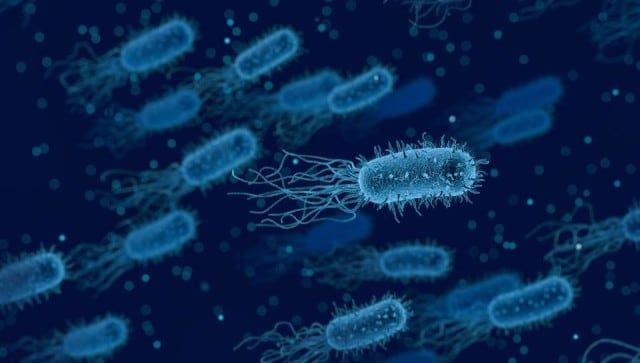
Listeria can still grow in the frigid conditions of a refrigerator, unlike other kinds of bacteria. Pixabay[/caption]Where does it originate?Listeria is often found in water, soil, and some animals' intestines.The bacterium can spread to raw foods including unpasteurized dairy products, raw vegetables, and raw meats because the majority of affected animals don't exhibit any symptoms, as per World Health Organization.However, Listeria can still grow in the frigid conditions of a refrigerator, unlike other kinds of bacteria.According to the US Food and Drug Administration, listeria can survive for a number of years in a factory environment. Medical experts suggest up to 10 per cent of people may carry the virus.Also read: Prebiotic foods to consume to help improve your gut healthWhat are the symptoms?Symptoms of listeriosis might vary based on the individual and the affected body part.According to CDC, early signs of listeriosis include nausea, aches in the muscles, and a high temperature, which are comparable to flu-like symptoms.Also possible are gastrointestinal problems like diarrhoea.Pregnant women typically experience only fever and other flu-like symptoms, such as fatigue and muscle aches. However, infections during pregnancy can lead to miscarriage, stillbirth, premature delivery, or life-threatening infection of the newborn, according to the public health agency.Depending on the patient and the affected body part, listeriosis symptoms may change.Also read: Holy Smoke! What is ‘dragon’s breath’ the Indonesian street snack that is injuring children?Who is most at risk?Pregnant women, infants, older persons, and those with compromised immune systems are the disease's main targets. People from other groups rarely contract the Listeria infection and become ill.Pregnant women typically only experience a minor case of listeriosis, but the foetus or newborn baby develops serious illness as a result.Some persons with listeria infections develop serious infections of the bloodstream (producing sepsis) or brain (causing meningitis or encephalitis), most frequently adults 65 years of age and older and people with weaker immune systems.Infected women who are pregnant with listeriosis may experience spontaneous abortion in the second or third trimester or stillbirth as a result of their cervical infections.How common is the infection?An estimated 1,600 Americans get listeriosis every year, says CDC.In 1998, a multi-state listeria outbreak caused by tainted deli meats and hot dogs claimed the lives of 21 people, according to CNN.The CDC's Foodborne Outbreak Online Database lists 48 deaths from listeria-related illnesses between 1998 and June 2009.According to WHO, listeria is a relatively rare disease with 0.1 to 10 cases per one million people per year depending on the countries and regions of the world.Even though there aren't many cases of listeriosis, the disease's high mortality rate makes it a serious public health problem.Also read: Vomiting home remedies: Ginger tea, cumin and moreHow to protect yourself?"Listeriosis is a serious, but preventable and treatable disease," says WHO.The guidelines for protecting food from Listeria are similar to those for other foodborne infections.Washing any raw produce before eating it, and preparing meat to the United States Department of Agriculture's (USDA) suggested temperatures are some measures to protect yourself from listeria.The CDC also advises eating leftovers within three to four days and keeping your refrigerator below 4.44 degrees Celsius.WHO suggests high-risk foods include deli meat and ready-to-eat meat products (such as cooked, cured and/or fermented meats and sausages), soft cheeses and cold smoked fishery products.Listeriosis is often identified when Listeria monocytogenes grows in a bacterial culture, a sort of laboratory test, from body tissue or fluid, such as blood, spinal fluid, or the placenta.Antibiotics are used to treat listeriosis.With inputs from agenciesRead all the Latest News, Trending News, Cricket News, Bollywood News,India News and Entertainment News here. Follow us on Facebook, Twitter and Instagram.

Military drones & police check-ups: How Sri Lanka is fighting against worst dengue outbreak in a decade
How Facebook job ad lured 2 Karnataka men into Myanmar cyber scam camp
Why is India seeing 95% cloud cover despite a Super El Niño?
What is CJP’s fourth demand to the government as protests in Delhi intensify?
The new geography of war: Why the Houthis can no longer be ignored