


Why US proposal of 30% wage hike for H-1B workers spells bad news for Indians
The US Department of Labour is currently seeking public comments on its proposal to increase the minimum wages paid to H-1B visa workers by 30 per cent. While the foreign workers will be paid more, the hiked salary could discourage American companies from hiring overseas talent

Indians seeking to work in the United States could soon face more obstacles. The Donald Trump administration has proposed raising the minimum wages paid to H-1B visa workers by 30 per cent.
The new norm was proposed by the US Department of Labour on March 27 and is currently open for public comments until May 26. Following this window, the department will review the feedback and notify of the final rule.
Let’s take a closer look.
H-1B workers’ wage hike proposal
The US has proposed a major change to wage rules for the H-1B visa programme.
H-1B is a non-immigrant work visa used by US companies to temporarily hire skilled foreign workers, especially in the tech sector.
The new rule seeks to enhance minimum wages for four categories of H-1B visas, spanning from entry-level to the most experienced, reported PTI.
 More from Explainers
The proposed 'Improving Wage Protections for the Temporary and Permanent Employment of Certain Foreign Nationals in the United States' argues that the existing wage levels were decided 20 years ago and do not reflect the current labour market conditions.
Under the suggested framework, the average wages for these skilled foreign workers will increase as follows:
For entry-level foreign workers – from $73,279 (Rs 69.78 lakh) per annum to $97,746 (Rs 93.1 lakh)
Level II — from $98,987 (Rs 94.3 lakh) to $1,23,212 (Rs 1.17 crore)
Level III — from $121,979 (Rs 1.16 crore) to $1,47,333 (Rs 1.4 crore)
Level IV — from $144,202 (Rs 1.37 crore) to $175,464 (Rs 1.67 crore)
These wages will differ by city and occupation.
If implemented, the wage changes will impact H-1B and related visa categories, such as H-1B1, E-3 and PERM labour certification programmes.
In 2020, during Trump's first presidency, his administration tried to bring reforms to the prevailing wages without prior notice or comments. The move had to be shelved after it ran into legal problems.
Why H-1B wage hike is not good news for Indians
Indian professionals aspiring to work in the US technology sector highly rely on the H-1B visa programme.
In 2024, Indians accounted for 71 per cent of H-1B visa recipients, emerging as the largest beneficiary. Chinese nationals were a distant second at 11.7 per cent, according to American government data.
The US Labour Department has introduced changes to the minimum wages paid to H-1B visa holders, arguing that the current system allows American companies to hire foreign workers at significantly lower wages compared to their US counterparts for similar roles.
The proposal means higher salaries for H-1B workers. However, it is not that simple. Experts predict the move could discourage US companies from hiring foreign workers as they become more expensive.
As per analysis by immigration data firms, an entry-level software engineer in Silicon Valley or San Francisco would need to earn at least $162,000 (Rs 1.5 crore) annually to be eligible for an H-1B visa. The wage threshold would surge to around $132,000 (Rs 1.26 crore) for those in New York and $113,000 (Rs 1.08 crore) in Dallas.
Last year, the Trump administration imposed a $100,000 (Rs 95.3 lakh) fee for certain H-1B candidates. Combined with the proposed higher wages, some US companies could stop sponsoring overseas talent completely as their affordability costs surge.
This will largely hurt younger professionals and entry-level applicants as firms are more likely to bank on highly experienced or niche-skilled workers to justify the increased expenses.
The proposed rules come as Trump's Maga base has increasingly been targeting H-1B visa holders, claiming they "steal" American jobs.
How US companies will be impacted
If the new wage rules are implemented, smaller US companies may stop hiring freshers for entry-level jobs, given the spiked prevailing wages.
As per The Federal, the immigration firm analysis projects that the biggest American employers of foreign white-collar workers could have to pay at least $18 billion (Rs 1.7 lakh crore) in additional costs in just the first year. Within three years, annual costs could increase to $43 billion (Rs 4.1 lakh crore) when most existing H-1B visas will have to be renewed under the new wage rules.
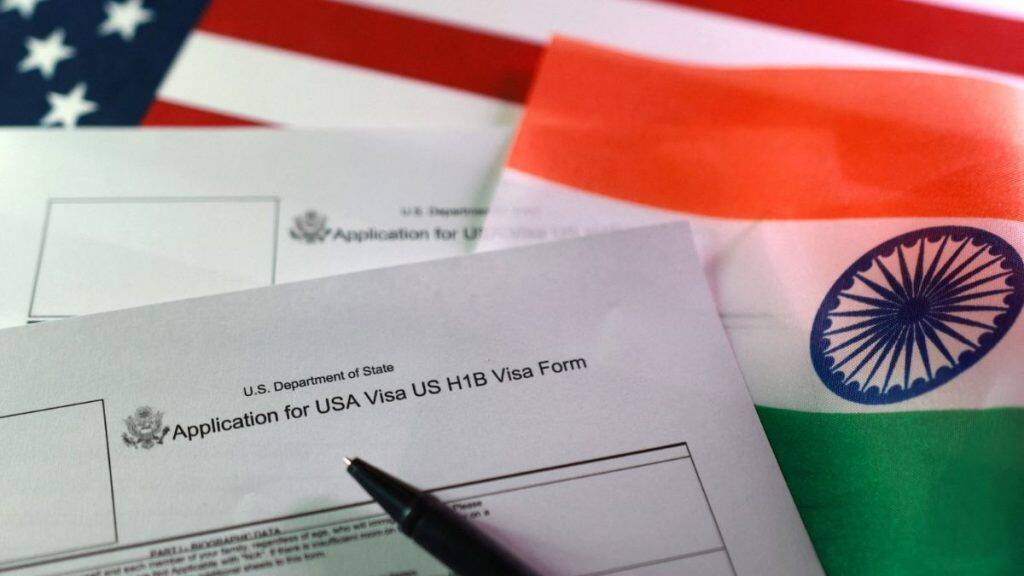
Other than the US technology sector, industries such as finance, medicine, civil engineering, research and higher education, which rely heavily on H-1B talent, will also be impacted.
Critics warn that the proposal could eventually slow hiring, widen the skill crunch and make it harder for American companies to compete for global talent.
With inputs from agencies

Military drones & police check-ups: How Sri Lanka is fighting against worst dengue outbreak in a decade
How Facebook job ad lured 2 Karnataka men into Myanmar cyber scam camp
Why is India seeing 95% cloud cover despite a Super El Niño?
What is CJP’s fourth demand to the government as protests in Delhi intensify?
The new geography of war: Why the Houthis can no longer be ignored