


US and Iran finalise deal to end war. What have both sides agreed upon?
After months of fighting, the US and Iran announced that a deal had been reached to end the war between the two nations. Announcing the agreement, President Donald Trump said that the Strait of Hormuz would now be fully open. However, the future of Tehran’s nuclear programme and other details still remain unclear

“Ships of the world, start your engines. Let the oil flow,” wrote US President Donald Trump on his social media site as America and Iran reached a deal aimed at ending the over 100-day war, marking a major breakthrough after months of conflict and on-again, off-again negotiations.
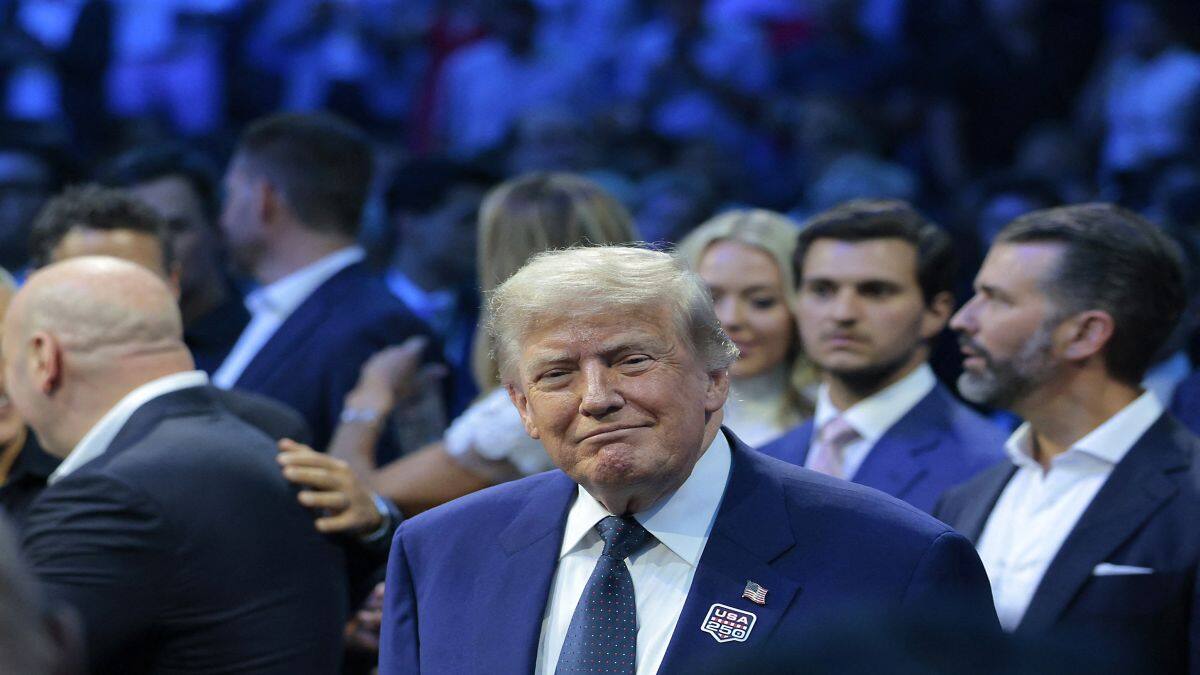
“The deal with the Islamic Republic of Iran is now complete. Congratulations to all! I hereby fully authorise the toll-free opening of the Strait of Hormuz, and, simultaneously herewith, authorise the immediate removal of the United States Naval blockade,” the US president announced on Truth Social. “Ships of the world, start your engines. Let the oil flow!”
Iran also confirmed that the two warring sides had agreed to a deal, which would be signed on Friday (June 19) in Switzerland. Iranian Deputy Foreign Minister Kazem Gharibabadi also confirmed that Iran’s agreement came after 14 hours of talks with mediators from Qatar.
- Catch the latest updates from the US-Iran war here
So, what have both sides agreed to? Also, does this mean that the war between Iran and the US has permanently ended? Here’s what we have found out so far.
 More from Explainers
How was the deal between US and Iran finally achieved?
After months of fighting, the US and Iran announced a peace deal, with Pakistan — the main mediator — announcing the breakthrough. Pakistan Prime Minister Shehbaz Sharif announced that “both sides have declared the immediate and permanent termination of military operations on all fronts, including in Lebanon.” He added that mediators this week will facilitate meetings to “lay the foundation for the technical talks.”
Broader negotiations on outstanding issues like Iran’s nuclear programme would continue over the next 60 days, two senior Pakistani officials said earlier on Sunday. If the sides fail to reach a resolution within that time, the timeline could be extended.
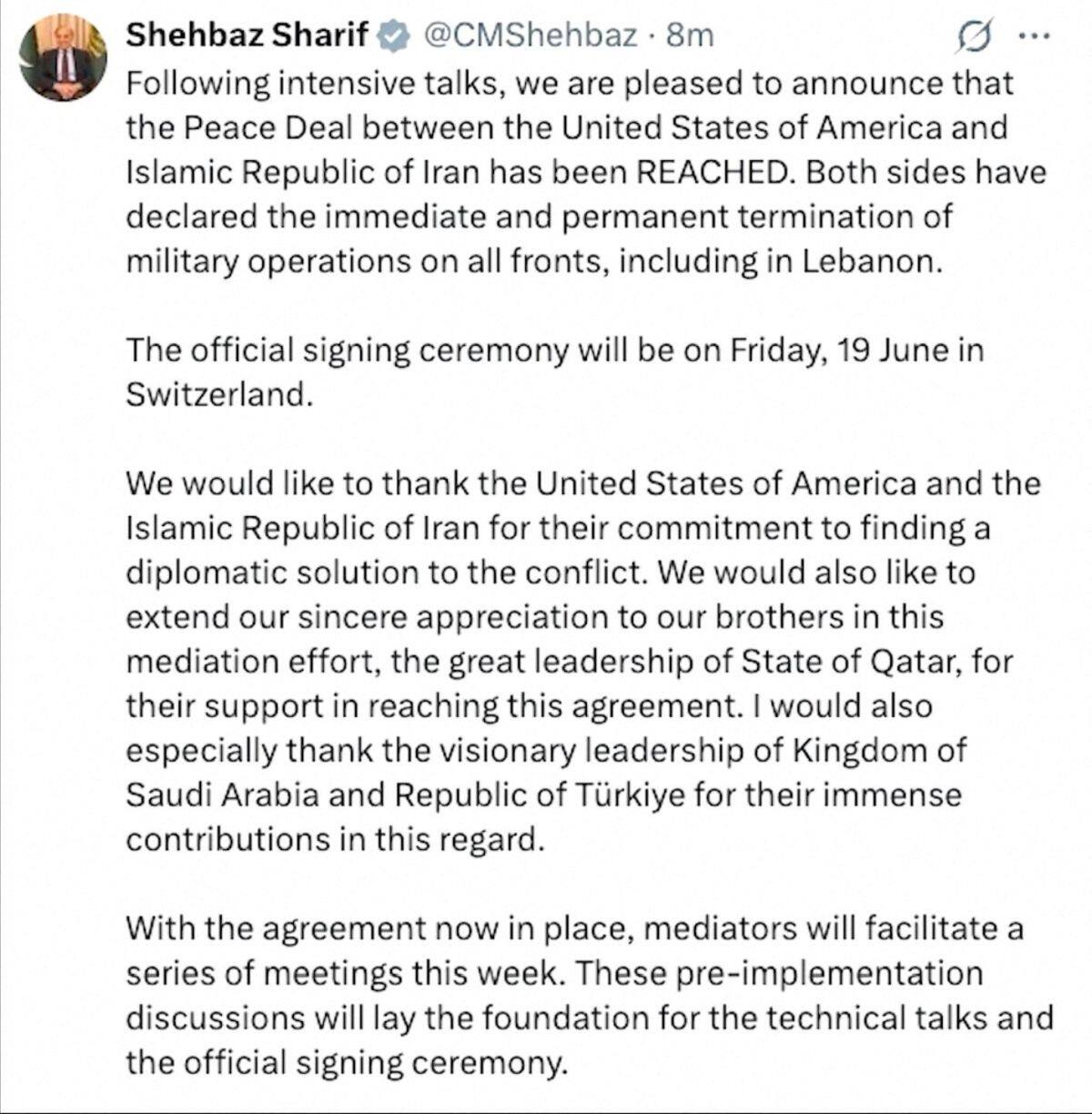
Later, Iran’s deputy foreign minister also declared that Qatari mediators held “nearly 14 to 15 hours of lengthy talks” in Tehran to reach an agreement on a draft memorandum of understanding between the US and Iran.
“This negotiation process took a long time,” Kazem Gharibabadi told Iranian state media on Monday. “A Qatari delegation was in Tehran yesterday to finalise discussions on the text of the Islamabad memorandum of understanding between Iran and the United States.
“Nearly 14 to 15 hours of lengthy talks took place, during which we presented the Islamic Republic of Iran’s final amendments to the text. Naturally, those amendments were accepted, and the text of the Islamabad memorandum of understanding was finalised.”
What are the terms of the deal signed between the US and Iran?
Full details of the memorandum of understanding haven’t been released so far, but it would extend the ceasefire by 60 days and reopen the Strait of Hormuz.
According to the pact, the Strait of Hormuz would open, with US President Trump saying that “with the opening of the Strait upon the signing of the deal on Friday, for purposes of mine removal, oil will flow on both ends again for the region, and the world!”
The deal between the two nations would also see Iran demining the Strait and abstaining from charging tolls for vessels transiting the area. Trump said the US would also lift its naval blockade imposed in April on ships moving in and out of Iranian ports.
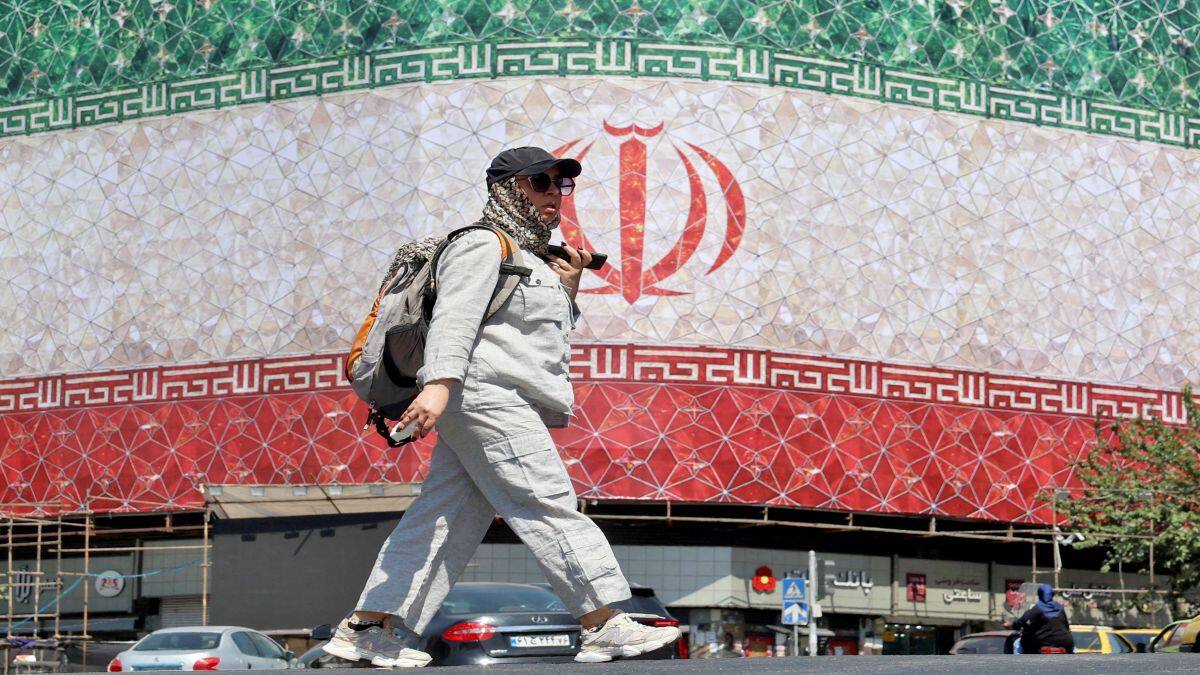
According to Mehr News, Iran’s state-affiliated media, the draft also calls for an immediate and permanent end to military operations across all fronts, including Lebanon, alongside a US commitment not to interfere in Iran’s internal affairs and to respect the sovereignty of the Islamic Republic.
When it comes to Iran’s nuclear programme, the deal states that Tehran would not procure or develop nuclear weapons. The two sides will hold nuclear talks to agree on a mechanism to resolve the disposal of the Islamic Republic’s more than 9,000 kg stockpile of enriched uranium.
Iran’s Mehr news agency further reported that the US would release 24 billion in frozen Iranian assets during the 60-day talks. Of this amount, Washington would release $12 billion in frozen assets to Iran before the start of negotiations.
“We really structured this in such a way where, as we build trust, as the Iranians perform, they get economic relief,” a senior US official was quoted as telling the Financial Times.
How has the world reacted to the news of a deal being signed?
Within the US, the signing of the deal was received with mixed reactions. US Vice President JD Vance announced that he would attend the signing ceremony in Geneva, Switzerland, on Friday. “I certainly plan to be there, but it’s possible the president himself could be there,” Vance said during a phone interview on Fox News. “We’re still figuring out the logistics on who’s going to attend that signing ceremony.”
According to the US vice president, the deal would “fundamentally change West Asia for the next 50 years,” with the accord helping to end regional conflict, encourage investment, and lower energy prices.
Several Republicans took to social media to hail Trump as the “deal-maker in chief”. US Senator Lindsey Graham was also among those celebrating the apparent breakthrough on Sunday. However, he pointed to the divergence in US and Iranian messaging. “I am somewhat concerned that Iran’s view of the agreement seems different than what the American negotiating team is claiming,” he wrote in a post on X.
World leaders also welcomed the US-Iran agreement, with the UK, France, Germany, and Italy commending it as “a moment of opportunity to restore regional stability and stabilise the global economy.”
Japan’s Prime Minister Sanae Takaichi also said that the country welcomed the agreement as “a major step toward resolution of the situation”.
The Ministry of Foreign Affairs in Qatar also hailed the deal in a statement, calling it “an important step towards consolidating sustainable peace and promoting economic growth regionally and internationally.”
Does this mean the US-Iran war is finally over?
No. The war isn’t over yet. As MSNBC wrote, the memorandum is not a final peace treaty. Instead, it outlines commitments by both sides as negotiators work toward a broader agreement, establishing a framework for a 60-day negotiating period.
Essentially, it gives both sides a reprieve from the fighting. In fact, Donald Trump has been under growing pressure from the sustained hike in petrol prices, while Iran’s economy was being throttled with sanctions.
Andrew Peek, a former Deputy Assistant Secretary for Iran and Iraq at the US Department of State, told the BBC, gave all sides “something to be happy and unhappy about”. Iran will be pleased with the inclusion of Lebanon in the deal, said Peek, while the US would be happy that there was no mention of tolls for ships travelling through the Strait of Hormuz.
With inputs from agencies

Why has Bangladesh’s choice of India spokespersons raised eyebrows?
Who is Sandeep Lamba, the Delhi cop removed from protest site duty after slapping female protester?
Explorers discover wreckage of plane 72 years later. Will this help in finding MH370?
Cruise missiles, drones and more... The deadly arsenal of the Houthis
Why India may not witness a medal rush at 2026 Commonwealth Games