


Trump turns 80: If you think that’s old, there are 16 world leaders senior to him
As Donald Trump turns 80 on Sunday (June 14 2026), he joins a small group of the world's oldest leaders. A Pew analysis found only 16 world leaders are older than the United States president. Firstpost examines how the United States compares with countries governed by ageing leaders across the globe

United States President Donald Trump turns 80 on Sunday, June 14, 2026.
A Pew Research Center analysis published on June 9, used government biographies to calculate the ages of national leaders in 186 of the 193 United Nations (UN) member states.
Just 16 of the 186 current national leaders are older than Trump, and the median leader age globally is 63.
Seven of the world's 10 oldest leaders govern countries that Freedom House currently rates as "not free."
The 16 leaders older than Trump
Paul Biya, Cameroon
At the very top sits Cameroon's Paul Biya, 93, the world's oldest head of state.
In Cameroon's October 12, 2025 election, official results gave Biya 54 per cent of the vote against challenger Issa Tchiroma Bakary.
 More from Explainers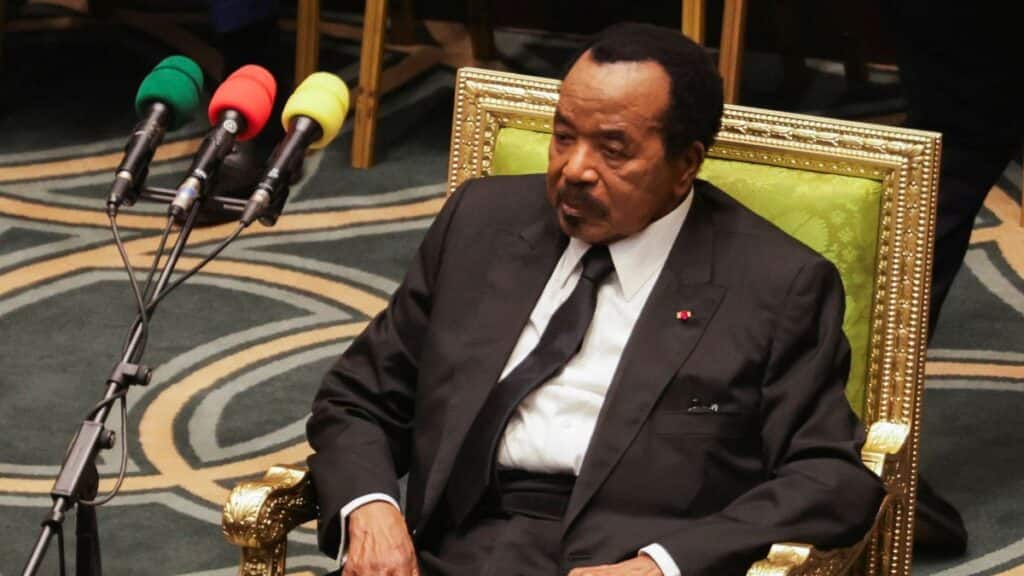
The vote was marred by serious irregularities — observers flagged deceased people on voter rolls, uneven distribution of ballots, attempted ballot-box stuffing, and violence at polling stations — and at his sole campaign rally Biya's voice came out as a rasp and his hands trembled as he read from notes, a frailty many Cameroonians found as telling as any policy announcement.
Post-election protests turned deadly as the government says 16 people were killed while other sources put the toll at 30 to 55, opposition leader Tchiroma fled the country, and another opposition figure, Anicet Ekane, died in custody.
Chatham House analysts warn the result has deepened the legitimacy and succession crisis facing a country that has known no other leader since 1982, while the long-running Anglophone separatist conflict in the northwest and southwest continues to displace thousands.
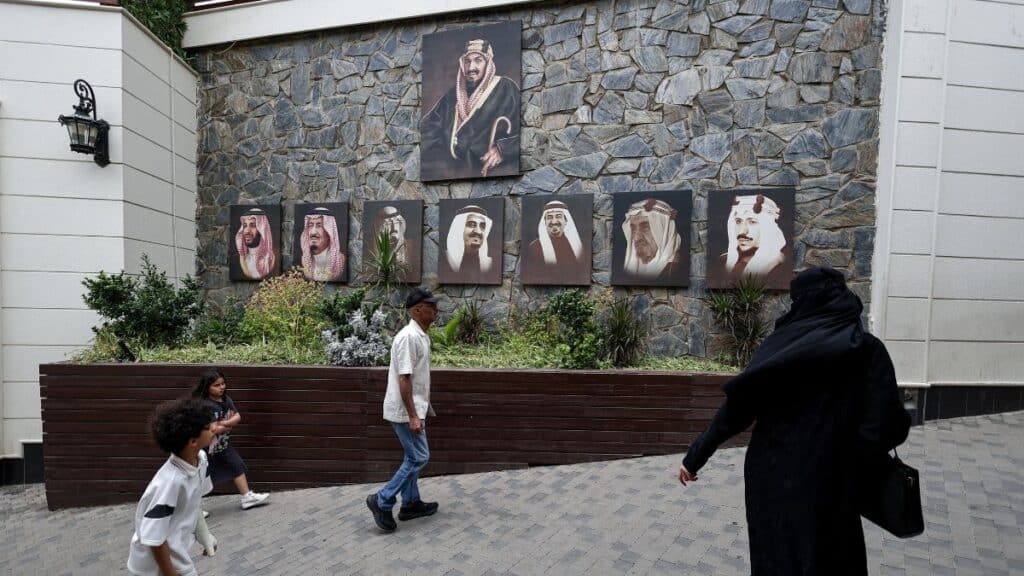
Salman bin Abdulaziz Al Saud, Saudi Arabia
Saudi Arabia's King Salman, 90, is largely a figurehead as day-to-day rule rests with Crown Prince Mohammed bin Salman.
The kingdom is faring relatively well economically with real GDP surpassing SR4.9 trillion (about $1.3 trillion) by the end of 2025, driven by continued expansion of non-oil activity, and Vision 2030 entered its third and final phase in 2026, running through 2030.
That said, several flagship megaprojects, most notably the $500 billion NEOM development, have been scaled back, paused, or abandoned. Saudi Arabia has also had to navigate a war on its doorstep and the oil-price volatility it caused.
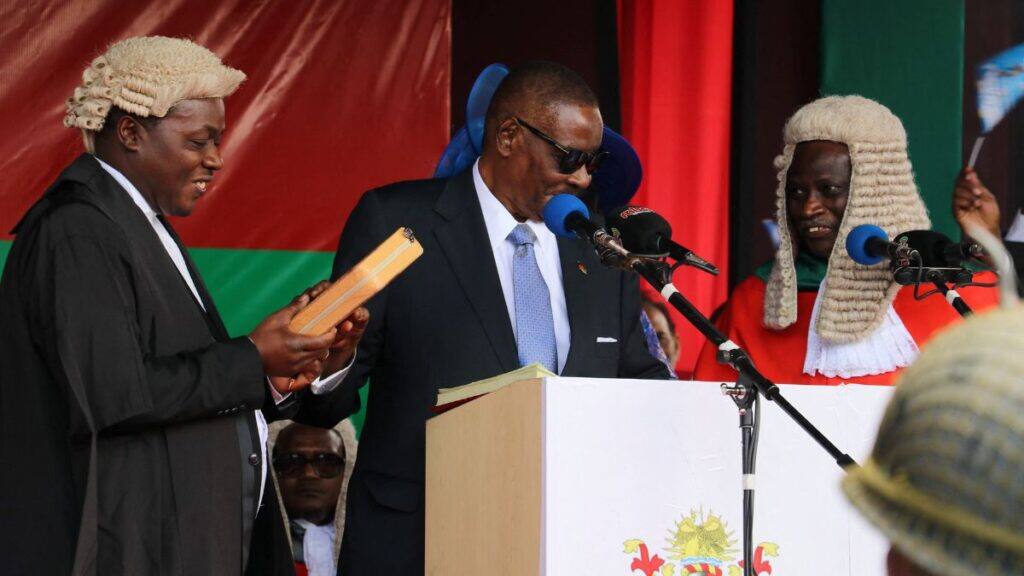
Peter Mutharika, Malawi
Malawi's Peter Mutharika, 86, returned to the presidency after winning September 2025's election with 56.8 per cent against incumbent Lazarus Chakwera's 33 per cent — his second stint in the job.
The country he inherited is in deep difficulty with the GDP growing only 1.9% in 2025 (a fourth straight year of falling per-capita GDP), inflation averaging 28.4 per cent, and poverty projected to remain at 76.6 per cent in 2026, with official foreign-currency reserves under one month of import cover.
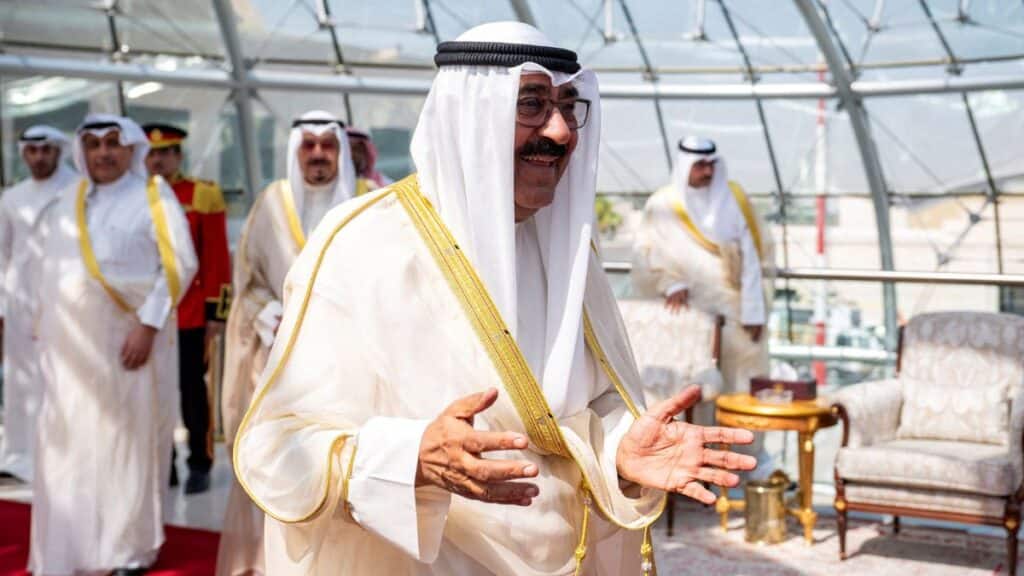
Sheikh Mishal Al-Ahmad Al-Jaber Al-Sabah, Kuwait
Kuwait's Emir Sheikh Mishal Al-Ahmad Al-Jaber Al-Sabah, 86, took the throne in December 2023 and moved quickly to concentrate power, dissolving parliament and suspending parts of the constitution.
Kuwait remains financially comfortable thanks to oil wealth, but its political system is now governed far more by decree than by the elected National Assembly that once made it a regional outlier for parliamentary politics.
Alassane Ouattara, Ivory Coast
Ivory Coast's Alassane Ouattara, 84, secured a fourth term in the October 25, 2025 election with 89.77 per cent of the vote after his two strongest rivals, former president Laurent Gbagbo and ex-Credit Suisse chief Tidjane Thiam, were barred from running.
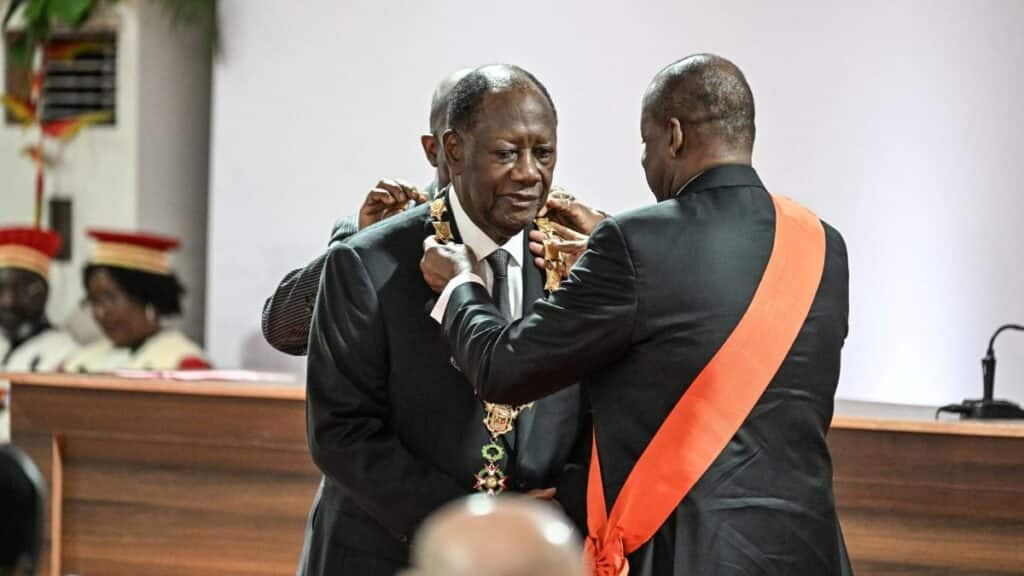
Turnout was low and analysts said the result reinforces a pattern of "constitutional engineering and deepening democratic decline in West Africa" — even as Ivory Coast remains one of the continent's strongest growth stories, built on its position as the world's top cocoa producer.
Teodoro Obiang, Equatorial Guinea
Equatorial Guinea's Teodoro Obiang, 84, has ruled since 1979, making him the world's longest-serving president.
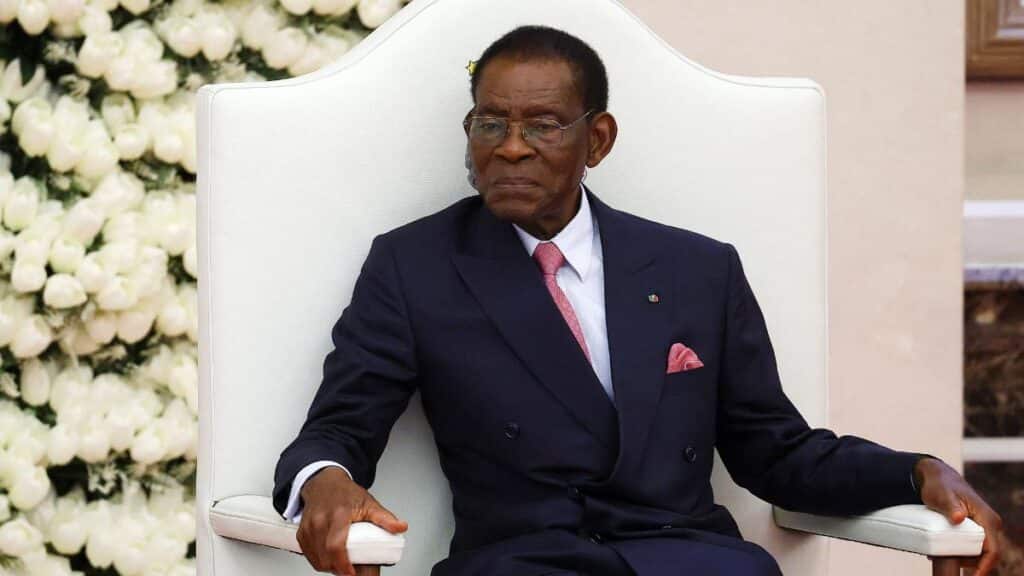
Having presided over an oil boom that has now peaked, the country's economy is shrinking as oil revenues decline, even though the median age of its roughly two million people is just 22 — a stark generational mismatch echoed across this list.
Emmerson Mnangagwa, Zimbabwe
Zimbabwe's Emmerson Mnangagwa, in his mid-80s, governs an economy the IMF expects to grow around 4.6 per cent in 2026 after roughly 6 per cent growth in 2025, and Mnangagwa has framed the year as one of "immense opportunities" for transformation under the ruling ZANU-PF's development agenda.
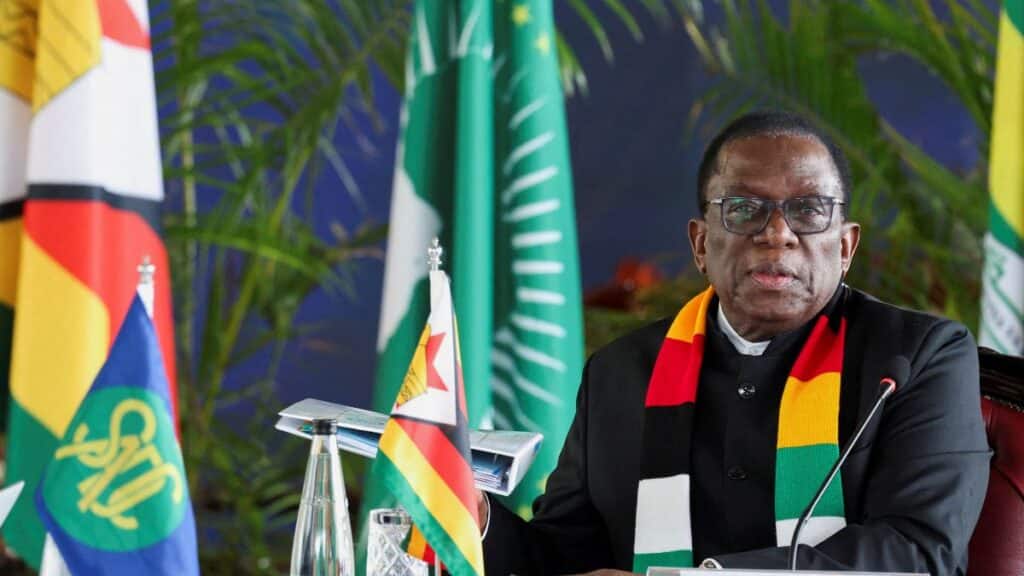
But the country's deeper story is one of economic turmoil, a history of hyperinflation, and allegations of repression, plus a new "Zimbabwe Gold" currency introduced to try to restore monetary stability, and earlier pushes by allies to extend Mnangagwa's tenure beyond constitutional limits sparked unrest.
José María Balcázar, Peru
Peru is represented by interim president José María Balcázar, 83, a left-wing former Supreme Court justice — and Peru's situation is the most chaotic on this list by far.
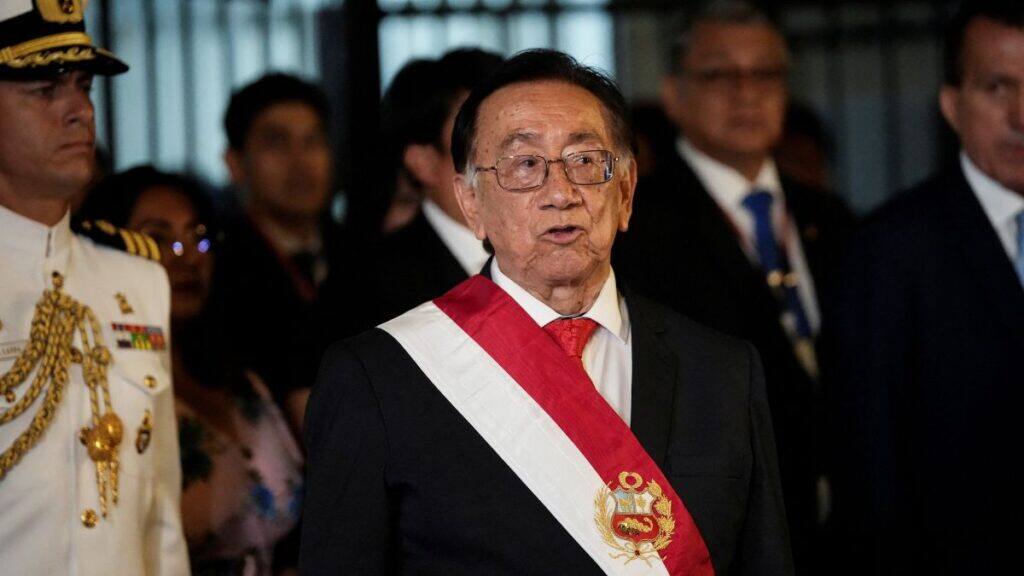
Balcázar was picked by Congress in February earlier this year to replace José Jerí, who had been president for only about four months before being ousted over "Chifa-gate," a scandal involving undisclosed meetings with a Chinese businessman.
Jerí himself had taken over after Congress impeached Dina Boluarte in October 2025 amid a surging extortion and crime wave, making Balcázar Peru's eighth president in roughly a decade.
National elections were held in April against this backdrop, and insecurity — extortion gangs, the Tren de Aragua criminal network, and a transport-strike paralysis of Lima — remains the issue most Peruvians identify as the country's top problem.
Denis Sassou Nguesso, Republic of Congo
Republic of Congo's Denis Sassou Nguesso, 82, has dominated Congolese politics since 1979 except for a civil-war interruption from 1992-97, with his rule marked by constitutional changes and allegations of electoral fraud that he denies.
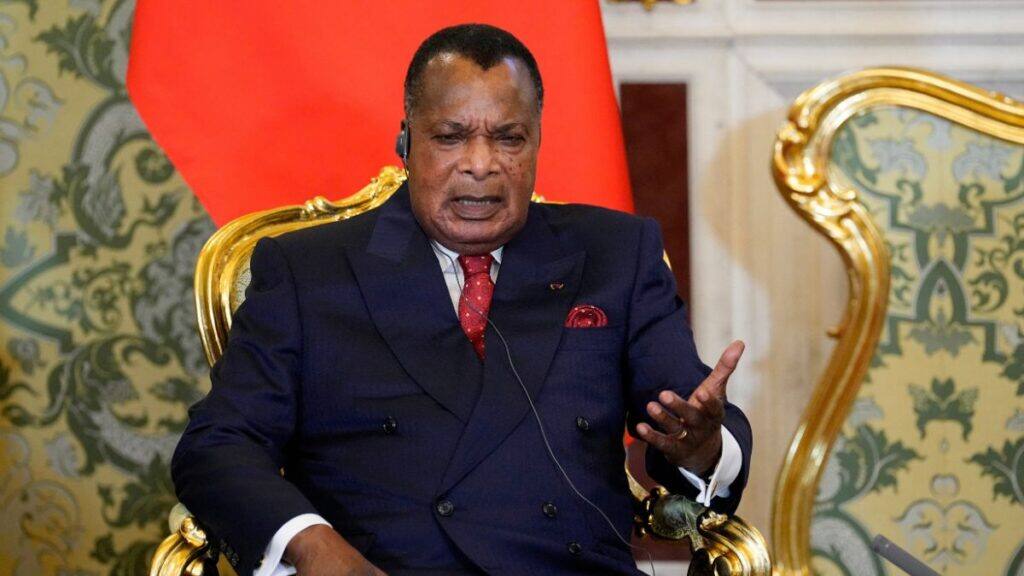
The oil-dependent economy has struggled with the same revenue volatility affecting other petrostates on this list.
Yoweri Museveni, Uganda
Uganda's Yoweri Museveni, 82, won a seventh term in the January 15, 2026 election, marking the 40th anniversary of his time in power.
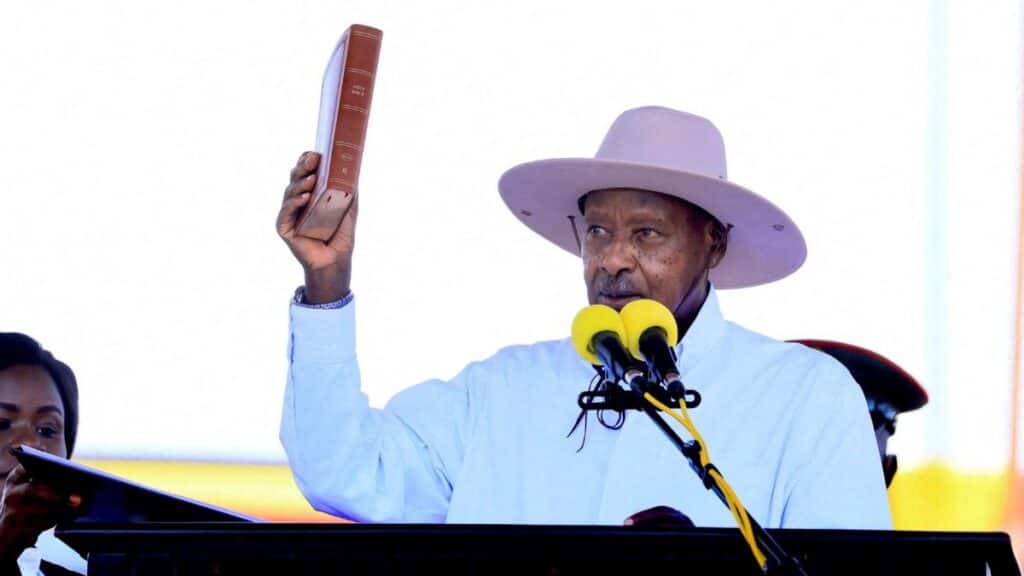
His challenger, 43-year-old musician-turned-politician Bobi Wine, tapped into discontent among a population that is over 70 per cent under age 30 and faces 43 per cent youth unemployment among under-30s.
Post-election protests broke out, seven protesters were killed in the initial clashes, and Wine ultimately fled the country while Museveni remained in power, with succession speculation increasingly focused on his son, General Muhoozi Kainerugaba.
On the economic side, Uganda entered 2026 in relatively stable shape, with annual inflation at just 3.1 per cent in December 2025 and record gold export earnings.
Joseph Boakai, Liberia
Liberia's Joseph Boakai, 82, took office in January 2024 after unseating incumbent George Weah.
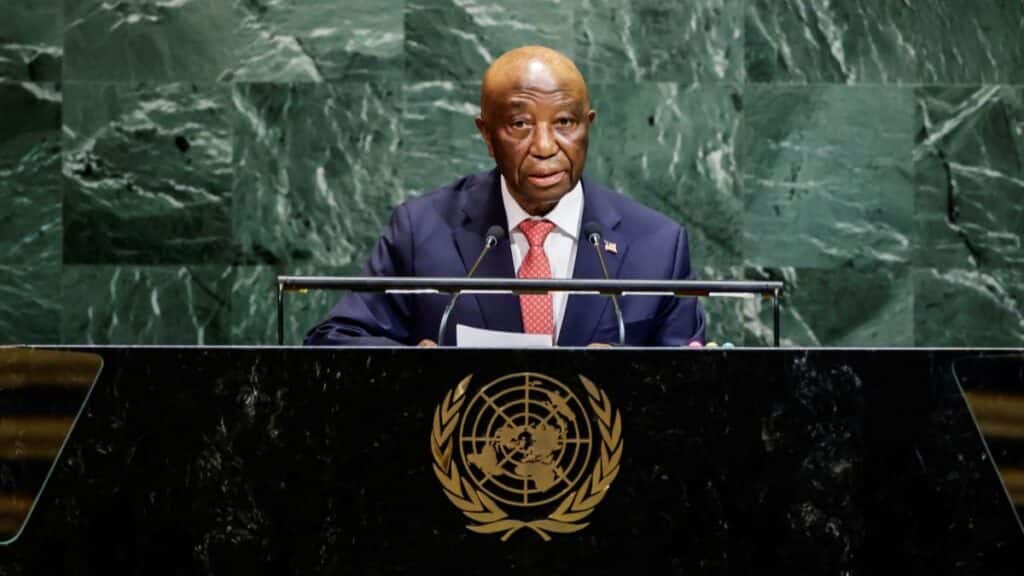
Liberia remains one of the world's poorest countries, still rebuilding institutions and infrastructure from back-to-back civil wars, with an economy heavily reliant on iron ore, rubber, and donor support.
Hans-Adam II, Liechtenstein
Liechtenstein's Prince Hans-Adam II, 81, is technically the reigning monarch but has delegated most governing authority to his son, Hereditary Prince Alois, who has served as regent since 2004.
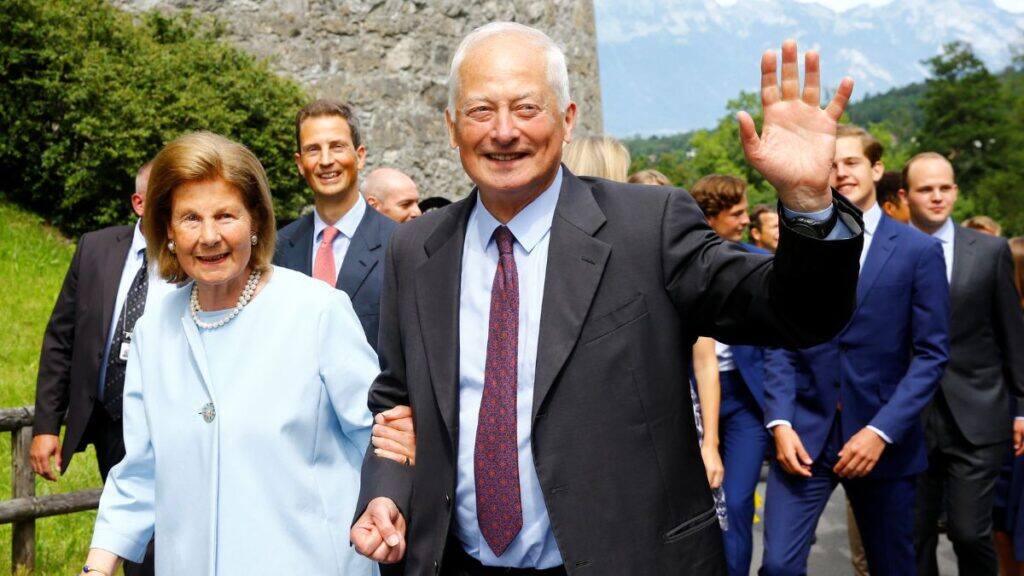
The principality remains one of the world's wealthiest per-capita states, anchored by banking and financial services, and is politically stable in a way that sets it apart from most others on this list.
Luiz Inácio Lula da Silva, Brazil
Brazil's Luiz Inácio Lula da Silva, 80, has spent much of the past year in an extraordinary standoff with the Trump administration.
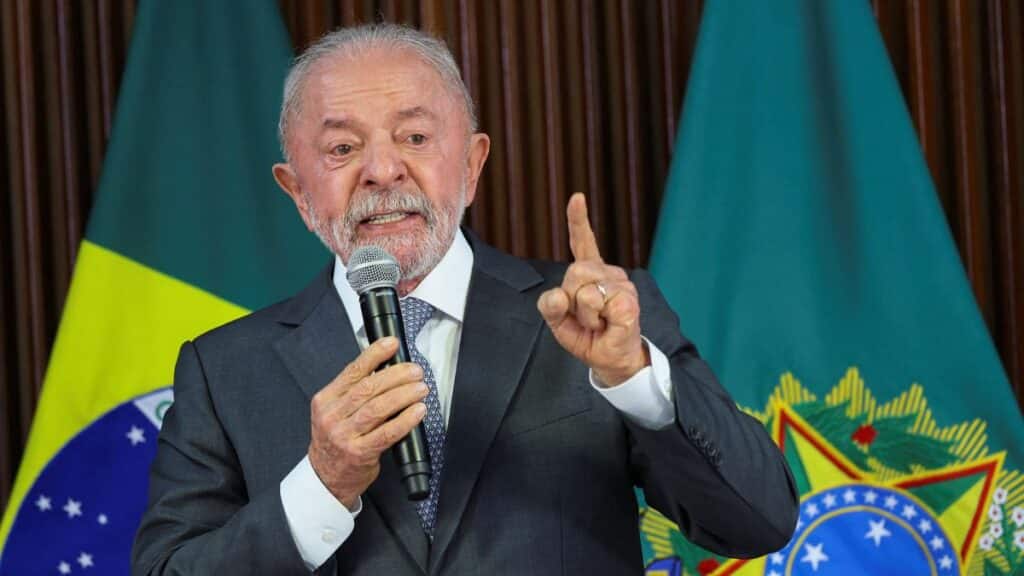
After Brazilian courts convicted former president Jair Bolsonaro on coup-related charges and sentenced him to roughly 27 years in prison, Trump imposed tariffs reaching 50 per cent on many Brazilian goods and sanctioned the judge overseeing the case, explicitly tying trade policy to the prosecution.
Rather than weakening Lula, the dispute initially helped him as a Quaest poll found Lula's approval rose to 43 per cent from 40 per cent after Trump's tariff announcement, with 72 per cent of respondents saying Trump was wrong to link tariffs to Bolsonaro's trial.
By May earlier this year the two governments had agreed to try to resolve the tariff dispute within 30 days following a Lula-Trump meeting at the White House, but just days ago Lula said he was "surprised" by a newly proposed 25 per cent tariff that appeared to roll back the détente, saying Brazil "cannot accept the treatment".
Underlying all this, Brazil's economy is growing and unemployment is falling, though rising food prices and crime remain major public concerns heading into Brazil's own October 2026 presidential election, in which Lula has hinted he may seek another term.
Thongloun Sisoulith, Laos
Laos's Thongloun Sisoulith, 80, leads one of the world's remaining one-party communist states.
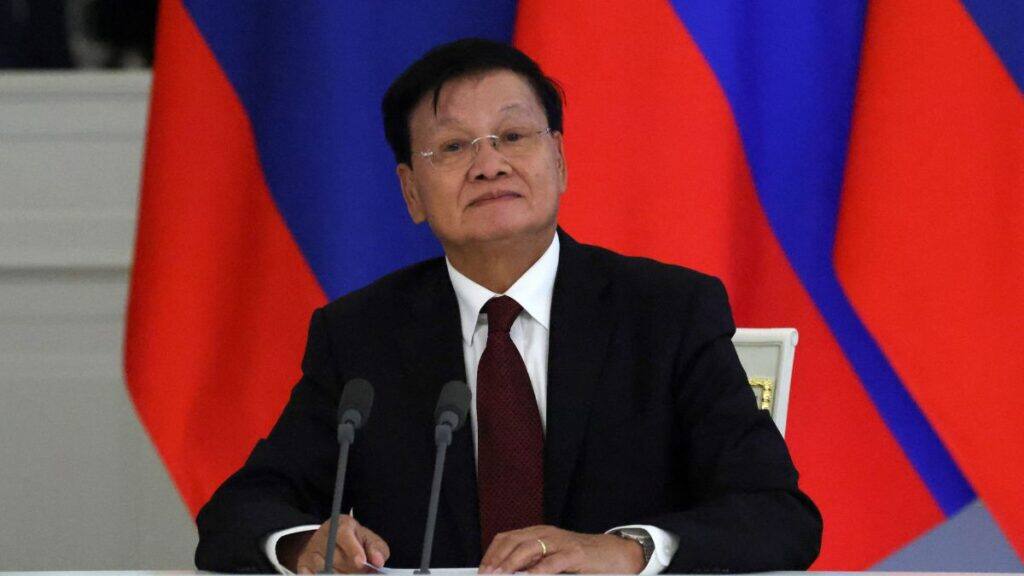
Laos continues to grapple with heavy public debt (much of it owed to China), currency depreciation, and persistent inflation, even as hydropower exports and tourism provide some growth.
Abdelmadjid Tebboune, Algeria
Algeria's Abdelmadjid Tebboune, 80, governs a gas-dependent economy — Algeria exports roughly 50 billion cubic meters of natural gas annually, but reform efforts face the headwind of roughly 30 per cent youth unemployment.
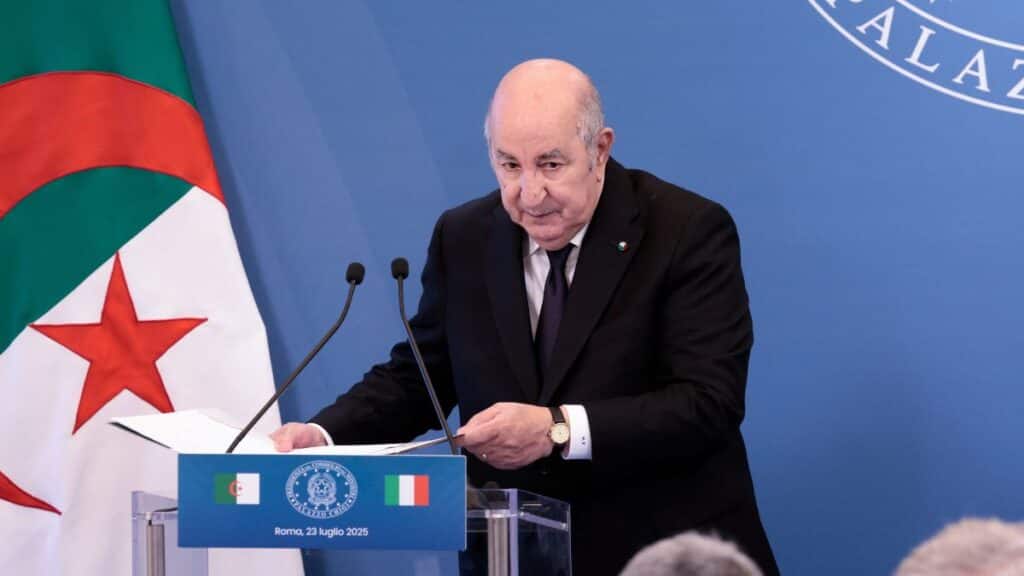
Tebboune was re-elected in 2024 in a vote the opposition called unfair, and Algeria continues to navigate tense relations with Mali's and Niger's military juntas, with Morocco over Western Sahara, and with France.
Isaias Afwerki, Eritrea
Finally, Eritrea's Isaias Afwerki, 80, runs what is often called one of the world's most closed societies.
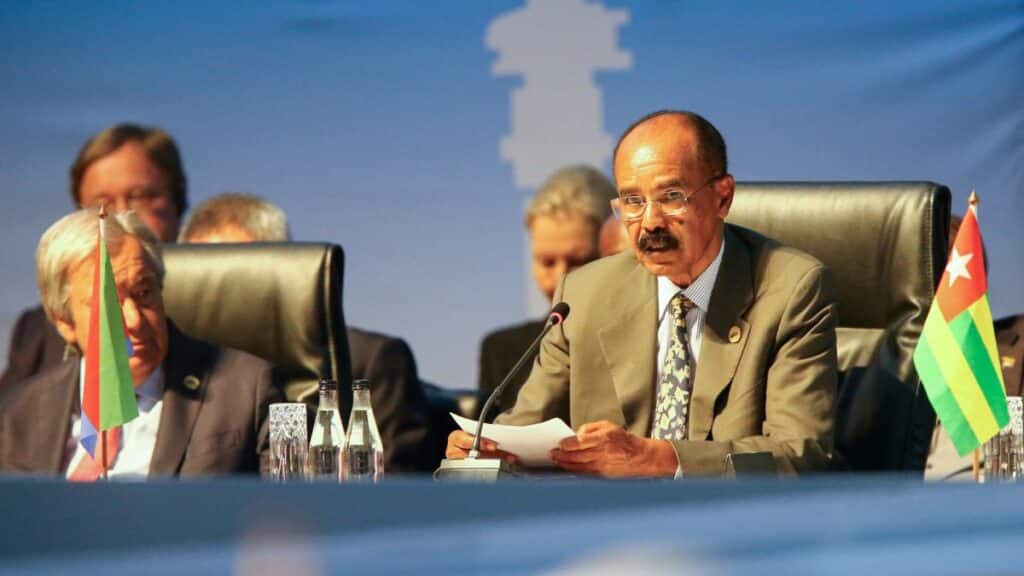
He has led Eritrea since its 1993 independence, no national election has ever been held, the constitution ratified in 1997 has never been implemented, and indefinite national conscription remains a defining — and widely condemned — feature of life there.
Taken together, this group of 16 highlights a pattern that many of the world's oldest leaders are concentrated in African countries, several preside over economies dependent on a single commodity whose revenues are now declining, and at least four (Cameroon, Uganda, Ivory Coast, and arguably Peru's revolving cast) just held elections in late 2025 or early 2026 that were contested, boycotted, or marred by violence.
How the US is faring under Trump 2.0
The picture in the United States itself is a study in contrasts — record-breaking financial markets alongside a real economy many Americans experience as stagnant or worsening, and an extraordinary, still-unfolding conflict in West Asia.
On the economy, the headline growth number looks solid — the economy grew 2.1 per cent in 2025 — but employment tells a weaker story.
Only about 584,000 jobs were added in 2025, the slowest 12-month pace of job creation since 2003 outside of recession years, and sharply below the more than 2 million jobs added in each of the previous four years.
By March 2026, total nonfarm employment had grown by just 369,000 since Trump took office, versus 1,565,000 added in the final 14 months of the Biden administration, and the unemployment rate had ticked up to 4.3 per cent, with unemployment among the US-born climbing from 4.4 per cent to 4.7 per cent over the prior 12 months.
Much of the federal slowdown reflects deliberate policy as federal government employment fell by 352,000, or 11.7 per cent, since Trump took office, largely through Doge-driven cuts.
Manufacturing — the sector tariffs were explicitly meant to help — has instead lost 72,000 jobs since the April 2025 "Liberation Day" tariffs were announced, and manufacturing employment fell by 77,000 jobs from April to December 2025.
Tariffs themselves have been a defining and legally turbulent feature of the year. The Trump tariffs amount to the largest US tax increase as a share of GDP since 1993, costing the average household around $1,500 in 2026.
Then, in one of the most consequential rulings in decades, the Supreme Court ruled 6-3 on February 20, 2026, in Learning Resources v Trump and Trump v VOS Selections, that the International Emergency Economic Powers Act does not authorise the US president to impose tariffs at all, striking down both the "reciprocal" Liberation Day tariffs and the fentanyl-related tariffs on Canada, Mexico, and China.
The ruling called into question roughly $175-179 billion in tariff revenue collected over the prior year, opening the door to refund claims from more than 1,000 businesses that had already sought refunds before the decision.
The administration pivoted almost immediately as within hours, Trump issued a new 10 per cent global tariff under Section 122 of the Trade Act, with plans to raise it to 15 per cent, while sector-specific Section 232 tariffs on steel, aluminium, and similar goods were unaffected and remained in place.
Energy costs added to the squeeze even before this year's war when electricity prices rose 2.5 times faster than overall inflation in 2025, the largest annual increase since December 2014, while natural gas wholesale prices jumped 56 per cent.
Economists at Stanford's SIEPR and the Center for American Progress have both warned the combination of tariff-driven price increases, slowing hiring, and a softening labor market raises a real risk of stagflation, even if, as one analysis put it, real GDP growth has stayed around 2 per cent and neither unemployment nor layoffs have spiked dramatically — yet.
Wall Street, meanwhile, has told an almost opposite story for much of the year.
The S&P 500 crashed after the April 2025 tariff announcement but then staged a sharp recovery, rising about 16 per cent over the following months as AI enthusiasm offset tariff concerns, and by late May 2026 the S&P 500 closed at a record 7,599.96, with the Dow above 51,000 — both at all-time highs, driven heavily by a concentrated handful of AI-related names.
The Federal Reserve cut interest rates in December 2025 and raised its 2026 growth forecast to 2.3 per cent.
That conflict in West Asia is arguably the single biggest story of Trump's second term so far. On February 28, 2026, Israel and the United States launched a major joint campaign of airstrikes against Iran, explicitly aiming to induce regime change and destroy its nuclear and ballistic-missile programs.
The economic fallout has been massive and is now visibly feeding into US inflation data. Gas prices jumped 19 per cent in a single month to a national average of $3.45 a gallon, and oil prices rose above $100 a barrel for the first time since 2022, with Goldman Sachs warning that sustained higher oil prices could push inflation from 2.4 per cent in January toward 3 per cent by year's end.
Domestically, all of this has weighed on Trump's standing. Gallup found his approval rating dropped to 36 per cent in January 2026, a new low for his second term, following the longest government shutdown in US history.
Healthcare costs and immigration enforcement have also become big flashpoints during Trump's second term.
In short, as Trump turns 80, he joins a small club of octogenarian-and-older leaders whose countries mostly face serious headwinds.
Also Watch:
With inputs from agencies
Inhaling global affairs daily, Anmol covers foreign policy & defence with the occasional piece in lifestyle and the thrilling sport of polo, to keep things light when they get too tense. He has far too many disparate interests with a constant itch for travel. You can follow him on X (AnmolSingla001); and please feel free to reach out to him at anmol.singla@nw18.com for interviews, tips, feedback or travel recommendations.

Why has Bangladesh’s choice of India spokespersons raised eyebrows?
Who is Sandeep Lamba, the Delhi cop removed from protest site duty after slapping female protester?
Explorers discover wreckage of plane 72 years later. Will this help in finding MH370?
Cruise missiles, drones and more... The deadly arsenal of the Houthis
Why India may not witness a medal rush at 2026 Commonwealth Games