
Advertisement


Sections
Explained: Scotland’s transgender rights bill and UK’s decision to block it
The Rishi Sunak government has vetoed the transgender rights legislation passed by the Scottish Parliament, which would make it easier for people to change their legally recognised gender. This is the first time a Scottish law has been blocked by the UK

Scotland wants to empower trans people, giving them more liberty to change their gender. But the United Kingdom is not in favour. British Prime Minister Rishi Sunak has blocked the Gender Recognition Reform Bill passed in Scotland on 22 December.The legislation, which would make it easier for people to change their legal gender, was blocked by UK ministers, saying it would have an “adverse impact” on equality protections across Great Britain. This is the first time the UK has blocked a Scottish law.What is the Scottish gender bill?The Gender Recognition Reform Bill aims to reform the system through which people obtain the gender recognition certificate (GRC).It does away with the need for a psychiatric diagnosis of gender dysphoria, a sense of unease a person may experience because of the mismatch between their biological sex and gender identity. Instead, it introduces a self-identification system.Under the earlier laws, applicants should have been permanently living in their acquired gender for at least two years before applying for the GRC. The gender bill reduces that to three months and six months for 16 and 17-year-olds. The age at which people can apply for the GRC was already reduced to 16 from 18.The new Scottish law requires people to send their applications to the Registrar General for Scotland instead of the UK panel.According to the Scottish government, the old system adversely impacts people applying for gender recognition, adding that the process of getting the GRC can be “demeaning, intrusive, distressing and stressful”.Also read: Spain and Scotland join small club of countries that allow transgender people easy status change[caption id="attachment_12002762" align="alignnone" width="640"]![]() The gender law brings big changes to the system through which people obtain their gender recognition certificate. AFP[/caption]Why is the UK opposed to the bill? The Sunak government has blocked the legislation which it believes is not compatible with the existing Equalities Act. The UK government's Scottish secretary Alister Jack is expected to take the legal steps to confirm the move.In a letter to Scotland’s first minister Nicola Sturgeon, he said that the bill would have a “significant impact” on protections contained in UK equalities legislation. He cited concerns over its effect on legal rights to run single-sex clubs, associations and schools, as well as rules on equal pay for men and women, according to a report in the BBC.According to Jack, having “two different gender recognition schemes in the UK” risked creating “significant complications,” including “allowing more fraudulent or bad faith applications”. He announced that he would use Section 35 of the Scotland Act 1998 for the first time to halt the gender recognition bill after a review by UK government lawyers.[caption id="attachment_12002782" align="alignnone" width="640"]
The gender law brings big changes to the system through which people obtain their gender recognition certificate. AFP[/caption]Why is the UK opposed to the bill? The Sunak government has blocked the legislation which it believes is not compatible with the existing Equalities Act. The UK government's Scottish secretary Alister Jack is expected to take the legal steps to confirm the move.In a letter to Scotland’s first minister Nicola Sturgeon, he said that the bill would have a “significant impact” on protections contained in UK equalities legislation. He cited concerns over its effect on legal rights to run single-sex clubs, associations and schools, as well as rules on equal pay for men and women, according to a report in the BBC.According to Jack, having “two different gender recognition schemes in the UK” risked creating “significant complications,” including “allowing more fraudulent or bad faith applications”. He announced that he would use Section 35 of the Scotland Act 1998 for the first time to halt the gender recognition bill after a review by UK government lawyers.[caption id="attachment_12002782" align="alignnone" width="640"]![]() The Rishi Sunak-led government has blocked the bill saying the gender laws are incompatible with the existing Equalities Act which is applicable to the UK. AFP[/caption]What is a Section 35 order?It is dubbed the “nuclear button”, a legal arsenal that the UK government has but has never exercised. The Scotland Act establishing the Scottish Parliament came into the effect in 1998.Under Section 35 of the Act, a UK secretary of state has the power to stop a bill from getting royal assent and thus preventing it from becoming law. This order can be used only if they have reason to believe that the law in question will hurt legislation across Great Britain.How can Scotland pass its own laws?For centuries, after the unification of Great Britain in the 1700s, Scotland did not have a government. However, that changed in 1998.The Scotland Act allows the Scottish Parliament to make decisions on domestic issues without needing a nod for the UK Parliament. However, the latter has veto powers.The first minister chairs the Scottish Cabinet and is responsible for policies formulated by the Scottish government.[caption id="attachment_12002792" align="alignnone" width="640"]
The Rishi Sunak-led government has blocked the bill saying the gender laws are incompatible with the existing Equalities Act which is applicable to the UK. AFP[/caption]What is a Section 35 order?It is dubbed the “nuclear button”, a legal arsenal that the UK government has but has never exercised. The Scotland Act establishing the Scottish Parliament came into the effect in 1998.Under Section 35 of the Act, a UK secretary of state has the power to stop a bill from getting royal assent and thus preventing it from becoming law. This order can be used only if they have reason to believe that the law in question will hurt legislation across Great Britain.How can Scotland pass its own laws?For centuries, after the unification of Great Britain in the 1700s, Scotland did not have a government. However, that changed in 1998.The Scotland Act allows the Scottish Parliament to make decisions on domestic issues without needing a nod for the UK Parliament. However, the latter has veto powers.The first minister chairs the Scottish Cabinet and is responsible for policies formulated by the Scottish government.[caption id="attachment_12002792" align="alignnone" width="640"]![]() Scotland's first minister Nicola Sturgeon has vowed to oppose the UK government's move. AFP[/caption]Can Scotland challenge the use of Section 35?Yes, it can. Scottland’s Nicola Sturgeon has called the UK government’s move a “full-frontal attack" on the Scottish Parliament and vowed to oppose it.Her government is likely to mount a legal challenge, which would be through a judicial review, to assess the lawfulness of the Scotland secretary’s decision. She said that Scottish ministers would “defend” the bill, saying that if the veto succeeded it would be the “first of many”.In a Today interview Shona Robison, the Scottish government’s social justice secretary, insisted that the gender recognition reform bill would not undermine or change UK equality law. This is an argument the Scottish government has been making for some time, Robison said.What have critics of the gender bill said? According to critics, the self-identification process will alter who can access women-only services. This will make the vulnerable to abuse by predatory male offenders, reports The Guardian.Before the bill was passed, a United Nations special rapporteur on violence against women and girls, warned the law could endanger women. Reem Alsalem said it “would potentially open the door for violent males who identify as men to abuse the process of acquiring a gender certificate and the rights that are associated with it”.Author JK Rowling, who has been an opponent of trans rights, said that “erasing the concept of sex removes the ability of many to meaningfully discuss their lives” and the Scottish government’s reforms had “triggered” her.With inputs from agencies Read all the Latest News, Trending News, Cricket News, Bollywood News,India News and Entertainment News here. Follow us on Facebook, Twitter and Instagram.
Scotland's first minister Nicola Sturgeon has vowed to oppose the UK government's move. AFP[/caption]Can Scotland challenge the use of Section 35?Yes, it can. Scottland’s Nicola Sturgeon has called the UK government’s move a “full-frontal attack" on the Scottish Parliament and vowed to oppose it.Her government is likely to mount a legal challenge, which would be through a judicial review, to assess the lawfulness of the Scotland secretary’s decision. She said that Scottish ministers would “defend” the bill, saying that if the veto succeeded it would be the “first of many”.In a Today interview Shona Robison, the Scottish government’s social justice secretary, insisted that the gender recognition reform bill would not undermine or change UK equality law. This is an argument the Scottish government has been making for some time, Robison said.What have critics of the gender bill said? According to critics, the self-identification process will alter who can access women-only services. This will make the vulnerable to abuse by predatory male offenders, reports The Guardian.Before the bill was passed, a United Nations special rapporteur on violence against women and girls, warned the law could endanger women. Reem Alsalem said it “would potentially open the door for violent males who identify as men to abuse the process of acquiring a gender certificate and the rights that are associated with it”.Author JK Rowling, who has been an opponent of trans rights, said that “erasing the concept of sex removes the ability of many to meaningfully discuss their lives” and the Scottish government’s reforms had “triggered” her.With inputs from agencies Read all the Latest News, Trending News, Cricket News, Bollywood News,India News and Entertainment News here. Follow us on Facebook, Twitter and Instagram.
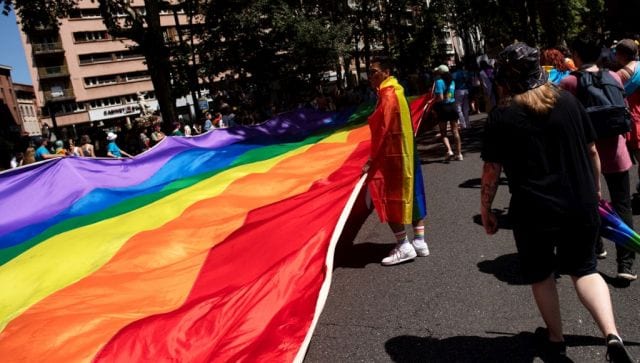 The gender law brings big changes to the system through which people obtain their gender recognition certificate. AFP[/caption]Why is the UK opposed to the bill? The Sunak government has blocked the legislation which it believes is not compatible with the existing Equalities Act. The UK government's Scottish secretary Alister Jack is expected to take the legal steps to confirm the move.In a letter to Scotland’s first minister Nicola Sturgeon, he said that the bill would have a “significant impact” on protections contained in UK equalities legislation. He cited concerns over its effect on legal rights to run single-sex clubs, associations and schools, as well as rules on equal pay for men and women, according to a report in the BBC.According to Jack, having “two different gender recognition schemes in the UK” risked creating “significant complications,” including “allowing more fraudulent or bad faith applications”. He announced that he would use Section 35 of the Scotland Act 1998 for the first time to halt the gender recognition bill after a review by UK government lawyers.[caption id="attachment_12002782" align="alignnone" width="640"]
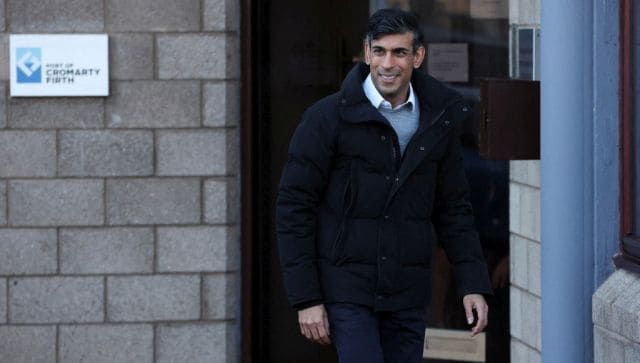 The Rishi Sunak-led government has blocked the bill saying the gender laws are incompatible with the existing Equalities Act which is applicable to the UK. AFP[/caption]What is a Section 35 order?It is dubbed the “nuclear button”, a legal arsenal that the UK government has but has never exercised. The Scotland Act establishing the Scottish Parliament came into the effect in 1998.Under Section 35 of the Act, a UK secretary of state has the power to stop a bill from getting royal assent and thus preventing it from becoming law. This order can be used only if they have reason to believe that the law in question will hurt legislation across Great Britain.How can Scotland pass its own laws?For centuries, after the unification of Great Britain in the 1700s, Scotland did not have a government. However, that changed in 1998.The Scotland Act allows the Scottish Parliament to make decisions on domestic issues without needing a nod for the UK Parliament. However, the latter has veto powers.The first minister chairs the Scottish Cabinet and is responsible for policies formulated by the Scottish government.[caption id="attachment_12002792" align="alignnone" width="640"]
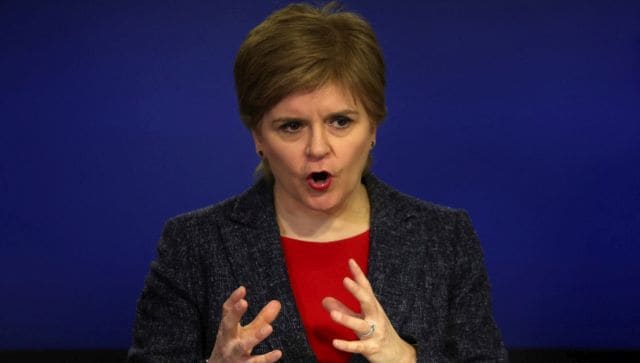 Scotland's first minister Nicola Sturgeon has vowed to oppose the UK government's move. AFP[/caption]Can Scotland challenge the use of Section 35?Yes, it can. Scottland’s Nicola Sturgeon has called the UK government’s move a “full-frontal attack" on the Scottish Parliament and vowed to oppose it.Her government is likely to mount a legal challenge, which would be through a judicial review, to assess the lawfulness of the Scotland secretary’s decision. She said that Scottish ministers would “defend” the bill, saying that if the veto succeeded it would be the “first of many”.In a Today interview Shona Robison, the Scottish government’s social justice secretary, insisted that the gender recognition reform bill would not undermine or change UK equality law. This is an argument the Scottish government has been making for some time, Robison said.What have critics of the gender bill said? According to critics, the self-identification process will alter who can access women-only services. This will make the vulnerable to abuse by predatory male offenders, reports The Guardian.Before the bill was passed, a United Nations special rapporteur on violence against women and girls, warned the law could endanger women. Reem Alsalem said it “would potentially open the door for violent males who identify as men to abuse the process of acquiring a gender certificate and the rights that are associated with it”.Author JK Rowling, who has been an opponent of trans rights, said that “erasing the concept of sex removes the ability of many to meaningfully discuss their lives” and the Scottish government’s reforms had “triggered” her.With inputs from agencies Read all the Latest News, Trending News, Cricket News, Bollywood News,India News and Entertainment News here. Follow us on Facebook, Twitter and Instagram.
First Published:Jan 17, 2023, 18:25:29 IST
Advertisement
Advertisement

Military drones & police check-ups: How Sri Lanka is fighting against worst dengue outbreak in a decade
Sri Lanka is fighting its most severe dengue outbreak in nearly a decade, with infections rising sharply across the nation. Military drones have been deployed to tackle the outbreak, which has claimed 56 lives. Health officials said the outbreak is being driven primarily by the DENV-2 variant of the virus
3 min read
How Facebook job ad lured 2 Karnataka men into Myanmar cyber scam camp
The Karnataka Cyber Command has rescued two youths from a scam compound in Myanmar operated by Chinese fraudsters. The duo from Karnataka were lured on the pretext of data-entry jobs. They were asked to work for 16 hours a day and were expected to sleep for six hours daily
4 min read
Why is India seeing 95% cloud cover despite a Super El Niño?
India is witnessing nearly 95 per cent cloud cover despite a Super El Niño, a climate event usually linked to weaker monsoons. Regional weather systems, cyclonic circulations, the monsoon trough and moisture from two seas are temporarily overpowering one of the world's strongest climate phenomena
5 min read
What is CJP’s fourth demand to the government as protests in Delhi intensify?
The protest by the Cockroach Janta Party at Delhi’s Jantar Mantar refuses to die down. The group have made a fourth demand to the Centre, asking that no FIRs are filed against the agitators and that no legal action be taken. The government has expressed willingness to speak to the protesters, but refused to accede on the resignation of Education Minister Dharmandra Pradhan
5 min read
The new geography of war: Why the Houthis can no longer be ignored
The rise of the Houthis marks the emergence of a new geography of war — one in which influence flows not only from capitals and conventional armies, but also from rugged mountains overlooking vital sea lanes
6 min read
Advertisement
Advertisement