


Peshawar mosque attack: The rise and evolution of the Pakistani Taliban
A look at the Tehreek-e-Taliban Pakistan, which has waged an insurgency in the country for 15 years. It also claimed responsibility for Monday's suicide bombing at a mosque in Peshawar

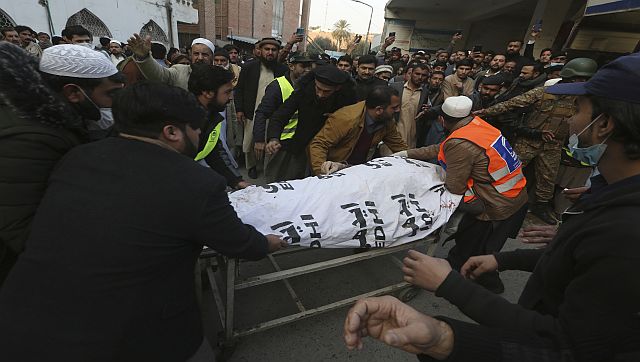
Islamabad: When a suicide bomber struck a mosque inside a police compound in the northwestern city of Peshawar on Monday, suspicion immediately fell on the Pakistani Taliban, also known as Tehreek-e-Taliban Pakistan, or TTP.
In a post on Twitter, a commander for the group, Sarbakaf Mohmand, claimed responsibility for one of the deadliest attacks on security forces in recent months.
But more than 10 hours later, TTP spokesperson Mohammad Khurasani distanced the group from the bombing, saying it was not its policy to target mosques or other religious sites, adding that those taking part in such acts could face punitive action under TTP's policy. His statement did not address why a TTP commander had claimed responsibility for the bombing.
 More from Explainers
The TTP's denial also came after the Afghan foreign ministry condemned attacks on worshippers as contrary to the teachings of Islam.
Relations already are strained between Pakistan and neighbouring Afghanistan's Taliban rulers, who are sheltering the TTP leadership and fighters.
A look at the Tehreek-e-Taliban Pakistan, which has waged an insurgency in the country for 15 years:
Why is the TTP fighting an insurgency?
Angered by Pakistan's cooperation with Washington in the war on terrorism, the TTP was officially set up by Pakistani militants in 2007 when different outlawed groups agreed to work together against Pakistan and support the Afghan Taliban, who were fighting US and NATO forces.
The TTP seeks stricter enforcement of Islamic laws, the release of its members in government custody, and a reduction in Pakistani military presence in parts of Khyber Pakhtunkhwa, the province bordering Afghanistan that it has long used as a base.
The TTP has stepped up attacks on Pakistani soldiers and police since November, when it unilaterally ended a cease-fire with the government after the failure of months of talks, hosted by Afghanistan's Taliban rulers in Kabul. The TTP has repeatedly warned police not to take part in operations against its fighters in Peshawar, the capital of Khyber Pakhtunkhwa province.
What is the relationship between the TTP and the Afghan Taliban?
The TTP is separate from but a close ally of the Afghan Taliban, and that group's takeover of Afghanistan in August 2021 emboldened the TTP, which shares the group's ideology.
TTP fighters used to hide in Pakistan's tribal northwest and also had sanctuary in Afghanistan, but they mostly lived a fugitive existence.
However, the Afghan Taliban started openly sheltering the TTP when they came to power. The Afghan Taliban also released TTP leaders and fighters who had been arrested by previous administrations in Kabul.
The Taliban have repeatedly said they will not allow anyone, including the TTP, to use Afghan soil for attacks against any country, including Pakistan. But Pakistani officials say there is a disconnect between the words and actions of the Afghan Taliban, who could stop the TTP from launching attacks inside the country but are failing to do so.
The Pakistani Taliban have expressed their allegiance to the head of the Afghan Taliban, said Abdullah Khan, a senior defence analyst and managing director of the Islamabad-based Pakistan Institute for Conflict and Security Studies.
He added, however, that they have their own agenda and strategy.
TTP's operations have largely been aimed at targeting Pakistani forces, similar to the Afghan Taliban's agenda of ousting foreign forces from the country.
Khan fears that Pakistan will see a surge in militant violence in the coming weeks and months.
Has violence increased recently?
Pakistan has seen innumerable militant attacks in the past two decades, but there has been an uptick since November, when the TTP ended a ceasefire with the government that had lasted for months.
The Pakistani Taliban regularly carry out shootings or bombings, especially in the rugged and remote northwestern Pakistan, a former TTP stronghold.
The violence has raised fears among residents of a possible military operation in the former tribal regions of North and South Waziristan, now two districts in Khyber Pakhtunkhwa.
Hours after Monday's mosque bombing, Interior Minister Rana Sanaullah Khan told the independent Geo news channel that Afghan Taliban rulers must stand by their commitment to the international community to not allow anyone to use their soil for attacks against another country.
"They should honour their promises," he said.
Read all the Latest News, Trending News, Cricket News, Bollywood News,
India News and Entertainment News here. Follow us on Facebook, Twitter and Instagram.

Military drones & police check-ups: How Sri Lanka is fighting against worst dengue outbreak in a decade
How Facebook job ad lured 2 Karnataka men into Myanmar cyber scam camp
Why is India seeing 95% cloud cover despite a Super El Niño?
What is CJP’s fourth demand to the government as protests in Delhi intensify?
The new geography of war: Why the Houthis can no longer be ignored