
Advertisement


Sections
Ohio train derailment: How the chemical vinyl chloride can harm the liver
The chemical vinyl chloride, which was aboard the train that went off tracks in East Palestine, Ohio, is a carcinogen. It can cause liver cancer, as well as toxicant-associated steatohepatitis (TASH), a nonmalignant liver disease

Vinyl chloride – the chemical in several of the train cars that derailed and burned in East Palestine, Ohio, in February 2023 – can wreak havoc on the human liver.It has been shown to cause liver cancer, as well as a nonmalignant liver disease known as TASH, or toxicant-associated steatohepatitis. With TASH, the livers of otherwise healthy people can develop the same fat accumulation, inflammation and scarring (fibrosis and cirrhosis) as people who have cirrhosis from alcohol or obesity.That kind of damage typically requires relatively high levels of vinyl chloride exposure – the kind an industrial worker might experience on the job.However, exposures to lower environmental concentrations are still a concern. That’s in part because little is known about the impact low-level exposure might have on liver health, especially for people with underlying liver disease and other risks.As an assistant professor of medicine and environmental and occupational health, I study the impact of vinyl chloride exposure on the liver, particularly on how it may affect people with underlying liver disease. Recent findings have changed our understanding of the risk.Lessons from ‘Rubbertown’Vinyl chloride is used to produce PVC, a hard plastic used for pipes, as well as in some packaging, coatings and wires.Its health risks were discovered in the 1970s at a BF Goodrich factory in the Rubbertown neighborhood of Louisville, Kentucky. Four workers involved in the polymerization process for producing polyvinyl chloride there each developed angiosarcoma of the liver, an extremely rare type of tumour.Their cases became among the most important sentinel events in the history of occupational medicine and led to the worldwide recognition of vinyl chloride as a carcinogen.The liver is the body’s filter for removing toxicants from the blood. Specialised cells known as hepatocytes help reduce the toxicity of drugs, alcohol, caffeine and environmental chemicals and then send away the waste to be excreted.[caption id="attachment_12174622" align="alignnone" width="640"]![Vinyl chloride effect on liver]() Vinyl chloride, used to make PVC pipes, can cause liver cancer. Pixabay (Representational Image)[/caption]The hallmark of vinyl chloride exposure to the liver is a paradoxical combination of normal liver function tests and the presence of fat in the liver and the death of hepatic cells, which make up the bulk of the liver’s mass. However, the detailed mechanisms that lead to vinyl chloride-induced liver disease are still largely unknown.Recent research has demonstrated that exposure to vinyl chloride, even at levels below the federal limits for safety, can enhance liver disease caused by a “Western diet” – one rich in fat and sugar. This previously unidentified interaction between vinyl chloride and underlying fatty liver diseases raises concerns that the risk from lower vinyl chloride exposures may be underestimated.Outdoor exposure and the risk from wellsIn outdoor air, vinyl chloride becomes diluted fairly quickly. Sunlight also breaks it down, typically in nine to 11 days. Therefore, outdoor air exposure is likely not a problem except with intense periods of exposure, such as immediately following a release of vinyl chloride. If there is a chemical smell, or you feel itchy or disorientated, leave the area and seek medical attention.Vinyl chloride also disperses in water. The federal Clean Water Act requires monitoring and removing volatile organic compounds such as vinyl chloride from municipal water supplies, so those shouldn’t be a concern.[caption id="attachment_12174652" align="alignnone" width="640"]
Vinyl chloride, used to make PVC pipes, can cause liver cancer. Pixabay (Representational Image)[/caption]The hallmark of vinyl chloride exposure to the liver is a paradoxical combination of normal liver function tests and the presence of fat in the liver and the death of hepatic cells, which make up the bulk of the liver’s mass. However, the detailed mechanisms that lead to vinyl chloride-induced liver disease are still largely unknown.Recent research has demonstrated that exposure to vinyl chloride, even at levels below the federal limits for safety, can enhance liver disease caused by a “Western diet” – one rich in fat and sugar. This previously unidentified interaction between vinyl chloride and underlying fatty liver diseases raises concerns that the risk from lower vinyl chloride exposures may be underestimated.Outdoor exposure and the risk from wellsIn outdoor air, vinyl chloride becomes diluted fairly quickly. Sunlight also breaks it down, typically in nine to 11 days. Therefore, outdoor air exposure is likely not a problem except with intense periods of exposure, such as immediately following a release of vinyl chloride. If there is a chemical smell, or you feel itchy or disorientated, leave the area and seek medical attention.Vinyl chloride also disperses in water. The federal Clean Water Act requires monitoring and removing volatile organic compounds such as vinyl chloride from municipal water supplies, so those shouldn’t be a concern.[caption id="attachment_12174652" align="alignnone" width="640"]![ohio train derailment]() Private wells could become contaminated if vinyl chloride enters the groundwater. AP File Photo[/caption]However, private wells could become contaminated if vinyl chloride enters the groundwater. Private wells are not regulated by the Clean Water Act and are not usually monitored.Vinyl chloride readily volatilises into the air from water, and it can accumulate in enclosed spaces located above contaminated groundwater. This is especially a concern if the water is heated, such as for showers or during cooking.
Private wells could become contaminated if vinyl chloride enters the groundwater. AP File Photo[/caption]However, private wells could become contaminated if vinyl chloride enters the groundwater. Private wells are not regulated by the Clean Water Act and are not usually monitored.Vinyl chloride readily volatilises into the air from water, and it can accumulate in enclosed spaces located above contaminated groundwater. This is especially a concern if the water is heated, such as for showers or during cooking.
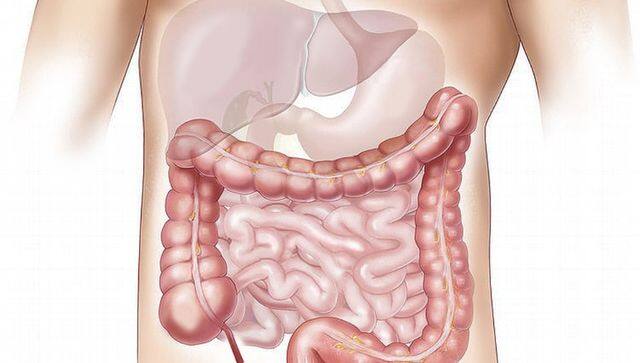 Vinyl chloride, used to make PVC pipes, can cause liver cancer. Pixabay (Representational Image)[/caption]The hallmark of vinyl chloride exposure to the liver is a paradoxical combination of normal liver function tests and the presence of fat in the liver and the death of hepatic cells, which make up the bulk of the liver’s mass. However, the detailed mechanisms that lead to vinyl chloride-induced liver disease are still largely unknown.Recent research has demonstrated that exposure to vinyl chloride, even at levels below the federal limits for safety, can enhance liver disease caused by a “Western diet” – one rich in fat and sugar. This previously unidentified interaction between vinyl chloride and underlying fatty liver diseases raises concerns that the risk from lower vinyl chloride exposures may be underestimated.Outdoor exposure and the risk from wellsIn outdoor air, vinyl chloride becomes diluted fairly quickly. Sunlight also breaks it down, typically in nine to 11 days. Therefore, outdoor air exposure is likely not a problem except with intense periods of exposure, such as immediately following a release of vinyl chloride. If there is a chemical smell, or you feel itchy or disorientated, leave the area and seek medical attention.Vinyl chloride also disperses in water. The federal Clean Water Act requires monitoring and removing volatile organic compounds such as vinyl chloride from municipal water supplies, so those shouldn’t be a concern.[caption id="attachment_12174652" align="alignnone" width="640"]
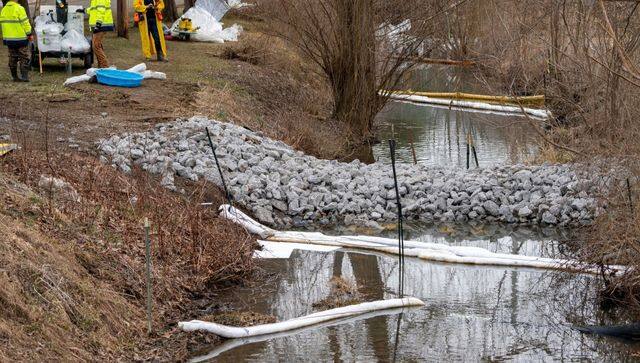 Private wells could become contaminated if vinyl chloride enters the groundwater. AP File Photo[/caption]However, private wells could become contaminated if vinyl chloride enters the groundwater. Private wells are not regulated by the Clean Water Act and are not usually monitored.Vinyl chloride readily volatilises into the air from water, and it can accumulate in enclosed spaces located above contaminated groundwater. This is especially a concern if the water is heated, such as for showers or during cooking.
Vinyl chloride gas in enclosed spaces can therefore accumulate.This effect is similar to recent concerns about fumes from natural gas stoves in poorly ventilated homes.Although there are established safety levels for acute and intermediate exposure, such levels don’t exist for chronic exposures, so testing over time is important.What can be done? Anyone with a private well that may have been exposed to vinyl chloride should have the well monitored and tested more than once. People can air out their homes and are encouraged to seek medical help if they experience dizziness or itching eyes.This article is republished from The Conversation under a Creative Commons license. Read the original article.Read all the Latest News, Trending News, Cricket News, Bollywood News,India News and Entertainment News here. Follow us on Facebook, Twitter and Instagram.
First Published:Feb 18, 2023, 18:05:16 IST
Advertisement
Advertisement

Delhi Police asks personnel to wear uniform: What the law says on cops in plainclothes during protests
The Delhi Police has instructed all its personnel to wear uniforms when they report for duty at Jantar Mantar for crowd control. This comes after outrage grew over videos of men in civilian clothes or without name tags hitting protesters in the Capital. Is it legal for the police to ditch uniforms during protests?
4 min read
Military drones & police check-ups: How Sri Lanka is fighting against worst dengue outbreak in a decade
Sri Lanka is fighting its most severe dengue outbreak in nearly a decade, with infections rising sharply across the nation. Military drones have been deployed to tackle the outbreak, which has claimed 56 lives. Health officials said the outbreak is being driven primarily by the DENV-2 variant of the virus
3 min read
How Facebook job ad lured 2 Karnataka men into Myanmar cyber scam camp
The Karnataka Cyber Command has rescued two youths from a scam compound in Myanmar operated by Chinese fraudsters. The duo from Karnataka were lured on the pretext of data-entry jobs. They were asked to work for 16 hours a day and were expected to sleep for six hours daily
4 min read
Why is India seeing 95% cloud cover despite a Super El Niño?
India is witnessing nearly 95 per cent cloud cover despite a Super El Niño, a climate event usually linked to weaker monsoons. Regional weather systems, cyclonic circulations, the monsoon trough and moisture from two seas are temporarily overpowering one of the world's strongest climate phenomena
5 min read
What is CJP’s fourth demand to the government as protests in Delhi intensify?
The protest by the Cockroach Janta Party at Delhi’s Jantar Mantar refuses to die down. The group have made a fourth demand to the Centre, asking that no FIRs are filed against the agitators and that no legal action be taken. The government has expressed willingness to speak to the protesters, but refused to accede on the resignation of Education Minister Dharmandra Pradhan
5 min read
Advertisement
Advertisement