


Milk, sugar, gold import duty hiked: Could petrol and diesel be next?
India has raised gold import duties, increased milk prices and banned sugar exports. While this has fuelled speculation about a possible petrol and diesel price hike, the Centre has said there is no immediate plan to do so

Is a fuel price hike coming?
The past few days in India have seen the price of milk being hiked, the import duty on gold increased, and the export of sugar being banned. Now, there is speculation that fuel prices could be hiked imminently.
This is despite the government recently saying it has no intention of increasing the price of petrol and diesel in the backdrop of the crisis in West Asia.
But what do we know? Could a fuel price increase be next?
Let’s take a closer look.
Gold, milk, sugar
It began with the Centre on May 13 increasing the import duty on gold and silver from six per cent to 15 per cent. Government sources told News18 that the idea behind this was to tamp down non-essential imports. New Delhi was also looking to relax pressure on foreign exchange reserves and address the increasing trade deficit. India also revised duty on platinum imports from 6.4 per cent to 15.4 per cent.
 More from Explainers
According to the outlet, higher duties on gold – which is considered a luxury item – are often levied in trying times to protect foreign exchange reserves and focus on energy imports. When it comes to gold, India is one of the world’s largest importers. Indians pay for gold in foreign currency, mainly US dollars. Reducing gold purchases helps conserve foreign exchange reserves, which are also needed to pay for essential imports like crude oil. Lower gold imports can therefore ease pressure on the rupee during a global energy crisis.

Then, on May 14, major brands including Amul and Mother Dairy increased the price of milk by Rs 2 depending on the variant. In fact, this is going up by as much as Rs 5 per pack depending on the variant. This applies to full cream milk, toned milk, cow milk, buffalo milk and premium variants. Amul had previously hiked milk prices in April 2025. Experts say that the impact of the war in West Asia is now filtering down to essential commodities. For a country like India, the price of milk matters more than one imagines. This is because everything from paneer to curd, ghee, sweets, tea, coffee and restaurant food becomes more expensive.
India also banned the export of raw, white and refined sugar until September 30. The Directorate General of Foreign Trade (DGFT), under the Ministry of Commerce and Industry, issued the notification changing the export policy. As per the notification, the export status of raw sugar, white sugar and refined sugar has been changed from ‘Restricted’ to ‘Prohibited’.
Officials told News18 that this was done to safeguard domestic supplies, get a grip on inflation and protect Indian consumers. Experts say the idea is to keep domestic prices in check over possible shortages as a result of exports, speculative trading or increased transportation costs due to more expensive crude oil prices.
What Centre is saying on fuel prices
Thus far, the government has given no indication that it is set to increase fuel prices.
Petroleum Minister Hardeep Singh Puri, at the CII Summit earlier this week, said, “There is no shortage of petroleum products in the country. We have adequate supplies. But Prime Minister Narendra Modi’s austerity appeal should be seen as a wake-up call.”
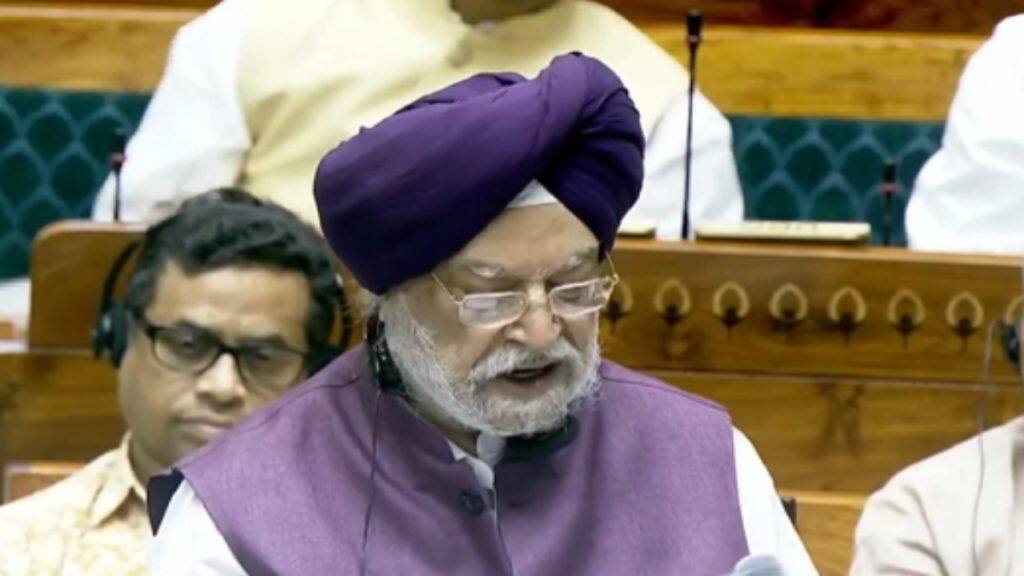
“War has been going on for the last 75 days, but we haven’t raised prices in the last four years, and we’re the only country in the world. People are saying elections are over, so prices are being hiked. 2022 was the last time we raised prices. There have been general elections and state government elections after that,” he said.
“We’ve converted the challenge into an opportunity. I’m not saying prices will not go up. I’m saying prices and elections are unrelated,” he added.
India has kept the price of petrol and diesel steady at Rs 94.77 per litre and Rs 87.67 per litre for the past two years. This is in contrast to other nations, which have imposed rationing and steeply hiked prices. For example, Japan and the UK have increased fuel prices by as much as 30 per cent since the beginning of the West Asia war. However, others have warned that the situation could deteriorate. Veteran banker Uday Kotak said, “The shock is coming, and it’s big. India must prepare for serious economic fallout if the West Asia crisis prolongs.”
What PM Modi said
Modi urged citizens to curb their use of petrol and diesel. “The need of the hour is to use petrol, diesel, gas and other petro products with restraint. Imported petro products should be used only as per need. This will not only conserve foreign exchange reserves but also reduce the adverse impact of war. We do not have to donate now, but we should at least resolve not to buy gold at functions for one year to conserve foreign exchange reserves,” he added.
He added that citizens should refrain from buying gold. “We do not have to donate now, but we should at least resolve not to buy gold at functions for one year to conserve foreign exchange reserves,” he said.
He urged people to reduce consumption of cooking oil. “I have been saying, reduce the use of cooking oil by 10 per cent. This will not only help the nation during these times but also improve the health of your family,” he said.
He urged citizens to use the Metro and public transport, as well as carpool. “Use Metros wherever they are available. Use carpooling to go to places, and use the Railways if you have to transport goods. All of this will reduce dependency on petrol and diesel, and thereby decrease pressure on foreign exchange reserves,” the Prime Minister said.
He advocated a return to work-from-home. “We developed work-from-home systems, virtual meetings and video conferencing during the Covid period and became habituated to them. The need of the hour is to resume those practices,” he said.
He also asked citizens to prefer local destinations rather than foreign trips. “In India, we have many places to see... We have to conserve foreign exchange reserves by every possible means,” he said.
He called on farmers to bring down the use of chemical fertilisers and engage in organic farming. “If we reduce chemical fertiliser usage by even 20 per cent to 50 per cent and adopt organic farming, it will help,” he said.
He asked citizens to buy products that are made in India. “I am not asking people to throw away foreign goods, but not to buy them in future. This is not the duty of any political party alone. It is the responsibility of every citizen,” he said.
FAQs
1. Is India planning to increase petrol and diesel prices?
The government has said there is no immediate plan to hike fuel prices, although it has not ruled out future increases.
2. Why has India increased gold import duty?
The move aims to curb non-essential imports, conserve foreign exchange reserves and manage the trade deficit.
3. How are global events affecting prices in India?
The West Asia crisis has increased costs of commodities like fuel, which is now impacting essentials such as milk and sugar.
With inputs from agencies
Tags

Why India may not witness a medal rush at 2026 Commonwealth Games
Delhi Police asks personnel to wear uniform: What the law says on cops in plainclothes during protests
Military drones & police check-ups: How Sri Lanka is fighting against worst dengue outbreak in a decade
How Facebook job ad lured 2 Karnataka men into Myanmar cyber scam camp
Why is India seeing 95% cloud cover despite a Super El Niño?