


Keir Starmer resigns: What went wrong for the British PM? How will his successor be chosen?
Two years after he was sworn into power, Keir Starmer has announced that he is resigning as British PM and leader of the Labour Party. His departure comes as questions mounted over his leadership abilities. Now, the party will hold a leadership race, with Andy Burnham, the former Greater Manchester mayor, looking to be the seventh leader of the country in 10 years

After much speculation and rumours, Keir Starmer finally let the nation know the one question that everyone was asking — will he step down?
On Monday (June 22), a day after US President Donald Trump had announced on social media that the British PM would be resigning soon enough, Starmer appeared before the British press and public outside 10 Downing Street and announced that he would be quitting as leader of the governing Labour Party and would leave office within weeks.
By doing so, Starmer is the sixth prime minister in a decade to announce a premature departure. His statement comes the day before Britain marks the 10th anniversary of its vote to leave the European Union, a decision that still roils the country’s economy and politics.
But what exactly happened? Why has Starmer resigned? And more importantly, who shall replace him?
 More from Explainers
As the drama unfolds in the United Kingdom, we gather all that’s happening and unpack the situation for you.
What led Starmer to step down as PM?
On Monday, Starmer appeared before the British public and announced that he had lost the support of his Labour Party MPs and hence, was resigning.
With his voice choked with emotion, Starmer noted, “The question my party is asking now is whether I am best placed to lead us into the next general election. “I have heard the answer of my parliamentary party to that question, and I accept that answer with good grace.”
He added that he spoke to King Charles III, Britain’s constitutional monarch, to inform him of the decision, adding that he “will remain in post as prime minister until the (leadership) contest is complete, and I will do everything I can to ensure an orderly handover of power”.
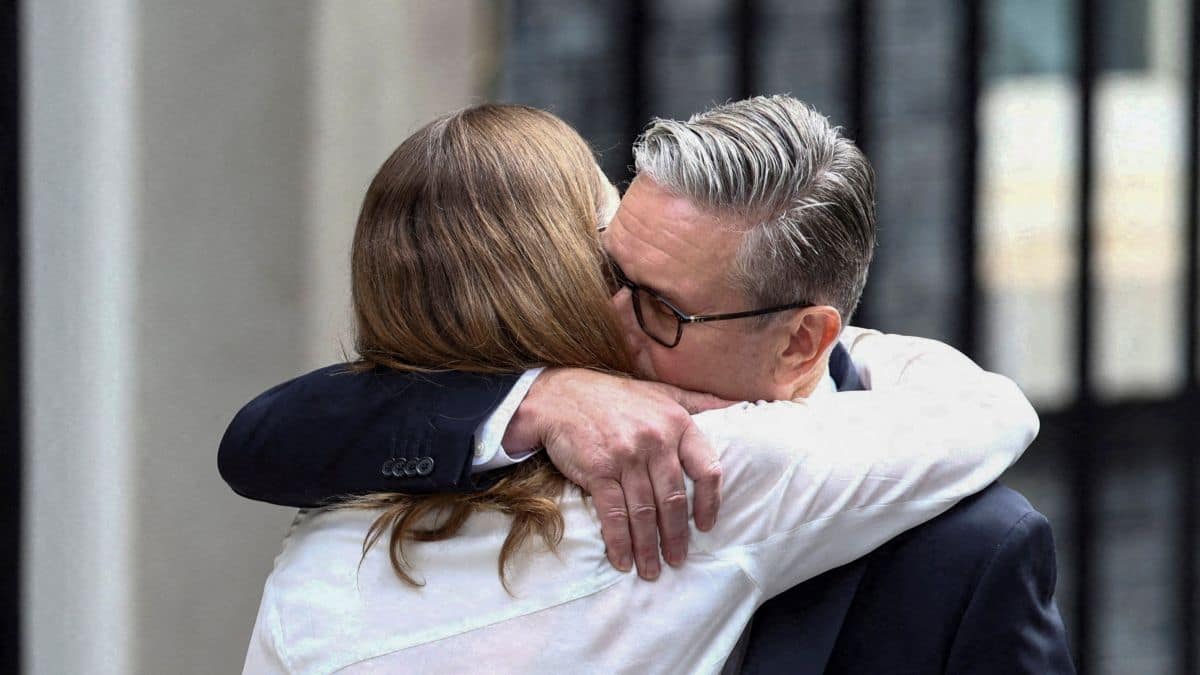
Today’s moment is a stunning reversal of fortunes. Just two years ago, he led the Labour Party to a landslide victory in the general elections, allowing for the party’s return to power after 14 years out of office.
However, the British PM no longer enjoys that popularity from 2024. A string of policy decisions and controversies made Starmer highly unpopular, causing him to lose the support of his own party members.
The first blow came last year when Starmer’s government reversed course on three major policies within a month, raising concerns about its direction and stability.
However, it was the appointment of Labour stalwart and former business secretary Lord Peter Mandelson as ambassador to the US, knowing he had links to late sex offender Jeffrey Epstein, which caused the most controversy.
Starmer’s unpopularity was laid bare by Labour’s heavy losses in the local elections in May. In fact, Labour is losing liberal voters to the growing Green Party and facing a rising Reform UK, the Nigel Farage -led anti-immigration party that consistently leads in nationwide opinion polls.
The British PM has also struggled to deliver promised economic growth, repair tattered public services, and ease the cost of living.
It was the drubbing in the polls that set the path for this moment, with voices for his ouster growing. In May, Wes Streeting resigned as health secretary, stating that he was dismayed with the PM.
And this pressure grew over the weekend after Greater Manchester mayor Andy Burnham secured a thumping victory in the special Makerfield byelection, clearing his path to becoming a member of parliament — a prerequisite to becoming the British PM.
In fact, after Burnham’s triumph, Starmer’s ministers, including Foreign Secretary Yvette Cooper, Home Secretary Shabana Mahmood and Transport Secretary Heidi Alexander, told the prime minister to go, reported the BBC.
And perhaps, the biggest sign that Starmer was considering resignation came on Sunday when Starmer’s most loyal ministers, the UK’s Business Secretary, Peter Kyle, told the BBC, “I don’t want to come on here and be delusional that there is no process, there are no forces at work which are challenging the prime minister as leader — that is clearly the case.”
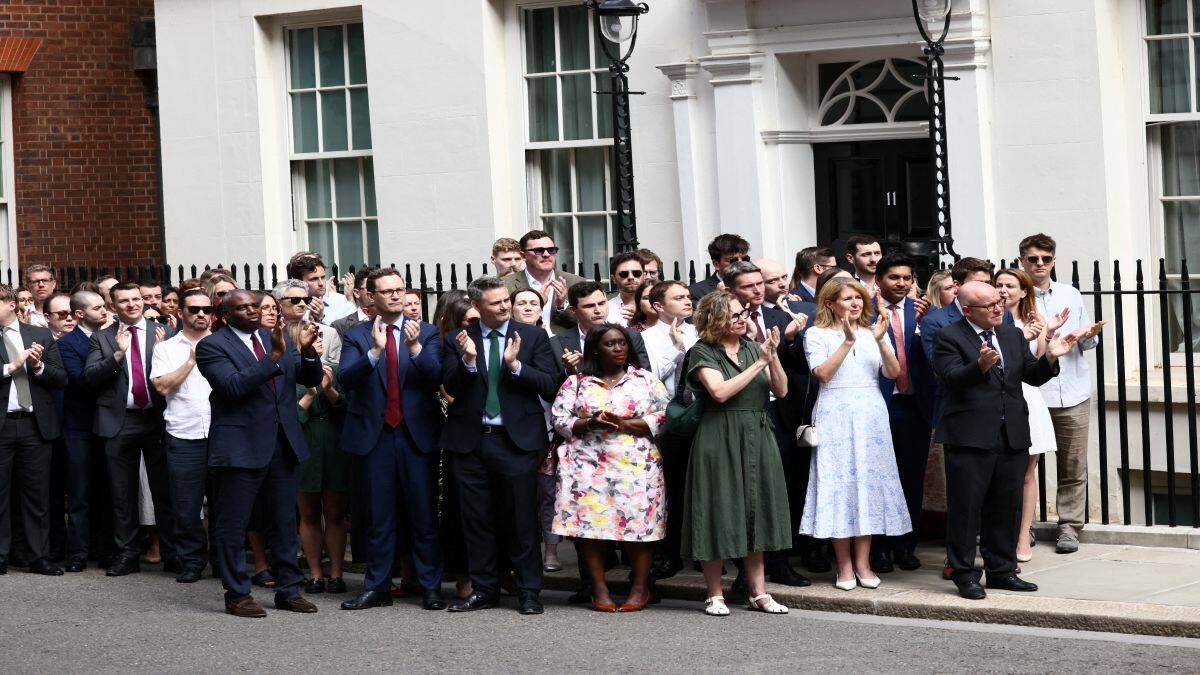
So, will there be an election now for the next British PM?
But even with Starmer resigning, there won’t be a general election. That’s because there is no rule saying the British PM has to call a general election, which would put every MP’s seat up for grabs.
However, Nigel Farage of Reform UK has demanded that general elections be held. “Reform demands an election, and we are ready to deliver radical change,” said Farage, whose party has topped the opinion polls for months and delivered a resounding blow to Starmer’s centre-left Labour in May's local elections.
Liberal Democrats also suggested a radical change to take place. Ed Davey, the Liberal Democrat Leader, said Starmer’s replacement would have to change “our broken politics.”
“The British people are sick of being let down by an endless merry-go-round of prime ministers while nothing really changes for them,” he said. “This time must be different. It can’t just be about changing who’s in No. 10, it has to be about changing our broken politics so we can fix our country.”
Zack Polanski, who leads the Green Party, echoed that the UK needs a “bold change of direction.”
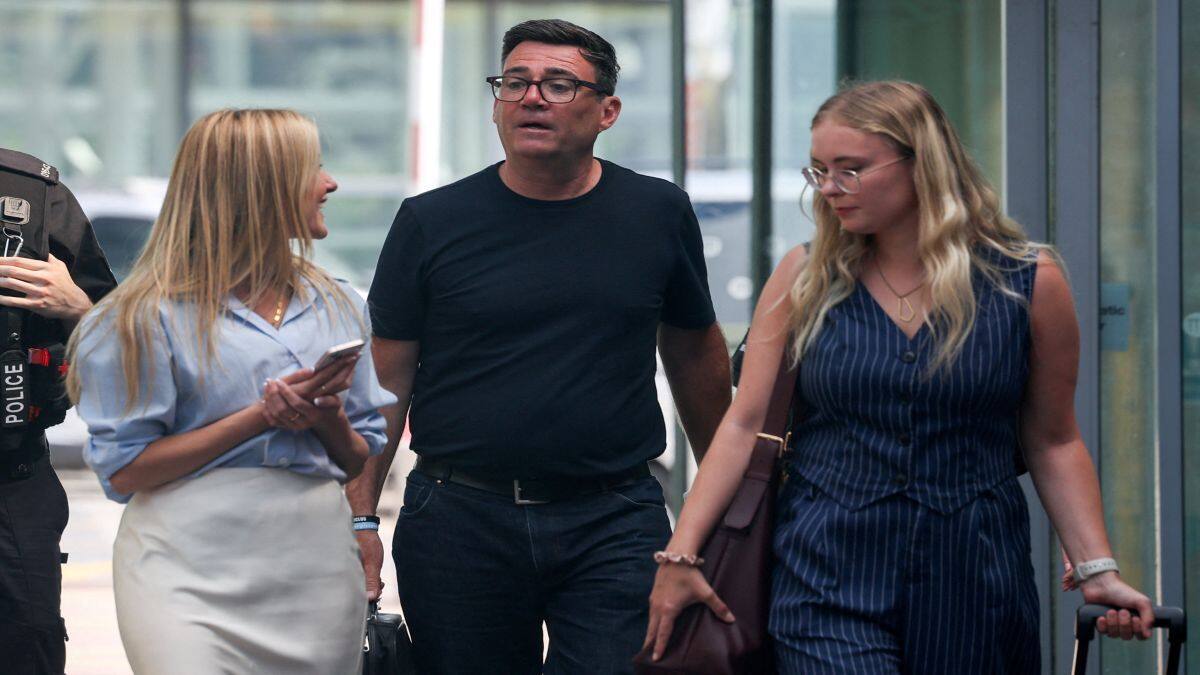
So, how will the next British PM be chosen?
Starmer’s exit has triggered a leadership contest within the Labour Party. Any candidate wishing to replace Starmer would need to secure the support of 20 per cent of Labour members of parliament. With Labour currently holding 403 seats, that equates to 81 lawmakers, including the challenger.
And this process will begin on July 9 when nominations open and close when the British parliament breaks up for its summer recess, which is scheduled to begin July 16.
Shortly after Starmer’s announcement, Burnham made his prime ministerial intent clear. The outgoing mayor of Greater Manchester wrote on X, “Keir has given huge service to our country, and I want to thank him for his leadership and dedication during such a challenging period.
“His decision marks the beginning of a transition, and it is important that this process is conducted in an orderly and responsible way. I will put myself forward as part of this process.
“The country expects stability, seriousness, and a continued focus on the issues that matter most and that is what it will get. As we move forward, our priority must be to work together to get the country back to where we all want it to be.
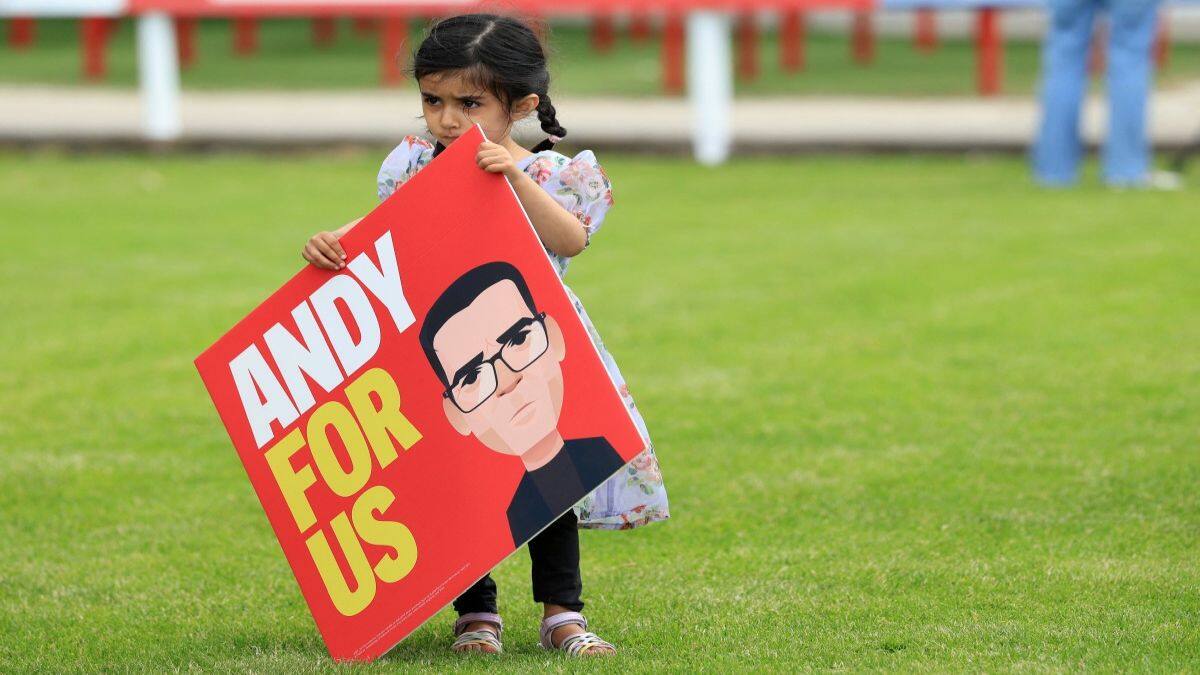
“People want to see progress on economic growth, cost of living, public services, housing and opportunities for the next generation. Political change should never distract from the responsibility to improve people’s lives.
“The Labour movement has always been at its strongest when it looks forward with confidence and purpose. This is what we will do from here and we will make sure this transition is a positive process of renewal for our party and our country.”
Interestingly, former health secretary Wes Streeting announced he will back Andy Burnham for Labour leader. Earlier, there were rumours that Streeting would also step into the race to replace Starmer. However, The Guardian reported that Streeting will not compete, either because he does not have the MPs needed or because he would almost certainly lose a vote of Labour MPs and would be wary of derailing preparations for the next government.
If all goes as planned, Burnham could be the next British PM by July 17, noted The Guardian. But in politics, nothing is guaranteed.
With inputs from agencies

Delhi Police asks personnel to wear uniform: What the law says on cops in plainclothes during protests
Military drones & police check-ups: How Sri Lanka is fighting against worst dengue outbreak in a decade
How Facebook job ad lured 2 Karnataka men into Myanmar cyber scam camp
Why is India seeing 95% cloud cover despite a Super El Niño?
What is CJP’s fourth demand to the government as protests in Delhi intensify?