


How Indian teen’s death could end New York’s love affair for horse carriages
The death of 18-year-old Romanch Mahajan from India after a horse bolted away from its owner has intensified calls to end one of New York’s most famous tourist attractions. Many tourists from around the world arrive in the city to enjoy a horse-drawn carriage drive, which first began in 1832

It seems New York City’s love affair with horses may end soon. The death of an 18-year-old Indian after a horse bolted away from its owner has led to calls to end the practice of the old tradition in the Big Apple.
The tragic demise of 18-year-old Romanch Mahajan, who was in New York City to celebrate his recent high school graduation, prompted New York Mayor Zohran Mamdani to state that the incident suggested it was time to outlaw carriage rides in Central Park.
New York Councilman Frank Morano said that this tragedy might be the proverbial final straw for the beleaguered industry. “We have an 18-year-old boy who came here to celebrate his graduation, who is leaving in a coffin. It’s totally unacceptable,” Morano told The Post, adding, “The time for treating these accidents as isolated incidents is over. It is an industry that no longer makes sense.”
 More from Explainers
As a debate reignites over the horse carriage industry in New York, here’s a closer look at the incident behind it all and the history behind it all.
Indian teen dies in tragic horse tragedy
At the heart of the entire debate that is raging in New York is the death of 18-year-old Romanch Mahajan on Wednesday (June 17). The Indian teenager was in Central Park with his family to celebrate his high school graduation.
It was then that he and his family decided to take a leisurely stroll on one of New York’s most iconic horse-drawn carriages. Amid the horse carriage ride, the driver stopped to take a family photo. In that instant, the horse bolted. It tore up onto the sidewalk and bumped onto the grass, accelerating crazily, the driver racing behind.
“We were yelling, ‘Help me, help me!” said Romanch’s father to the New York Times. The family clung desperately to one another, but when Mahajan’s wife, Priya, fell out of the carriage, Romanch jumped down to try to help her, he said. “My son, just to save his mother, he fell off,” said 44-year-old Mahajan. “He was screaming, ‘Mom’!”
Romanch hit his head on the ground following which he was rushed to the hospital, but died there. The rest of the family escaped with minor injuries, though their carriage clipped another carriage and toppled over, shattering into pieces.
The union that represents horse carriage drivers said this tragedy never should have happened. “It appears the driver was at least at arm’s length from his horse,” said Alexander Kemp, a vice president of the union, Transport Workers Union Local 100. “This is unacceptable. A driver is not supposed to leave the carriage to take photos — ever. We support a full investigation.”
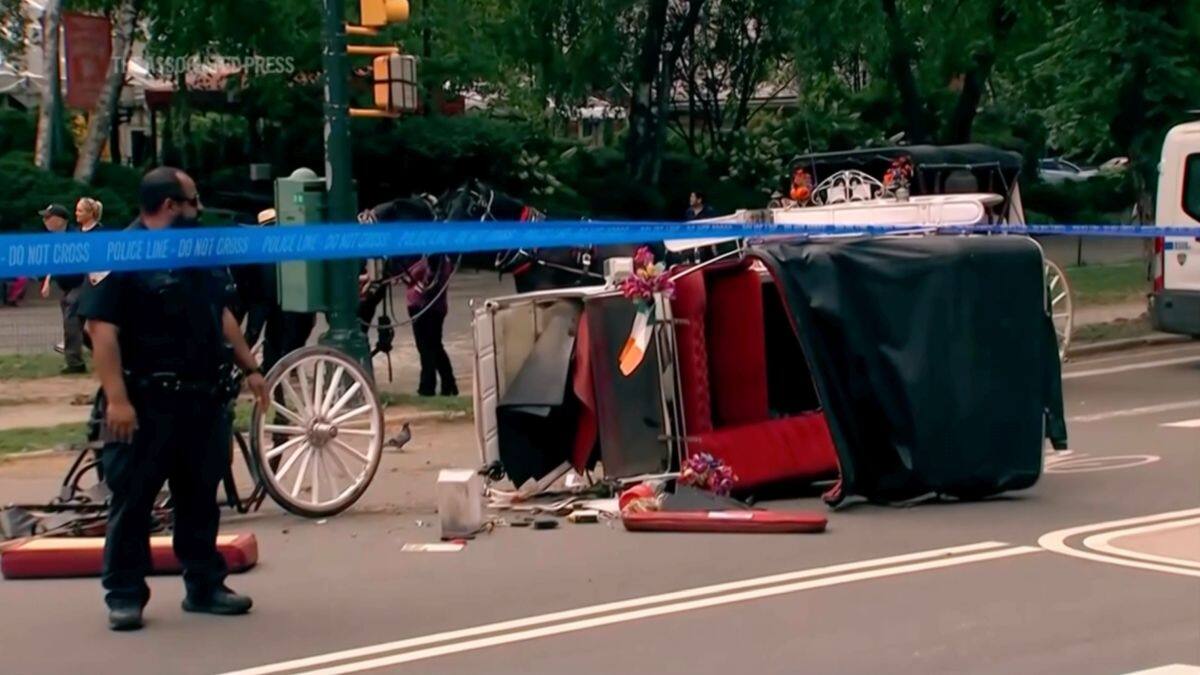
Following the incident, Kemp added that the carriage owner had indefinitely suspended the driver and that the horse, Sampson, would be retired from the carriage business.
The story behind horse carriages in New York
The death of Romanch Mahajan has shed light on the Big Apple’s horse-drawn carriage industry and whether it should even exist in today’s modern day. Horse-drawn carriages have existed in New York City for almost 200 years.
Horses first came to America courtesy of the Dutch. They used the animals to carry heavy loads and operate gristmills and sawmills. English settlers imported horses for racing. In 1832, horse-drawn carriages were used in New York City.
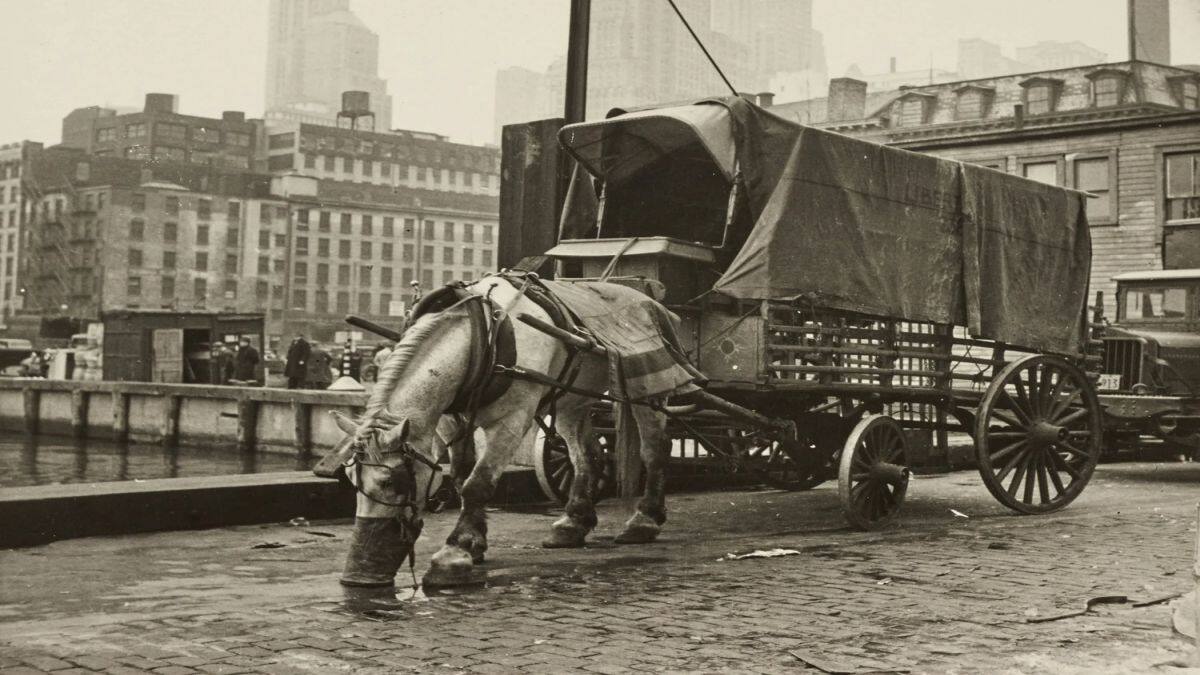
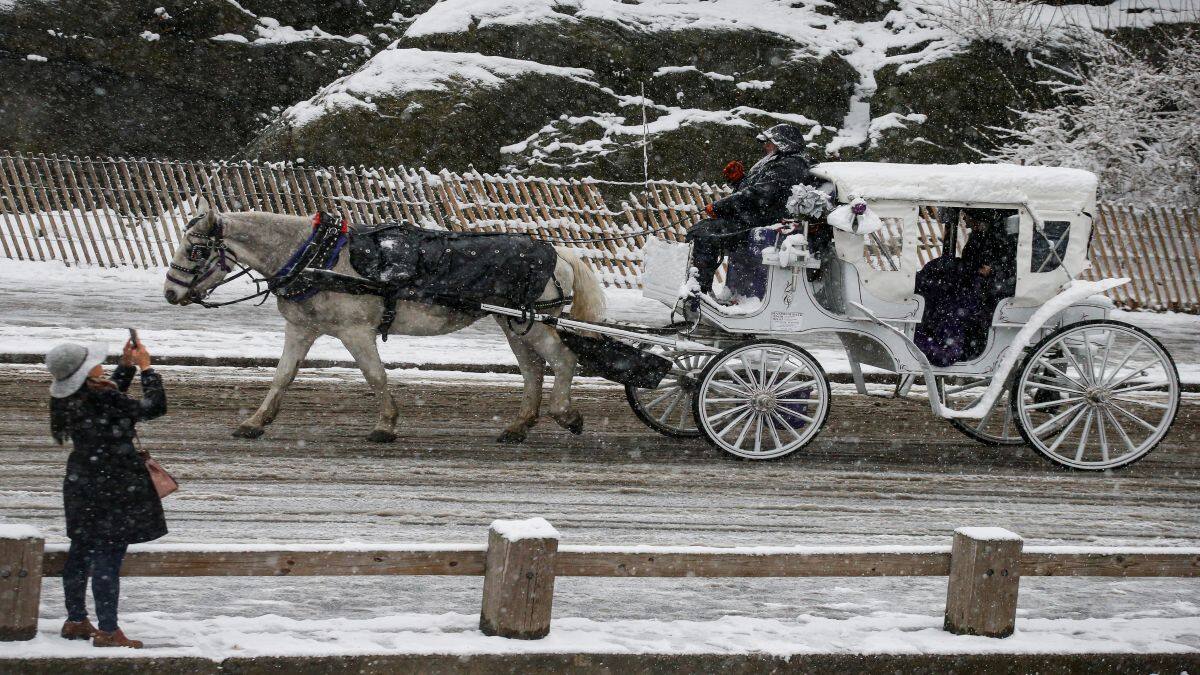
They became almost synonymous with Central Park. Central Park, designed in the mid-19th century by Frederick Law Olmsted and Calvert Vaux, was intended to provide a green oasis in the bustling city. Horse-drawn carriages quickly became a popular way for visitors to explore the park’s vast landscapes. In those early years, owning a horse-drawn carriage was a symbol of prestige, and for city residents, it was the main means of private transportation.
Soon enough, horse-drawn carriages became just a way for the average New Yorker to get around the city. In the late 1850s, horsecars — trams on rails pulled by horses — moved 120,000 passengers a day through Manhattan.
With the onset of vehicles, horse-drawn carriages transitioned from a necessity to an indulgence aimed at tourists. Between 1910 and 1920, the number of horses declined from 128,000 to 56,000.
Today, the horses are confined within Central Park and the surrounding area, including Times Square. According to one report, as of today, there are approximately 200 horses, 150-200 horse carriage drivers/owners, and 68 horse carriages operating in New York City.
The long debate over horse-drawn carriages in New York
Mahajan’s death isn’t the first time that calls have emerged to ban the use of horse carriages in the Big Apple. Animal activists have long argued that the practice is cruel in today’s day and age.
As Elizabeth Forel, president of the Coalition to Ban Horse-Drawn Carriages, told the BBC earlier, “The carriage trade is unnecessary, and it is not safe to keep them on the street. Cars also cause injuries, but they are very necessary to transport people. The tight quarters and crowded city streets are a recipe for disaster.”
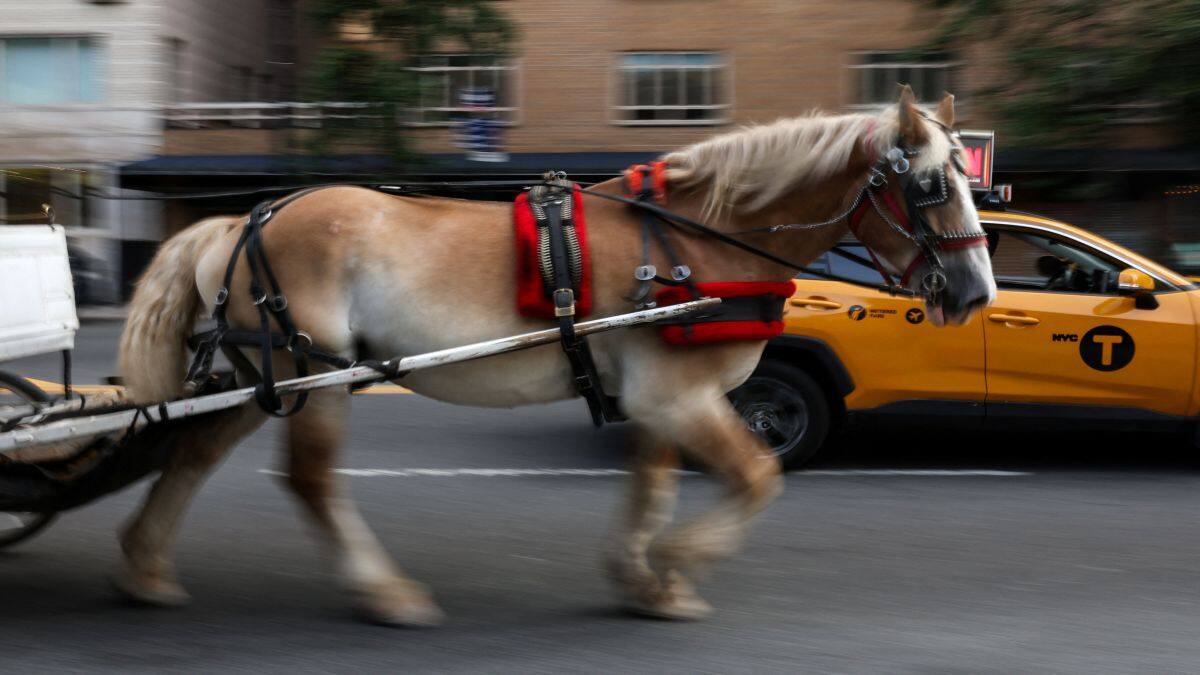
Activists point out to several instances in which horses have died. Just last week, a 16-year-old horse Deniz, was towing two passengers when he collapsed and died in New York City. Earlier in 2022, a horse named Ryder collapsed on a street in New York City.
This has prompted lawmakers to introduce an updated version of Ryder’s Law, which seeks to ban horse-drawn carriages completely. Under the bill, the city would no longer issue new carriage licenses, freezing the current number of “medallions” at 68, and phasin out the rides over two years.
The Central Park Conservancy, which manages the 843-acre public space, has supported Ryder’s Law, citing public safety concerns. “In the past year, New Yorkers have witnessed at least seven separate incidents in which horses became spooked and either broke free — posing danger to passengers, park-goers, and others — or caused injury to their drivers, or, now, collapsed and died on Central Park’s Drives," the conservancy stated. “It’s time to end this practice.”
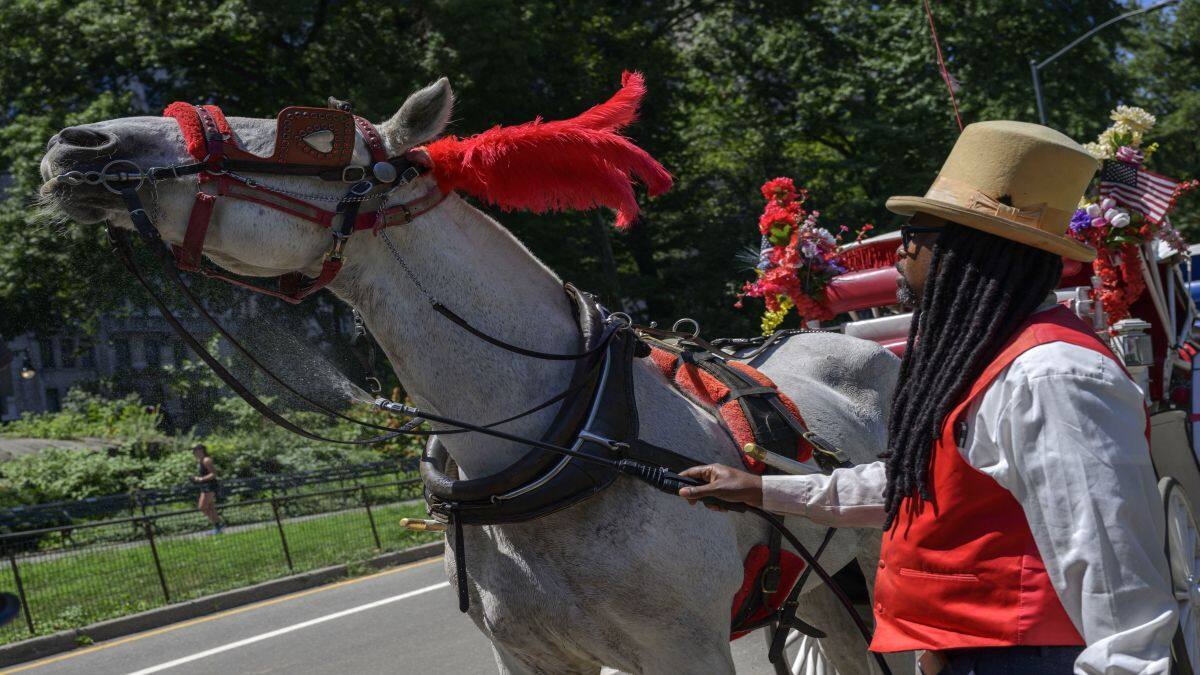
But horse-drawn carriage drivers and owners argue against this legislation, stating it will affect their livelihood. They are pushing for further oversight by NYC officials, instead.
Existing laws note that carriage horses should not be at work more than nine hours in any continuous 24-hour period, while riding horses should not be at work more than eight hours in any continuous 24-hour period. There are laws written for their housing, healthcare, feed and water. Additionally, it is illegal for a horse to work when temperatures reach 90 degrees Fahrenheit (32 degrees Celsius) or drop to 18 degrees Fahrenheit (-7 degrees Celsius). Additionally, owners should not allow horses to work on a public highway, path, or street in adverse weather or dangerous conditions and more.
New York awaits the next move. Until then, the Mahajan family grieves their loss.
With inputs from agencies
Tags

Military drones & police check-ups: How Sri Lanka is fighting against worst dengue outbreak in a decade
How Facebook job ad lured 2 Karnataka men into Myanmar cyber scam camp
Why is India seeing 95% cloud cover despite a Super El Niño?
What is CJP’s fourth demand to the government as protests in Delhi intensify?
The new geography of war: Why the Houthis can no longer be ignored