


How PM Modi’s austerity call echoes a global economic mood amid West Asia tensions
Grappling with the West Asia crisis, PM Narendra Modi has urged Indians to adopt austerity measures such as work from home, avoid buying gold and travelling abroad. This appeal reflects a worldwide pattern. At least 40 countries have implemented emergency energy conservation measures such as fuel rationing and air-conditioning limits

The Iran war began on February 28, and for over two months, it has continued to drag on with no peace in sight. The conflict has triggered what the International Energy Agency (IEA) describes as the largest disruption in global oil supply in history.
At the heart of this crisis is the Strait of Hormuz, a critical chokepoint through which 20 per cent of global oil supply normally flows. As this vital waterway remains blockaded, it has resulted in oil flows reducing, forcing governments worldwide to rapidly deploy emergency measures to curb demand and protect consumers.
On Sunday (May 10), Prime Minister Narendra Modi also urged Indians to adopt some austerity measures such as working from home, buying less gold, and limiting foreign travel, to deal with the continuing crisis in West Asia.
But while PM Modi has made an appeal, other nations have gone beyond that by issuing mandates like fuel rationing, compulsory work-from-home, fuel caps, lower speed limits, and travel curbs to tackle the energy crisis.
 More from Explainers
From WFH to no foreign travel, PM Modi’s appeal to the nation
On Sunday (May 10), at a rally in Telangana’s Secunderabad, PM Narendra Modi made seven appeals to the country, citing the West Asia crisis.
He told the crowd, “Patriotism is not only about the willingness to sacrifice one’s life on the border. In these times, it is about living responsibly and fulfilling our duties to the nation in our daily lives.”
He then urged Indians to follow these seven directives:
>> Prioritise work from home wherever possible
>> Avoid buying gold for one year
>> Reduce petrol and diesel consumption; use metro/public transport
>> Cut down the use of cooking oil
>> Reduce dependence on chemical fertilisers and move toward natural farming
>> Use fewer foreign-branded products, adopt Swadeshi
>> Avoid foreign travel for one year
A day later, he reiterated the need for Indians to adopt these austerity measures while addressing a gathering at Vadodara in Gujarat.
India isn’t alone in calling for such measures
Notably, India isn’t alone in making such an appeal to its citizens. The International Energy Agency (IEA) has observed that approximately 40 countries, plus the European Commission, have implemented some kind of emergency energy conservation measures.
The global agency found that over 40 nations have taken action on fuel and mobility, with some advanced countries introducing excise duty cuts and sector-specific relief for transport, farming, and high-mileage users.
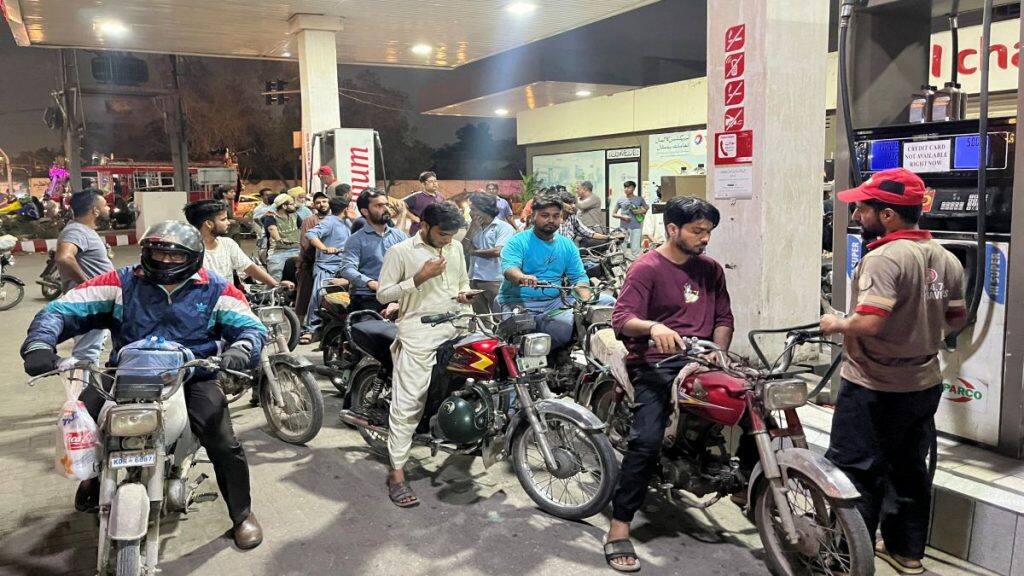
Additionally, 18 nations have adopted mobility reduction strategies. This includes fuel rationing, odd-even driving programmes, promotion of carpooling, and introducing limits on private/government vehicles.
A total of 13 countries have also introduced work from home arrangements as a way to save fuel, noted the IEA.
The ‘austerity measures’ adopted by other nations
Work and study from home: This is, by far, the most adopted fuel-saving measure implemented by nations in response to the energy crisis.
Countries such as Pakistan and the Philippines have imposed four-day working weeks for public officials. Meanwhile, Indonesia has imposed a work-from-home requirement for public-sector employees on Fridays, while Myanmar mandates remote work on Wednesdays. Vietnam has also encouraged businesses to adopt remote work and online meetings.
Sri Lanka, Peru, and Bangladesh have also shortened school weeks or increased remote learning.
Government travel restrictions: Many nations have also imposed restriction on officials travelling abroad as a measure to save fuel as well as foreign reserves.
For instance, Jordan and Pakistan have banned international travel for public officials. Jordan has curbed the hosting of foreign delegations, too.

Limit cooling in buildings: Governments in several countries have also placed temperature limits on the use of air conditioners in public offices.
While Jordan has gone as far as banning air conditioning in office buildings, other nations have set limits. For instance, Bangladesh has instructed that ACs in government offices, banks, and mosques be set to a minimum of 25°C or higher. Similar limits have been imposed in Cambodia (24–25°C), Sri Lanka (26°C), Malaysia (24°C) and Thailand (26°C).
Launch energy-saving campaigns: Alongside policy mandates, governments are appealing directly to citizens to change behaviour.
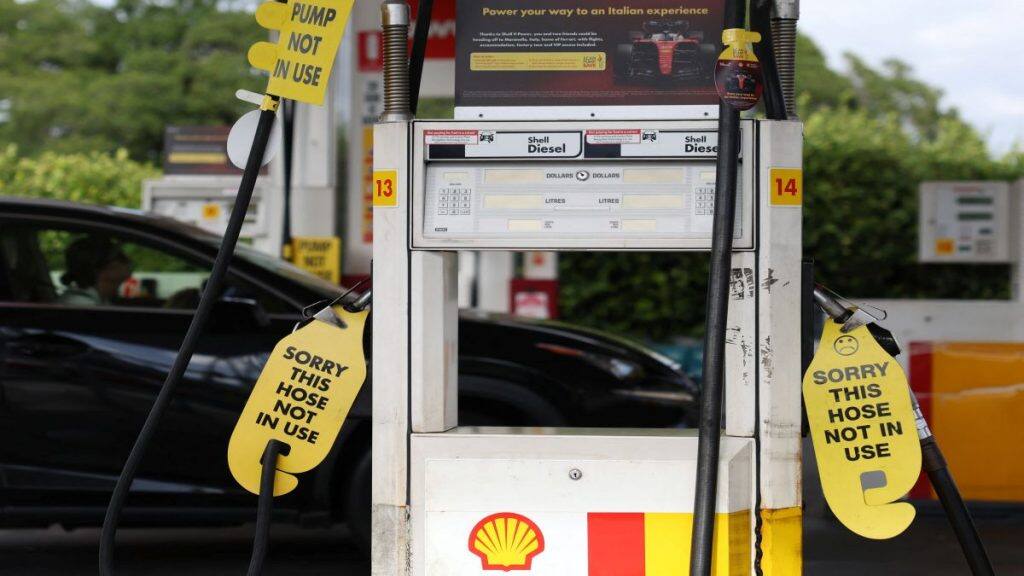
In Australia, the ‘Every Little Bit Helps’ campaign has encouraged voluntary reductions in fuel use and energy consumption. Singapore also has the ‘Let’s Save Energy Together’ programme.
The Netherlands has also activated the first phase of its energy crisis plan. Activation of the first stage means fuel markets are distorted, without immediate shortages. In this stage, energy markets will be closely monitored, while the government and industry prepare for a worse situation.
In the UK, the government announced the “boiler upgrade scheme” in which households and small businesses across England and Wales would receive financial help to transition to electric heating.
Other measures: While South Korea has adopted odd-even programme to save fuel, Sri Lanka has turned off the lights on billboards as part of their fuel-conservation programme.
When compared to other countries and their fuel-saving measures, it seems PM Modi’s appeal doesn’t seem that excessive.
With inputs from agencies
Tags

Delhi Police asks personnel to wear uniform: What the law says on cops in plainclothes during protests
Military drones & police check-ups: How Sri Lanka is fighting against worst dengue outbreak in a decade
How Facebook job ad lured 2 Karnataka men into Myanmar cyber scam camp
Why is India seeing 95% cloud cover despite a Super El Niño?
What is CJP’s fourth demand to the government as protests in Delhi intensify?