


How El Niño could raise a stink for India’s fishing business
El Niño has developed in the Pacific Ocean and is about to exert its influence on rainfall and weather in India. However, the climate phenomenon will also impact the country’s fishing sector. The catch of sardines and mackerel will be affected. Additionally, warming seas could also make traditional fishing grounds less productive

Last week, the India Meteorological Department declared that El Niño has developed in the Pacific Ocean and is expected to strengthen during the southwest monsoon season. The announcement came a day after the US National Oceanic and Atmospheric Administration (NOAA) confirmed the emergence of El Niño and projected a 63 per cent chance that it could reach “very strong” intensity between November 2026 and January 2027.
When El Niño develops, India starts watching the skies. Weather agencies track monsoon forecasts, farmers worry about rainfall and policymakers prepare for the possibility of drought. But its influence extends far beyond agriculture. It can also reshape life beneath the waves.
A climate event that reaches India’s seas
El Niño occurs when sea surface temperatures in the central and eastern Pacific Ocean become unusually warm. Although it originates thousands of kilometres from India, it alters atmospheric circulation patterns across the tropics, influencing monsoon rainfall, ocean temperatures and marine productivity.
 More from Explainers
Fish are highly sensitive to these changes. Many marine species rely on a narrow range of environmental conditions for feeding, breeding and survival. “El Niño weakens the trade winds that help drive ocean circulation and upwelling. In the Arabian Sea, where marine productivity depends heavily on monsoon-driven upwelling, this can reduce the supply of nutrients reaching surface waters and weaken the food webs that support fisheries,” says Monika Makwana, assistant professor at the School of Public Policy, Indian Institute of Technology Delhi.
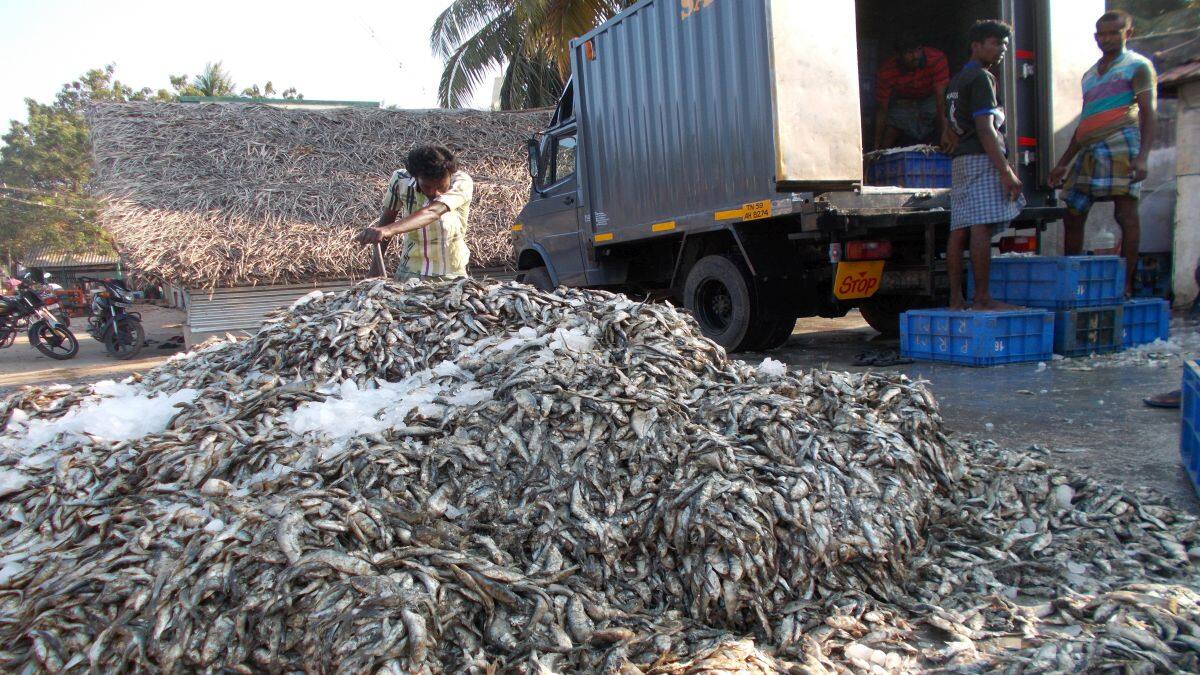
The Bay of Bengal responds differently because of its semi-enclosed geography and large freshwater inflows. However, it too can experience warmer sea surface temperatures and more frequent marine heatwaves during El Niño conditions.
Scientists have documented these effects in Indian waters. Studies by the Central Marine Fisheries Research Institute (CMFRI) have shown that climate variability influences the distribution, abundance and seasonal behaviour of commercially important species such as oil sardine and Indian mackerel. Research from the southeastern Arabian Sea found that mackerel catches are closely linked to rainfall, ocean productivity and broader climate patterns associated with El Niño and La Niña.
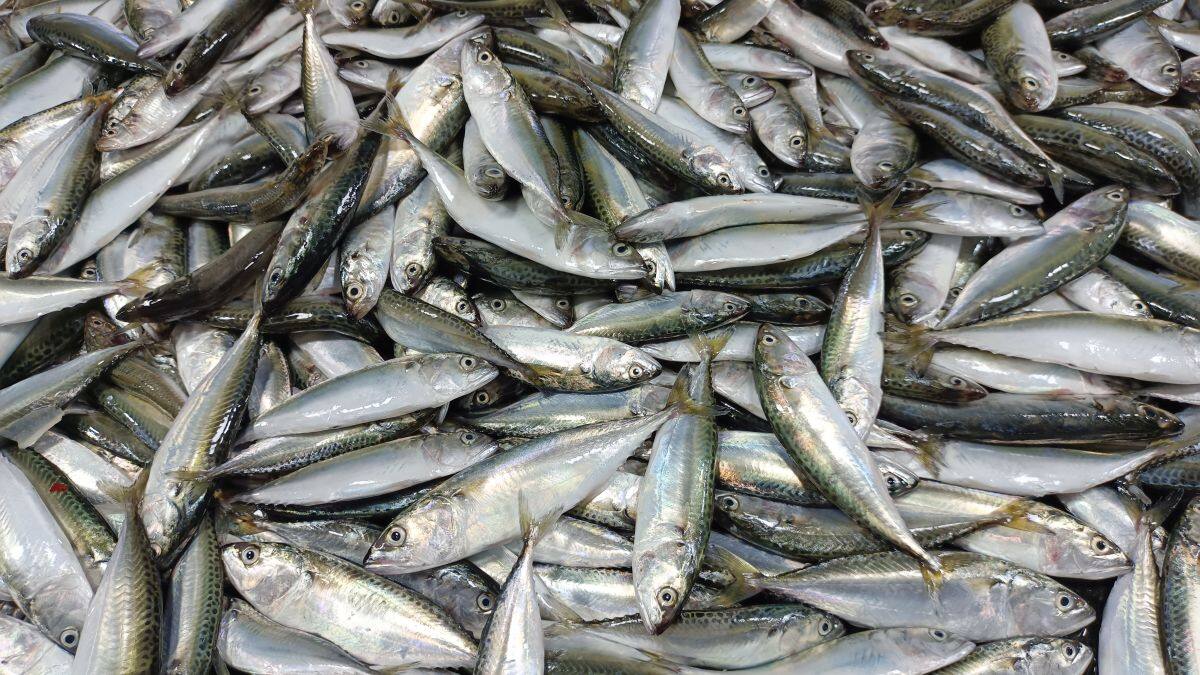
"The catches of sardine and mackerel have been fluctuating over the years, and climate change is one of the factors influencing these changes," says Imran Samad, a researcher at the Centre for Ecological Sciences, Indian Institute of Science.
The sardine story
No species illustrates the connection between climate and fisheries better than the Indian oil sardine.
Scientists have linked fluctuations in sardine numbers to changing ocean temperatures, monsoon patterns and food availability. Recent research suggests that favourable rainfall and ocean conditions can improve the survival of sardine larvae. It also indicates that ecosystem productivity may play a bigger role in determining future sardine numbers than the size of the adult breeding population.
Much of this link runs through the monsoon. Seasonal upwelling in the Arabian Sea brings nutrient-rich water from the depths to the surface, fuelling plankton growth. These microscopic organisms form the foundation of marine food webs and provide food for developing sardines.
“Warmer, more stratified waters suppress phytoplankton growth, which forms the foundation of the marine food web. Rising sea surface temperatures also affect the physiological and metabolic processes of marine fishes, reducing their size and affecting populations. Oil sardine maturation depends on the cool, nutrient-rich water that upwelling brings inshore during the pre-monsoon months. Warm water conditions delay spawning or may fail entirely,” says Makwana.
Fish on the move
Warming seas are also reshaping where fish are found. Several commercially important species have expanded or altered their ranges in response to changing ocean conditions. Oil sardine, traditionally concentrated along India’s southwest coast, has expanded its range into parts of India’s northern and eastern coastline where it was once less abundant.
For fishers, these shifts can create uncertainty. Traditional fishing grounds may become less productive, while fish appear in unfamiliar areas. Small-scale fishers often lack the technology or resources needed to track these changes.
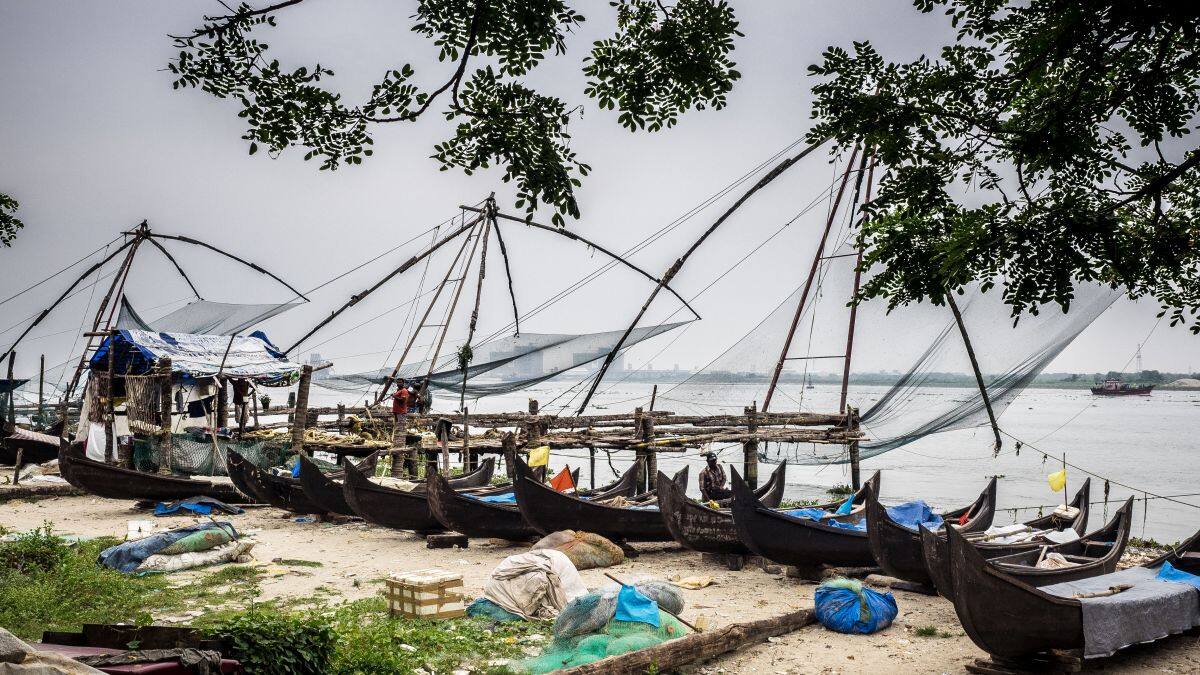
The impacts extend beyond fish populations. Warmer ocean conditions can also intensify marine heatwaves and increase the risks posed by cyclones along India's coastline. For fishing communities, such climate shocks often translate into multiple layers of vulnerability. Reduced catches may coincide with fewer fishing days at sea, damaged boats and gear, disrupted markets and mounting debt.
“The brunt of the situation falls on the population with the least adaptive capacity. Small-scale fishers often lack mechanised boats to fish farther offshore, have limited savings and little access to risk-management systems,” says Makwana.
The concern is that these impacts may become harder to separate from the effects of long-term climate change. El Niño is no longer acting against a stable climate background. India's seas are already warming because of climate change, meaning the impacts associated with El Niño may become more pronounced in the years ahead.
“El Niño events can be seen as a preview of Earth’s future, which global warming will eventually make permanent,” says Makwana. The deeper lesson, she adds, is that El Niño does not create vulnerabilities from nothing. It amplifies and exposes those that already exist.
Tags

Delhi Police asks personnel to wear uniform: What the law says on cops in plainclothes during protests
Military drones & police check-ups: How Sri Lanka is fighting against worst dengue outbreak in a decade
How Facebook job ad lured 2 Karnataka men into Myanmar cyber scam camp
Why is India seeing 95% cloud cover despite a Super El Niño?
What is CJP’s fourth demand to the government as protests in Delhi intensify?