


How a simple blood test could help diagnose bipolar disorder
Researchers have developed a simple blood test that in combination with an online psychiatric assessment provides an improved diagnosis of bipolar disorder

What if someone tells you that you don't need to see psychiatrists, psychologists, or other clinicians to be diagnosed with bipolar disorder because a simple blood test can do it for you? It's hard to believe. But scientists insist it's true. They not only provide a diagnosis of bipolar disorder, but they also claim to do so better.
Here’s how.
Improved diagnosis of bipolar disorder
Researchers have developed a simple blood test that in combination with an online psychiatric assessment provides an improved diagnosis of bipolar disorder.
The team at the University of Cambridge in the UK found that the blood test on its own could diagnose up to 30 per cent of patients with bipolar disorder, but it was even more effective when combined with a digital mental health assessment.
 More from Explainers
Incorporating biomarker testing could help physicians differentiate between major depressive disorder and bipolar disorder, which have overlapping symptoms but require different pharmacological treatments.
Although the blood test is still a proof of concept, the study published in the journal JAMA Psychiatry found that it could be an effective complement to existing psychiatric diagnosis and can help researchers understand the biological origins of mental health conditions.
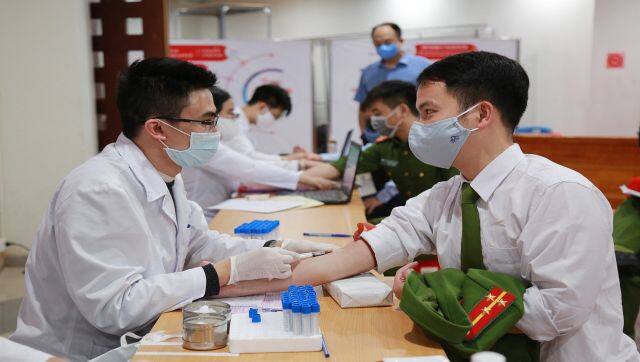
Bipolar disorder affects approximately one per cent of the population as many as 80 million people worldwide but for nearly 40 per cent of patients, it is misdiagnosed as major depressive disorder.
"People with bipolar disorder will experience periods of low mood and periods of very high mood or mania," said study first author Jakub Tomasik, from Cambridge's Department of Chemical Engineering and Biotechnology.
"But patients will often only see a doctor when they are experiencing low mood, which is why bipolar disorder frequently gets misdiagnosed as major depressive disorder," Tomasik said.
The most effective way to get an accurate diagnosis of bipolar disorder is a full psychiatric assessment. However, patients often face long waits to get these assessments, and they take time to carry out.
"Psychiatric assessments are highly effective, but the ability to diagnose bipolar disorder with a simple blood test could ensure that patients get the right treatment the first time and alleviate some of the pressures on medical professionals," said Tomasik.
Fast and effective
The researchers used samples and data from the Delta study, conducted in the UK between 2018 and 2020, to identify bipolar disorder in patients who had received a diagnosis of major depressive disorder within the previous five years and had current depressive symptoms.
More than 3,000 participants were recruited, and they each completed an online mental health assessment of more than 600 questions.
The assessment covered a range of topics that may be relevant to mental health disorders, including past or current depressive episodes, generalised anxiety, symptoms of mania, family history or substance abuse.
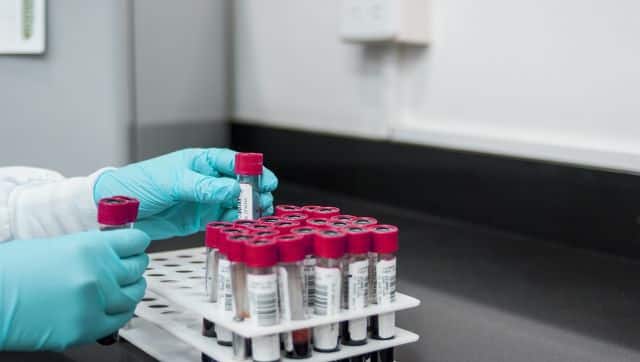
Of the participants who completed the online assessment, around 1,000 were selected to send in a dried blood sample from a simple finger prick, which the researchers analysed for more than 600 different metabolites using mass spectrometry.
After completing the Composite International Diagnostic Interview, a fully structured and validated diagnostic tool to establish mood disorder diagnoses, 241 participants were included in the study.
Analysis of the data showed a significant biomarker signal for bipolar disorder, even after accounting for confounding factors such as medication, the researchers said.
The biomarkers were correlated primarily with lifetime manic symptoms and were validated in a separate group of patients who received a new clinical diagnosis of major depressive disorder or bipolar disorder during the study's one-year follow-up period.
The researchers found that the combination of patient-reported information and the biomarker test significantly improved diagnostic outcomes for people with bipolar disorder, especially in those where the diagnosis was not obvious.
"The online assessment was more effective overall, but the biomarker test performs well and is much faster. A combination of both approaches would be ideal, as they are complementary," said Professor Sabine Bahn, who led the research.
"We found that some patients preferred the biomarker test, because it was an objective result that they could see," Tomasik added.
With inputs from PTI

Why has Bangladesh’s choice of India spokespersons raised eyebrows?
Who is Sandeep Lamba, the Delhi cop removed from protest site duty after slapping female protester?
Explorers discover wreckage of plane 72 years later. Will this help in finding MH370?
Cruise missiles, drones and more... The deadly arsenal of the Houthis
Why India may not witness a medal rush at 2026 Commonwealth Games