


US expected to rake in $30.5 billion from Fifa World Cup. Here’s why it won’t
We are just days away from the beginning of the Fifa World Cup. According to an analysis, the US is estimated to see an overall $30.5 billion windfall from hosting the tournament. However, low turnout, ticketing drama, and Donald Trump’s foreign policy are playing spoilsport

The clock is ticking down to the first kick-off of the Fifa World Cup 2026. As football fever grips the world, the host nations — the United States, Canada, and Mexico — are expecting a windfall of fans to catch a glimpse of their favourite teams.
This Fifa World Cup is larger than any other. Beginning on June 11, it will see 48 national teams competing across 16 host cities for the first time.
And with a huge tournament comes huge expectations. The host countries, especially the US, are hoping to cash in on the football mania. However, as the opening whistle of the first match draws closer, analysts are warning that the US economy may not witness an economic boom as they were promised.
 More from Explainers
Fifa hypes economic boom from World Cup
When Fifa awarded the 2026 World Cup to North America, the pitch was irresistible. In an analysis, the football body reported that the host nations would see economic and social gains from the tournament.
In a joint study with the World Trade Organisation (WTO), Fifa said the tournament would bring in $80 billion in gross economic impact, with $30.5 billion of this landing in America’s pocket. The report also noted that the tournament would generate up to $40.9 billion in additional global GDP. For the US alone, the GDP would rise by $17.2 billion.
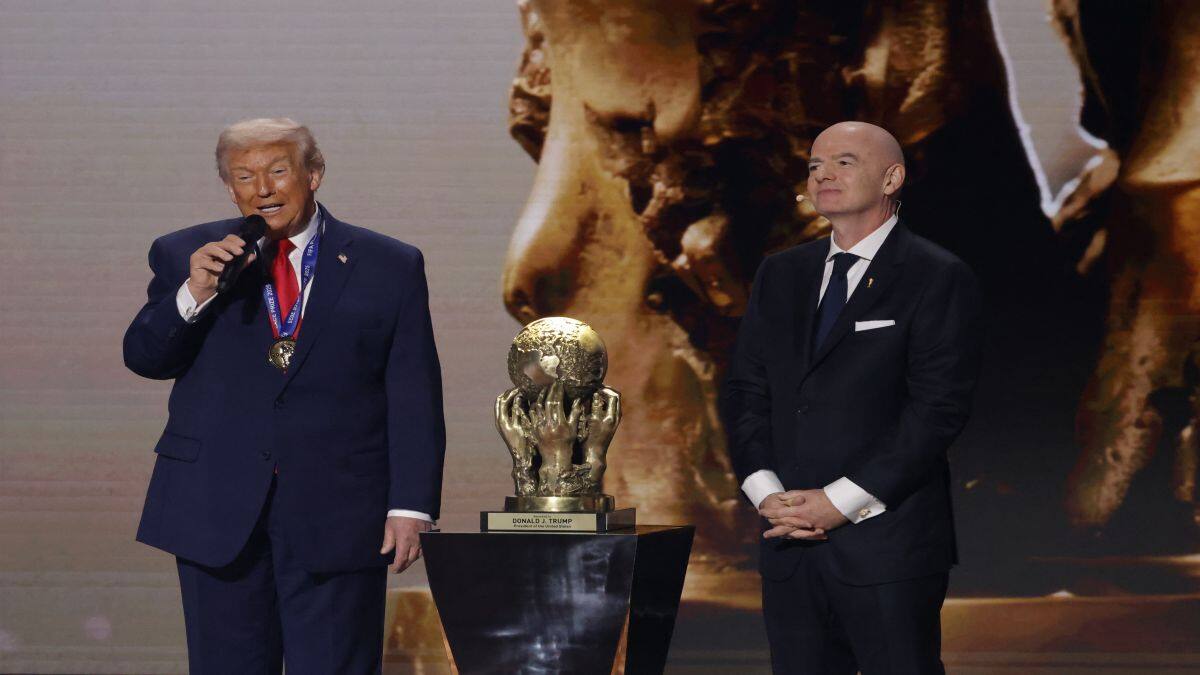
Moreover, the tournament estimated that roughly 824,000 jobs directly or indirectly linked to the event would be created, of which 185,000 would be in the US itself.
The report further revealed that tourism would bring in a further boom for the US. “The influx of visitors will likely generate billions of dollars in economic activity, benefiting the hospitality, transportation, and retail sectors. Host city hotels anticipate record occupancy, and local businesses will benefit from increased visitor traffic. The event will also enhance these cities’ global visibility, solidifying their status as top tourist destinations,” said the report.
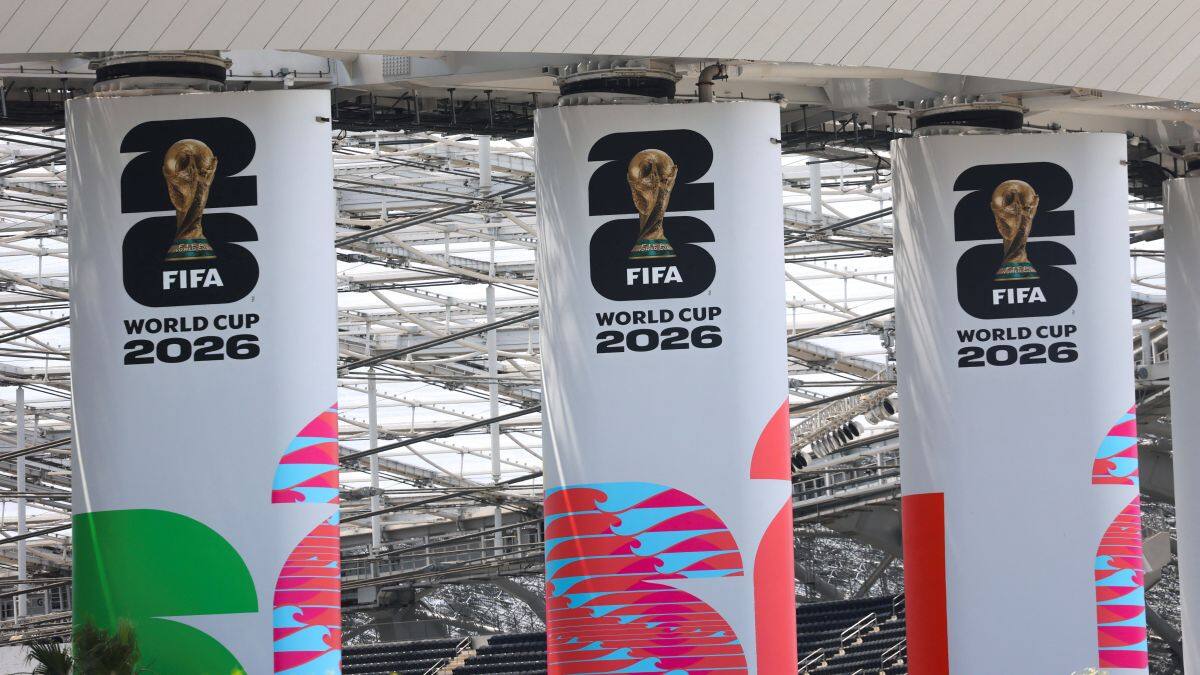
Meanwhile, the report further cited the expenses that the countries would incur for hosting the World Cup. The Fifa World Cup expenditure has been pegged at $13.9 billion. Of this, the United States expenditures account for $11.1 billion, including $2.9 billion for Fifa expenditure and $6.4 billion from anticipated tourist spending.
The numbers don’t add up
However, with days to go for the tournament to start, the Fifa numbers may not be achieved. But why?
First off, let’s examine the GDP figures. The GDP gain forecasted by Fifa would amount to a fraction of the vast output from the US economy. The anticipated benefit clocks in at less than 0.1 per cent of annual US GDP, Denmark-based Saxo Bank found in a report this week. “In other words, the 2026 World Cup is not a meaningful growth driver for the United States,” Saxo Bank said.
Mark Conrad, a professor of law and ethics at Fordham University’s business school and director of its sports business concentration, told Fortune, “You’re seeing a number of headwinds coming to what many thought was going to be a crowning and incredibly successful event.”

The first and foremost concern is attendance. The US war in Iran and the subsequent closing of the Strait of Hormuz have caused oil prices to increase, which in turn has led other commodities to become more expensive.
This has led many to reconsider spending on a luxury rather than on daily needs. And we can already see this impact. A majority of hotels in the 2026 World Cup’s 11 US host cities have reported underwhelming demand for stays during the tournament, according to new data released by the American Hotel and Lodging Association (AHLA).
The AHLA, which represents more than 30,000 properties nationwide, surveyed members in the host cities, and close to 80 per cent of respondents reported that bookings are “tracking below initial forecasts” for the World Cup, which runs from June 11 to July 19.
Tickets also don’t seem to be selling as predicted. And that could be because of the sky-high prices for the tournament. When asked why tickets are at their highest ever, Fifa President Gianni Infantino noted that it’s because they are adapting to the North American market.
Owing to this, attendance won’t be as it was predicted, and this will likely have notable effects on the event's economic output.
Additionally, according to Victor Matheson, a professor of sports economics at College of the Holy Cross, the Trump administration has made it difficult or inconvenient for foreigners to visit the US. Some of these policies include a sweeping travel ban that would prevent fans from qualifying teams such as Iran, Haiti, and the Democratic Republic of the Congo from attending games in the US.
And even those who aren’t banned are facing challenges. For instance, the price of the Electronic System for Travel Authorisation (ESTA) has doubled to $40 from $21 for many European visitors.
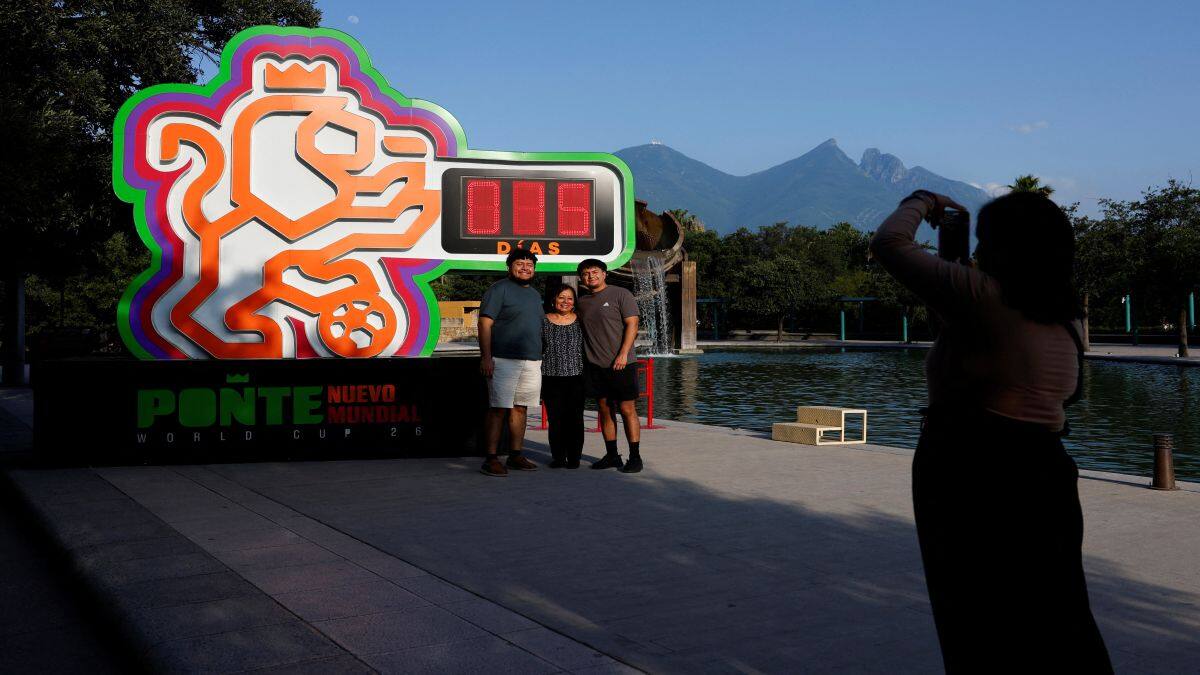
There is also the fact that many Europeans have soured on US President Donald Trump’s foreign policy; his war in Iran, his actions in Venezuela, and his threats to other nations as well have upset many fans across the globe. For instance, even before the West Asia conflict, 150,000 people in the Netherlands signed a petition in January calling for the Dutch national team to boycott the games over “aggressive US military intervention,” as Trump threatened to take over Greenland, which is a semi-autonomous territory of Denmark.
Economics of the World Cup and world economies
However, this isn’t a problem limited to this year’s World Cup. Dennis Coates, a professor of economics at the University of Maryland, told Newsweek that this comes as no surprise, as “economists have documented the lack of impact from hosting the World Cup for about two decades”.
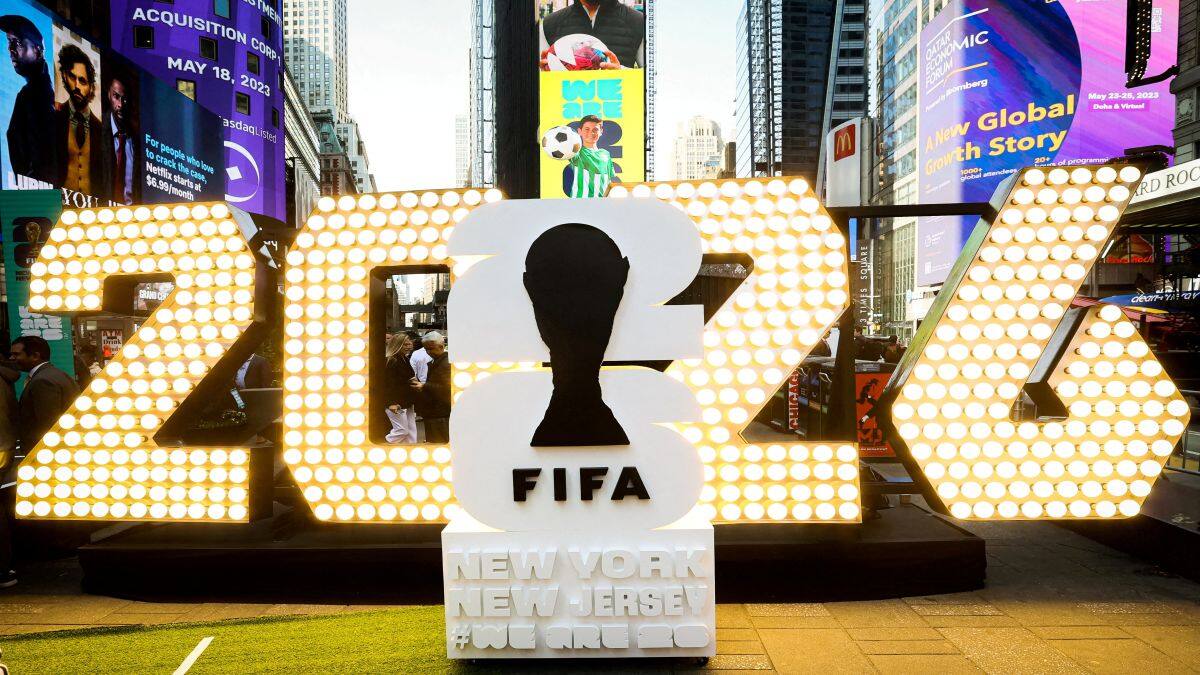
He told the news outlet, “Fifa gets the revenue, host countries get the bill.”
And studies seem to support this theory. In 2000, one study noted that the 1974 World Cup in Germany “was not able to generate any short to long-term employment effects”.
A 2003 paper went one step ahead and revealed that host countries experienced “cumulative losses” of billions of dollars rather than reaping economic reward.
It then seems that the biggest football show on Earth may not be what organisers claim it to be.
With inputs from agencies

Why has Bangladesh’s choice of India spokespersons raised eyebrows?
Who is Sandeep Lamba, the Delhi cop removed from protest site duty after slapping female protester?
Explorers discover wreckage of plane 72 years later. Will this help in finding MH370?
Cruise missiles, drones and more... The deadly arsenal of the Houthis
Why India may not witness a medal rush at 2026 Commonwealth Games