
Advertisement


Sections
Explained: Why PM Modi praised Mulayam Singh Yadav as ‘key soldier of democracy’ during Emergency
The Emergency, imposed by Indira Gandhi from 1975 to 1977, is one of the darkest periods of Indian democracy. Mulayam Singh Yadav, then an Opposition politician, was arrested and jailed for 19 months

The death of Mulayam Singh Yadav has seen an outpouring of tributes from leaders across the political spectrum with Prime Minister Narendra Modi calling the Samajwadi Party founder a ‘key soldier for democracy during Emergency’.The Emergency, imposed by Indira Gandhi from 25 June, 1975, to 21 March, 1977, is one of the darkest periods of Indian democracy.Modi tweeted:“Mulayam Singh Yadav Ji distinguished himself in UP and national politics. He was a key soldier for democracy during the Emergency. As defence minister, he worked for a stronger India. His parliamentary interventions were insightful and emphasised on furthering national interest."Union Home Minister Amit Shah said that Mulayam’s death marks the end of an era in Indian politics.“During the Emergency, he raised his voice for the restoration of democracy. He will always be remembered as a grassroots mass leader,” Shah tweeted.Karnataka chief minister Basavaraj Bommai called Mulayam “a true son of the soil, he was a leader of the masses” and noted that he comes from the political lineage of socialist leaders such as Ram Manohar Lohia and Raj Narain, and was also jailed during the Emergency in the 1970s.But what role did Mulayam play during dark days of the Emergency?Let’s take a closer look:In 1967, Mulayam entered the Uttar Pradesh Assembly for the first time from the Sanyukt Socialist Party of Ram Manohar Lohia (one of India’s most famed socialists) by winning a seat in Jaswantnagar. Mulayam, re-elected to that seat in 1974, then part of the Bharatiya Lok Dal, was one of the Opposition politicos arrested in 1975.[caption id="attachment_10100361" align="alignnone" width="640"]![Indira Gandhi]() File image of Indira Gandhi. Wikimedia Commons[/caption]He was in custody at Etawah jail for 19 months during the Emergency imposed by then prime minister Indira Gandhi.Mulayam was then appointed minister of state in 1977 when the Janta Dal came to power as the first non-Congress government and swept Indira away.Mulayam then became the state president of the Lok Dal. When the party split, he headed one faction of the state unit. Mulayam was leader of Opposition in the UP Legislative Council and then in the state Assembly, before becoming the chief minister in 1989 with the BJP extending outside support to his Janata Dal government.While he would go on to become defence minister, chief minister thrice (1989–91, 1993–95, and 2003–07), and briefly even appeared to have a shot at the prime minister’s post, Mulayam never forgot the time he spent in prison during the Emergency.As per Indian Express, Mulayam, in 2008, then the Uttar Pradesh chief minister, announced a monthly honorarium of Rs 500 to those from the state arrested and sent to jail during the Emergency.Mulayam added these individuals, around 1,200 in total, would now be treated at par with freedom fighters and known as ''democracy fighters'' (loktantra senani) in official communications.He added that they, along with one of their attendants, would be entitled for a free pass in the state buses.Mulayam passed away on Monday at a hospital in Gurugram after prolonged illness.“Mere adarniya pitaji aur sabke netaji nahi rahe – Akhilesh Yadav,” the SP tweeted from its Twitter handle.The 82-year-old was admitted to a hospital since August and was shifted to the Intensive Care Unit of the Gurugram-based Medanta Hospital on 2 October.Born on November 22, 1939 into a farming family in Saifai near Etawah in Uttar Pradesh, Mulayam spawned the state’s most prominent political clan.He was elected an MLA 10 times and an MP, mostly from Mainpuri and Azamgarh, seven times.
File image of Indira Gandhi. Wikimedia Commons[/caption]He was in custody at Etawah jail for 19 months during the Emergency imposed by then prime minister Indira Gandhi.Mulayam was then appointed minister of state in 1977 when the Janta Dal came to power as the first non-Congress government and swept Indira away.Mulayam then became the state president of the Lok Dal. When the party split, he headed one faction of the state unit. Mulayam was leader of Opposition in the UP Legislative Council and then in the state Assembly, before becoming the chief minister in 1989 with the BJP extending outside support to his Janata Dal government.While he would go on to become defence minister, chief minister thrice (1989–91, 1993–95, and 2003–07), and briefly even appeared to have a shot at the prime minister’s post, Mulayam never forgot the time he spent in prison during the Emergency.As per Indian Express, Mulayam, in 2008, then the Uttar Pradesh chief minister, announced a monthly honorarium of Rs 500 to those from the state arrested and sent to jail during the Emergency.Mulayam added these individuals, around 1,200 in total, would now be treated at par with freedom fighters and known as ''democracy fighters'' (loktantra senani) in official communications.He added that they, along with one of their attendants, would be entitled for a free pass in the state buses.Mulayam passed away on Monday at a hospital in Gurugram after prolonged illness.“Mere adarniya pitaji aur sabke netaji nahi rahe – Akhilesh Yadav,” the SP tweeted from its Twitter handle.The 82-year-old was admitted to a hospital since August and was shifted to the Intensive Care Unit of the Gurugram-based Medanta Hospital on 2 October.Born on November 22, 1939 into a farming family in Saifai near Etawah in Uttar Pradesh, Mulayam spawned the state’s most prominent political clan.He was elected an MLA 10 times and an MP, mostly from Mainpuri and Azamgarh, seven times.![Senior BJP leader LK Advani. ANI]() File image of BJP leader LK Advani. ANI[/caption]In 1990, his supporters claim, Mulayam was set to arrest LK Advani when the latter’s Rath Yatra entered Uttar Pradesh.However, Lalu Prasad Yadav upstaged him by arresting the BJP patriarch in Samastipur.Both Lalu and Mulayam emerged after the JP Movement of the veteran freedom fighter Jayaprakash Narayan in the 1970s and later built their careers as “socialist leaders”.Often referred to as a politician whose ears were always close to the ground, Mulayam's career had been strewn with promises of building and breaking ties nonetheless.He launched his career by openly siding with Chandra Shekhar against VP Singh. He then surprised everyone by forging an alliance with his party’s arch-rival BSP. But the path-breaking alliance soon broke up amid the “guesthouse incident”.While Mulayam remained critical of the BJP’s Hindutva politics, he sided with the saffron party at times. For example, Mulayam surprised everyone by supporting BJP in 2002 in its bid to make APJ Abdul Kalam the President of India.Last year, a photo of Mulayam with RSS chief Mohan Bhagwat at a function had created a flutter in political circles.His wife, Sadhana Gupta, passed away in July following a lung infection. Sadhana Gupta was Mulayam Singh Yadav’s second wife. His first wife Maalti Devi passed away in 2003. Maalti Devi was the mother of Akhilesh Yadav.With inputs from agenciesRead all the Latest News, Trending News, Cricket News, Bollywood News,India News and Entertainment News here. Follow us on Facebook, Twitter and Instagram.
File image of BJP leader LK Advani. ANI[/caption]In 1990, his supporters claim, Mulayam was set to arrest LK Advani when the latter’s Rath Yatra entered Uttar Pradesh.However, Lalu Prasad Yadav upstaged him by arresting the BJP patriarch in Samastipur.Both Lalu and Mulayam emerged after the JP Movement of the veteran freedom fighter Jayaprakash Narayan in the 1970s and later built their careers as “socialist leaders”.Often referred to as a politician whose ears were always close to the ground, Mulayam's career had been strewn with promises of building and breaking ties nonetheless.He launched his career by openly siding with Chandra Shekhar against VP Singh. He then surprised everyone by forging an alliance with his party’s arch-rival BSP. But the path-breaking alliance soon broke up amid the “guesthouse incident”.While Mulayam remained critical of the BJP’s Hindutva politics, he sided with the saffron party at times. For example, Mulayam surprised everyone by supporting BJP in 2002 in its bid to make APJ Abdul Kalam the President of India.Last year, a photo of Mulayam with RSS chief Mohan Bhagwat at a function had created a flutter in political circles.His wife, Sadhana Gupta, passed away in July following a lung infection. Sadhana Gupta was Mulayam Singh Yadav’s second wife. His first wife Maalti Devi passed away in 2003. Maalti Devi was the mother of Akhilesh Yadav.With inputs from agenciesRead all the Latest News, Trending News, Cricket News, Bollywood News,India News and Entertainment News here. Follow us on Facebook, Twitter and Instagram.
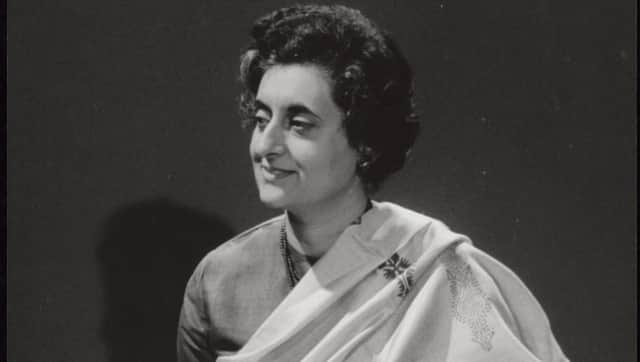 File image of Indira Gandhi. Wikimedia Commons[/caption]He was in custody at Etawah jail for 19 months during the Emergency imposed by then prime minister Indira Gandhi.Mulayam was then appointed minister of state in 1977 when the Janta Dal came to power as the first non-Congress government and swept Indira away.Mulayam then became the state president of the Lok Dal. When the party split, he headed one faction of the state unit. Mulayam was leader of Opposition in the UP Legislative Council and then in the state Assembly, before becoming the chief minister in 1989 with the BJP extending outside support to his Janata Dal government.While he would go on to become defence minister, chief minister thrice (1989–91, 1993–95, and 2003–07), and briefly even appeared to have a shot at the prime minister’s post, Mulayam never forgot the time he spent in prison during the Emergency.As per Indian Express, Mulayam, in 2008, then the Uttar Pradesh chief minister, announced a monthly honorarium of Rs 500 to those from the state arrested and sent to jail during the Emergency.Mulayam added these individuals, around 1,200 in total, would now be treated at par with freedom fighters and known as ''democracy fighters'' (loktantra senani) in official communications.He added that they, along with one of their attendants, would be entitled for a free pass in the state buses.Mulayam passed away on Monday at a hospital in Gurugram after prolonged illness.“Mere adarniya pitaji aur sabke netaji nahi rahe – Akhilesh Yadav,” the SP tweeted from its Twitter handle.The 82-year-old was admitted to a hospital since August and was shifted to the Intensive Care Unit of the Gurugram-based Medanta Hospital on 2 October.Born on November 22, 1939 into a farming family in Saifai near Etawah in Uttar Pradesh, Mulayam spawned the state’s most prominent political clan.He was elected an MLA 10 times and an MP, mostly from Mainpuri and Azamgarh, seven times.
His was the story of a politician who almost became the Prime Minister of India.In 1996, when the United Front was poised to form the government, Mulayam's name was floated to lead the alliance. It was opposed by leaders, including Lalu Prasad Yadav. He again saw an opportunity in 2014 but the election results dampened the possibility forever.People close to him said that the Samajwadi patriarch nursed a grievance that he could not become the Prime Minister of India despite being the chief minister of the most-populous state three times.His career began when he was elected an MLA in 1967 at the age of 28.He founded the Samajwadi Party on 4 October, 1992, and soon turned it into a regional party based in Uttar Pradesh.His son Akhilesh Yadav took over the reins of the party later and is now its president.[caption id="attachment_8637421" align="alignnone" width="640"]
 File image of BJP leader LK Advani. ANI[/caption]In 1990, his supporters claim, Mulayam was set to arrest LK Advani when the latter’s Rath Yatra entered Uttar Pradesh.However, Lalu Prasad Yadav upstaged him by arresting the BJP patriarch in Samastipur.Both Lalu and Mulayam emerged after the JP Movement of the veteran freedom fighter Jayaprakash Narayan in the 1970s and later built their careers as “socialist leaders”.Often referred to as a politician whose ears were always close to the ground, Mulayam's career had been strewn with promises of building and breaking ties nonetheless.He launched his career by openly siding with Chandra Shekhar against VP Singh. He then surprised everyone by forging an alliance with his party’s arch-rival BSP. But the path-breaking alliance soon broke up amid the “guesthouse incident”.While Mulayam remained critical of the BJP’s Hindutva politics, he sided with the saffron party at times. For example, Mulayam surprised everyone by supporting BJP in 2002 in its bid to make APJ Abdul Kalam the President of India.Last year, a photo of Mulayam with RSS chief Mohan Bhagwat at a function had created a flutter in political circles.His wife, Sadhana Gupta, passed away in July following a lung infection. Sadhana Gupta was Mulayam Singh Yadav’s second wife. His first wife Maalti Devi passed away in 2003. Maalti Devi was the mother of Akhilesh Yadav.With inputs from agenciesRead all the Latest News, Trending News, Cricket News, Bollywood News,India News and Entertainment News here. Follow us on Facebook, Twitter and Instagram.
First Published:Oct 10, 2022, 14:44:27 IST
Advertisement
Advertisement

Why India may not witness a medal rush at 2026 Commonwealth Games
A 125-strong Indian contingent is in Glasgow for the 2026 Commonwealth Games, starting today (July 23), chasing international glory. However, with a roster of sports such as badminton and wrestling being cut from the event, the country’s medal chances have been drastically reduced
4 min read
Delhi Police asks personnel to wear uniform: What the law says on cops in plainclothes during protests
The Delhi Police has instructed all its personnel to wear uniforms when they report for duty at Jantar Mantar for crowd control. This comes after outrage grew over videos of men in civilian clothes or without name tags hitting protesters in the Capital. Is it legal for the police to ditch uniforms during protests?
4 min read
Military drones & police check-ups: How Sri Lanka is fighting against worst dengue outbreak in a decade
Sri Lanka is fighting its most severe dengue outbreak in nearly a decade, with infections rising sharply across the nation. Military drones have been deployed to tackle the outbreak, which has claimed 56 lives. Health officials said the outbreak is being driven primarily by the DENV-2 variant of the virus
3 min read
How Facebook job ad lured 2 Karnataka men into Myanmar cyber scam camp
The Karnataka Cyber Command has rescued two youths from a scam compound in Myanmar operated by Chinese fraudsters. The duo from Karnataka were lured on the pretext of data-entry jobs. They were asked to work for 16 hours a day and were expected to sleep for six hours daily
4 min read
Why is India seeing 95% cloud cover despite a Super El Niño?
India is witnessing nearly 95 per cent cloud cover despite a Super El Niño, a climate event usually linked to weaker monsoons. Regional weather systems, cyclonic circulations, the monsoon trough and moisture from two seas are temporarily overpowering one of the world's strongest climate phenomena
5 min read
Advertisement
Advertisement