


Inside the world of ‘digital parents’ who care for young Chinese looking for solace
Many young Chinese are unable to connect with their parents, feeling stressed and lonely. They have now resorted to ‘digital parents’, online parenting influencers, who help provide the youth with the intimacy they crave

Today, we live in a world where people are tying the knot with AI-created avatars and seeking companionship from AI chatbots. Similarly, a new trend has emerged in China of ‘digital parents’, wherein individuals seek validation or parental advice from a pair of parenting influencers.
In fact, there’s been a boom of such parenting influencers across China, who have become an alternative source of familial affection.
Here’s what we know about these ‘digital parents’ and the reasons for their growing popularity in China.
What are ‘digital parents’ that many Chinese are turning to?
After a gruelling day at school, Fan Xiaotong, a middle school student from Shanghai, pulls out her phone and sends a message to her mom and dad. While this may seem ordinary, the people she is contacting aren’t her biological parents.
 More from Explainers
In fact, Fan doesn’t even know their real names. They are a pair of parenting influencers that she follows on China’s version of TikTok, Douyin.
There’s also a Douyin account @Henverfenxiangrichang, which translates to “sharing daily life with daughter”. The account features a range of videos of a smiling, middle-aged couple sharing their daily activities and telling their followers – whom they affectionately address as “daughters and sons”– to not worry and stay happy and healthy.
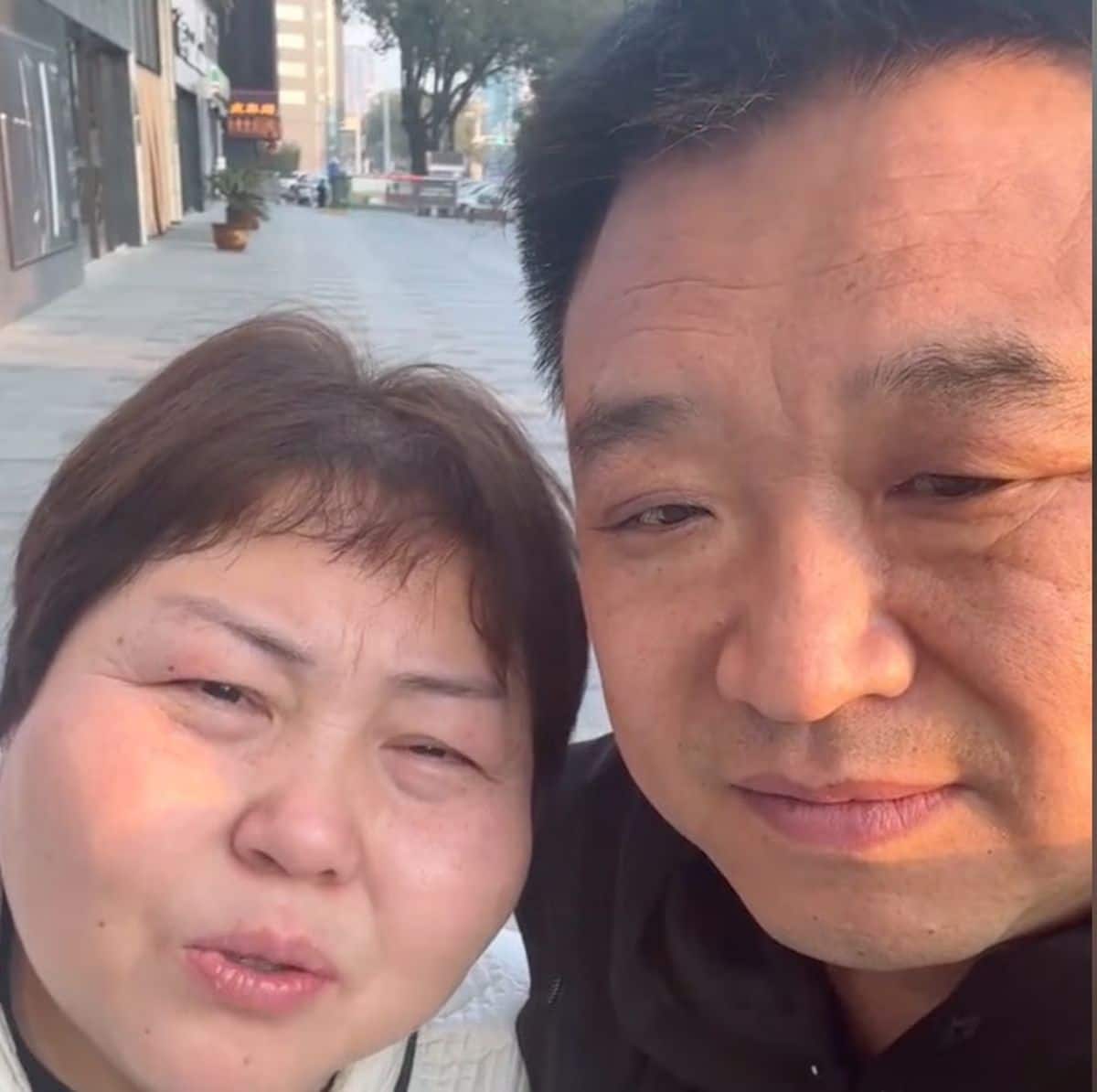
Jiang Xiuping, 48, and her husband, 50-year-old Pan Huqian, who have become the most famous ‘digital parents’ in China, didn’t even intend to become creators. Before their online fame, the couple worked as wedding planners in Hanzhong. And their fame came by accident. It all began when their daughter, an influencer who sells women’s clothes on Douyin, once invited Pan to appear in her livestream as a guest in late 2023. As more followers commented on how much they envied the close-knit family, Pan had the idea to act as though he and Jiang were their fictional parents.
Now, the couple speaks directly into the camera, addressing the viewers as if they were their children. “We don’t write any scripts,” Pan told the Rest of World. “We are simply recreating how we brought up our own daughter.”
There’s also a Xiaohongshu account, @Xiaolinmama, who teaches housework and calls herself “mum”. Another well-known “digital father” is the Xiaohongshu account, @Shiyueershiqiri. It claims to be a middle-aged single father of a secondary school girl, and posts many details of how he respected his daughter’s habits and life choices, moving many online.
So, what do these ‘digital parents’ do?
These ‘digital parents’, such as Jiang and Pan, share their daily activities on social media and offer comforting messages to their followers, whom they call “daughters and sons”. The videos simulate parental support, with encouraging talks, surprise gifts, and pretend money transfers, attracting many to follow and interact in the comments.
For instance, in one video, Jiang and Pan ask their followers, “Are you tired from work and study lately? Don’t push yourself too hard. Mum and Dad know that you have endured a lot.”
In some cases, the followers turn to these parenting influencers, asking for specific things that their own parents may not have done. For example, visit them in the hospital or even fly a kite together.
Other such digital parents have also taken on roles such as cooking for viewers, taking them to supermarkets, and picking them up from school, with follower numbers ranging from a few thousand to hundreds of thousands.
Wu, a 43-year-old mother of two sons who has acquired over 70,000 followers on the lifestyle app Xiaohongshu as a digital parent, recounts some of the ways she helps her ‘children’. She notes that many of them complain about mental health struggles and distressing family situations.
“The emergence of ‘digital parents’ is a very sad thing for society, since people only resort to a parent in the cyber world when their real parents are not fulfilling their roles,” Wu was quoted as telling Sixth Tone.
Why are Chinese youth seeking help from ‘digital parents’?
There are a number of reasons why the trend of ‘digital parents’ or even ‘virtual parents’ has exploded in China.
Thirty-three-year-old Vincent, who has a set of digital parents, told the BBC that he often feels pressured when speaking to his biological parents. “My parents are never the ones who tell me not to drive myself too hard or that I am already good enough. But virtual parents will ask me whether I am happy today.”
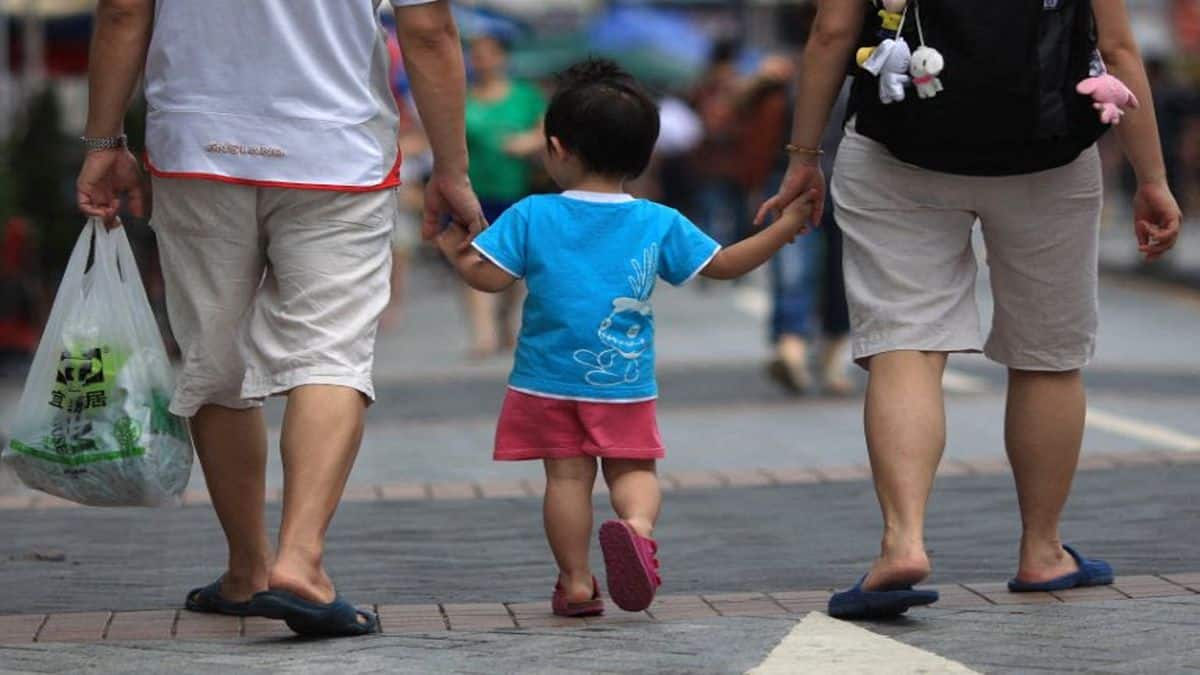
He notes that speaking to Jiang and Pan helps relieve the pressure he feels. “From the moment the phone call begins, all my actions and choices are wrong, and something to be corrected by them,” he tells the BBC, adding that virtual parents provide a supportive space where he can reflect on his happiness.
Another user notes that her parents are always pushing her to study hard, find a stable job, and look for a wealthy husband. “However, I feel heartened when I watched those videos,” she told Rest of the World.
Other young Chinese also note that digital parents are a new path to obtain the emotional support they don’t get in reality.
Yu Zehao, a psychotherapist based in the central Chinese city of Wuhan, told Sixth Tone that digital parents are on the rise because they fill a common hole in many children’s emotional lives. While many Chinese parents often focus on teaching their children discipline, digital parents offer affirmation and emotional support. “We are disciplined to be an individual fitting into what society demands, like a cog in a machine,” Yu said. “This similarly affects the concept of parenting, as parents believe that if their children don’t comply with certain rules, they may be miserable in the future.”
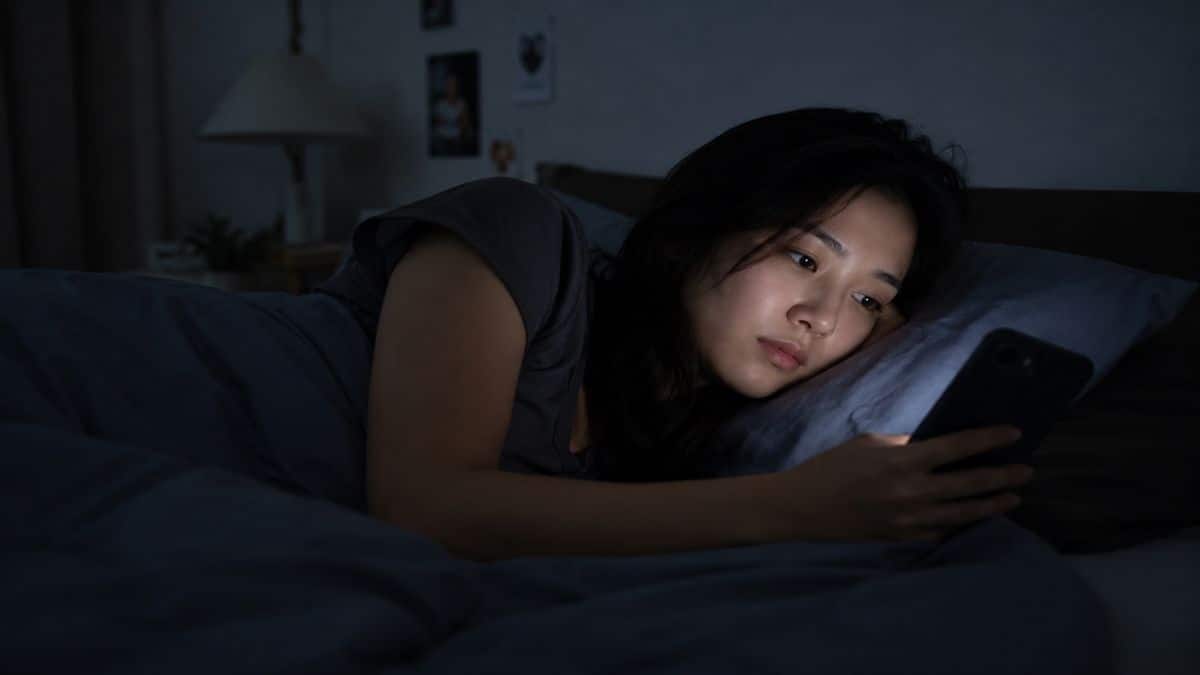
The competitiveness in China has also driven young Chinese individuals to seek solace in ‘digital parents’. Kailing Xie, an assistant professor in international development at the University of Birmingham, told Rest of the World, “It’s very difficult for people to get the emotional support they need, so people turn to digital platforms. It is part of the human longing for intimacy within a hyper-individualised, hyper-competitive society.”
There’s also the fact that hundreds of children in China are brought up by their grandparents, as parents move to the cities for work. Traditionally, grandparents are stricter in China as they belong to another generation. Moreover, they have older mindsets where discrimination against a girl child is prevalent.
Psychologist Yu also sounded an alarm over the rise of ‘digital parents’ in China, noting that this could undermine one’s sense of reality. “It’s like a meal replacement kit,” Yu was quoted as telling Sixth Tone. “They can help us when we’re on a diet and transitioning to a healthier lifestyle, but they shouldn’t replace regular meals in the long run — they’re not nutritious enough.”
But young Chinese don’t seem to be worried. They see nothing wrong in seeking comfort from ‘digital parents’, with one user even noting, “If I become a parent one day, I want to be just like them.”
With inputs from agencies
Tags

Delhi Police asks personnel to wear uniform: What the law says on cops in plainclothes during protests
Military drones & police check-ups: How Sri Lanka is fighting against worst dengue outbreak in a decade
How Facebook job ad lured 2 Karnataka men into Myanmar cyber scam camp
Why is India seeing 95% cloud cover despite a Super El Niño?
What is CJP’s fourth demand to the government as protests in Delhi intensify?