


AI of the Tiger: How AI-enabled cameras will help protect tigers
According to research, the camera system called TrailGuard can distinguish between tigers and other species and relay images to park rangers or villagers within seconds. These cameras are currently undergoing testing in the Kanha-Pench corridor of Madhya Pradesh

Researchers in Gabon are using AI to sift their camera trap images and are now trying a warning system for elephants.Teams in the Amazon are piloting equipment that can detect the sounds of chainsaws, tractors and other machinery associated with deforestation.And US tech titan Google teamed up with researchers and NGOs four years ago to collect millions of images from camera traps.The project, called Wildlife Insights, automates the process of identifying species and labelling images, saving many hours of laborious work for researchers.Conservationists like Dinerstein, who also leads the tech team at the Resolve NGO, are sure that technology is helping their cause.'Early warning system'Their goal is to ensure that 30 per cent of the Earth's land and oceans are designated protected zones by 2030, as agreed by dozens of governments last year, with that number eventually going up to 50 per cent.[caption id="attachment_13205702" align="alignnone" width="640"]
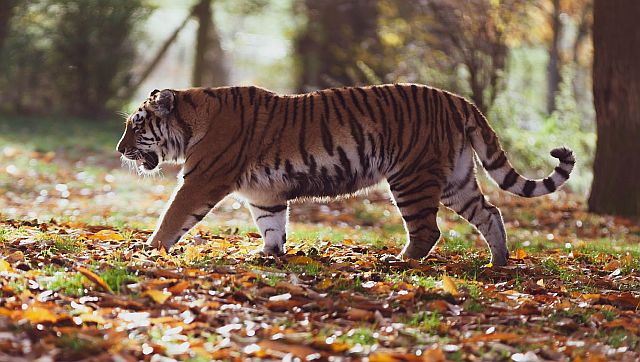
Researchers claim their system was the first AI camera to identify and transmit a picture of a tiger, and it has almost wiped out false alarms — when traps are tripped by passing boars or falling leaves. Pixabay[/caption]Those zones will need to be monitored, and animals will need to move safely between protected areas."That's what we're shooting for, and the critical element of that is an early warning system," he said.The plight of tigers underscores the size of the challenge.Their habitats have been devastated across Asia and their numbers in India fell to an all-time low of 1,411 in 2006, before steadily rising to current levels of around 3,500.In the mid-20th century, India was home to an estimated 40,000.'Jury still out'Jonathan Palmer, head of conservation technology at the US-based Wildlife Conservation Society (WCS), who was not involved in the study, said TrailGuard had exciting potential.But Palmer, who helped found Wildlife Insights with Google, said the broader uses of AI in conservation were not yet settled.
"In most cases, AI species identification is still in its infancy," he said.His NGO recommends outside verification of any species identification done by AI.And Palmer said the "jury was out" on whether AI was better deployed in cameras at the scene or afterwards on servers or laptops.Those uncertainties aside, Dinerstein is widening the rollout of TrailGuard — this time with even bigger animals in his sights."Elephants wander outside parks all the time and it leads to a massive amount of conflict," he said.They destroy crops, cause chaos in villages and can even cause train crashes, with dozens of deaths every year, he added."There's an immense opportunity here to prevent that."With inputs from AFP

Delhi Police asks personnel to wear uniform: What the law says on cops in plainclothes during protests
Military drones & police check-ups: How Sri Lanka is fighting against worst dengue outbreak in a decade
How Facebook job ad lured 2 Karnataka men into Myanmar cyber scam camp
Why is India seeing 95% cloud cover despite a Super El Niño?
What is CJP’s fourth demand to the government as protests in Delhi intensify?