



Govt makes localisation of auto components in e-vehicles mandatory for subsidy benefits, issues draft norms
In January this year, state-owned BHEL had announced that the firm would set up a network of solar-based e-vehicle chargers (SEVC) on the Delhi-Chandigarh highway.

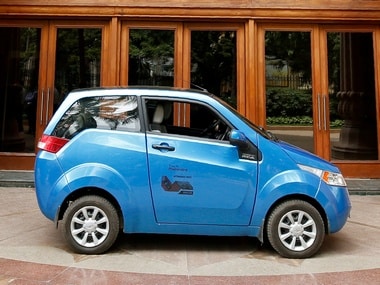
Representational image. Reuters[/caption]FAME, which was introduced on 1 April 2015, entered its second phase (FAME-2) in April 2019.The main objective of the scheme is to encourage faster adoption of electric and hybrid vehicles by way of offering an upfront incentive on the purchase of electric vehicles and also by way of establishing necessary charging infrastructure for EV, Jaitley had said.The emphasis will be on electrification of public transport that includes shared transport, demand incentives on operational expenditure mode for electric buses will be delivered through state/city transport corporations (STUs), the statement said.In three-wheeler and four-wheeler segments, incentives will be applicable mainly on vehicles used for public transport or registered commercial purposes, it said.In the two-wheeler segment, the focus will be on private vehicles.In January this year, state-owned Bharat Heavy Electricals Ltd (BHEL) had announced that the firm would set up a network of solar-based e-vehicle chargers (SEVC) on the Delhi-Chandigarh highway, according to a PTI report."The establishment of EV chargers at regular intervals over the entire 250 km stretch between Delhi and Chandigarh would allay range-anxiety among the e-vehicle users and bolster their confidence for inter-city travel," the company said.BHEL said it will design, engineer, manufacture, supply and install the EV charging stations along with a central monitoring system.In January this year, Bajaj Auto had said that it was planning to make a foray into EV in 2020, simultaneously with the migration of its conventional engine vehicles to BS-VI emission norms, reported PTI quoting company's managing director Rajiv Bajaj.The company plans to launch the electric version of its quadricycle Qute along with electric three-wheelers next year, even as it gears up to introduce the conventional engine version of the quadricycle around March after much delay. It is also working on an electric scooter.In December last year, the government drafted a new plan to impose a levy of Rs 12,000 on purchase of new petrol and diesel cars in a bid to incentivise the use of EVs and manufacture of batteries.The NITI Aayog, the government’s apex policy think tank, has proposed incentives ranging from Rs 25,000-50,000 in the first year for those customers buying electric two-wheelers, three-wheelers and cars, government officials said.In September 2018, the government decided to exempt EVs and automobiles run on alternative fuel from permit requirements in a bid to boost such vehicles in the country, reported PTI.Urging automakers to focus in this direction, Union minister Nitin Gadkari said that demand for EVs could also be created by mandating cab aggregators like Ola and Uber to induct a certain percentage of such vehicles in their fleet.— With PTI inputs

India remains among fastest-growing major economies despite global uncertainty, says RBI Bulletin
Iran war could cut global growth by more than half: World Bank’s chief economist Indermit Gill
Brent crude climbs to $94 as analysts expect oil prices to stay in $90–100 range
UK inflation cools further to 2.6% in June as transport and food prices ease
India's gem and jewellery exports jump 26.5% in June on stronger global demand